



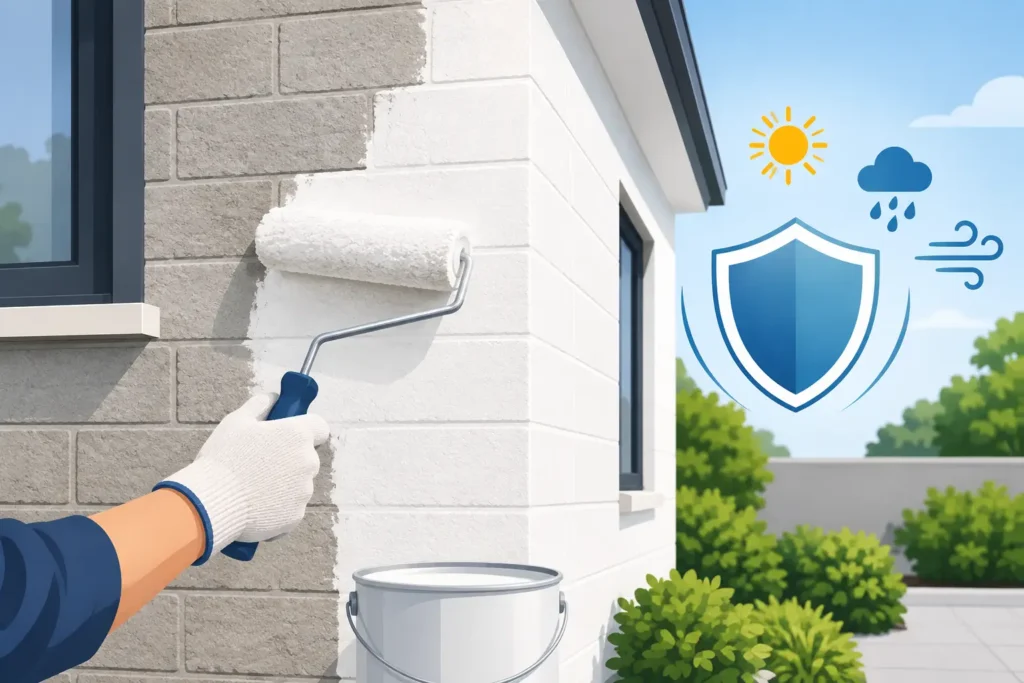
A fresh coat of paint can make a condo unit rent faster, give a storefront a more credible appearance, or protect an exterior from another hard Toronto winter. But the result depends heavily on who performs the work. When weighing a painting company versus handyman, the real question is not simply who can hold a brush. It is who has the right process, crew, equipment, insurance, and experience for the condition and scale of your property.
A handyman can be a sensible choice for a very small, low-risk touch-up. For full rooms, occupied commercial spaces, exterior work, damaged drywall, specialty coatings, or multi-unit properties, a professional painting contractor is usually the stronger investment. The difference shows up in the preparation, finish quality, scheduling, cleanup, and long-term durability of the job.
Painting Company Versus Handyman: The Core Difference
A handyman is generally a generalist. They may handle minor repairs, fixture installation, caulking, small patches, and simple painting as part of a broader list of property maintenance tasks. That flexibility is valuable when you have several small jobs that can be completed in one visit.
A painting company is built around surface preparation and coating application. Its work is not limited to putting color on a wall. Professional painters assess the substrate, repair imperfections, protect surrounding surfaces, select appropriate primers and coatings, and apply products for a consistent finish. On larger projects, they also coordinate labor, access, material quantities, safety requirements, and project timing.
That specialization matters because paint exposes shortcuts. A wall that is poorly patched, inadequately sanded, or painted without the right primer may look acceptable on day one. Once light hits it at an angle, or the surface begins to chip and peel, the difference becomes clear.
When a Handyman May Be the Right Choice
There are situations where hiring a handyman makes practical sense. If you need a few nail holes filled, one small wall touched up with matching paint, or a minor repair completed alongside other maintenance items, a qualified handyman may be efficient and cost-effective.
The key is keeping expectations proportional to the scope. A small touch-up does not usually require extensive masking, spray equipment, a multi-person crew, or a detailed production schedule. If the existing paint is in good condition and you already have the correct product and color, the job may be straightforward.
A handyman may also be a reasonable fit when appearance is not a major concern, such as a utility room, temporary turnover repair, or a small non-public area. Even then, ask what preparation is included. A low hourly rate can lose its advantage if the work needs to be corrected shortly afterward.
When a Painting Company Is the Better Investment
Professional painters are the better fit when the finish affects property value, tenant satisfaction, customer perception, or the lifespan of the surface. This includes most interior repaints, exterior painting, cabinet refinishing, trim and door painting, drywall repair, and any project involving multiple rooms or occupied spaces.
For homeowners, the value is often in the details: clean cut lines, smooth walls, properly finished ceilings, protected floors, and trim that looks crisp rather than rushed. Professional preparation also reduces common problems such as flashing, roller marks, paint splatter, bubbling, and early peeling.
For business owners and facility managers, the operational side is just as important. An office, retail location, warehouse, or condominium common area may need work completed around staff, customers, tenants, deliveries, or scheduled access. A painting contractor can plan the sequence of work, assign enough painters to meet a deadline, and keep the site clean and organized while the project moves forward.
JXF Painting Service handles projects ranging from residential refreshes to commercial, industrial, and condo painting throughout Toronto and the GTA. That broader capability is useful when a property has more than one issue to solve, such as drywall repairs before repainting, stairwell upgrades, specialty coatings, or large areas that need coordinated scheduling.
Preparation Is Where the Finish Is Won or Lost
Most painting failures start before the first coat is applied. Dust, grease, loose paint, water stains, cracks, and damaged drywall all affect adhesion and appearance. A professional painting crew treats preparation as part of the job, not an optional extra.
Depending on the surface, proper preparation may include washing, scraping, sanding, patching, caulking, spot priming, stain blocking, and masking. Exterior surfaces may require more extensive work due to weather exposure, failing caulk, wood deterioration, rust, or old coatings that are no longer bonding properly.
A handyman can certainly perform some of these tasks. The difference is consistency and depth of experience. Painters perform surface prep every day and understand what each coating system requires. They are more likely to recognize when a simple repaint is not enough and when repairs, primer, or a different product should be used first.
Compare the Quote, Not Just the Hourly Rate
Price matters, but comparing a handyman’s hourly charge to a painting company’s project quote can be misleading. A professional painting quote should define the scope: which surfaces will be painted, how many coats are included, what prep work is covered, which materials are being used, and how the area will be protected and cleaned.
A lower estimate may exclude important work. For example, it may not include drywall repairs, stain-blocking primer, ceiling painting, trim preparation, furniture moving, disposal, or final touch-ups. Those omissions can create added costs, delays, and disagreements once the project has started.
Ask each contractor the same practical questions. Will cracks and holes be repaired? Is primer included where needed? How many finish coats will be applied? Who supplies the paint? What protection will be used for floors, landscaping, furniture, and adjacent surfaces? How will cleanup and final inspection be handled?
The best value is not always the lowest number. It is the quote that accurately covers the work required to deliver a durable, clean result without surprises.
Insurance, Safety, and Accountability Matter
For small indoor touch-ups, risk may be limited. Once ladders, exterior elevations, commercial sites, spray equipment, or multiple workers are involved, insurance and safety procedures become much more significant.
A reputable painting company should be licensed, bonded, and insured. This protects the property owner if damage or an on-site incident occurs. It also signals that the contractor operates as an established business with systems for managing projects and standing behind its work.
This is especially relevant for condo boards, landlords, and commercial property managers. They may need proof of insurance before work begins, along with clear communication about access, work hours, resident notices, and site protection. A solo handyman may be capable, but may not have the documentation, labor capacity, or operational structure required for a managed property.
Crew Size and Scheduling Change the Outcome
A handyman working alone may take several days to complete a project that a professional crew can finish efficiently. That is not necessarily a problem for an empty guest room. It can be a serious issue for a retail store, office, rental turnover, or active family home where disruption needs to be limited.
Painting companies can scale the crew to the job. More painters, when properly managed, can shorten turnaround time without sacrificing preparation or finish quality. They can also phase work by room, floor, unit, or department so the property remains usable.
For commercial and industrial projects, this ability to plan around operations is a major advantage. A warehouse may require durable coatings and work completed away from active loading areas. An office may need evening or weekend painting. An underground parking garage may require traffic coordination, ventilation planning, and coatings suited to heavy use. These are not one-person touch-up jobs.
Specialty Surfaces Need Specialized Experience
Not every surface should be treated like standard drywall. Cabinets, stucco, metal doors, concrete floors, roofs, fences, decks, popcorn ceilings, and industrial walls all require different preparation and products.
Cabinet painting, for example, depends on cleaning, sanding, primer selection, controlled application, and cure time. Epoxy floor coatings require careful concrete preparation and moisture awareness. Exterior stucco needs coatings that can handle movement and weather exposure. Using the wrong product or skipping preparation can create expensive failures.
If the work involves a specialty surface, ask for direct experience with that type of project. A professional painting contractor will be able to explain the coating system, preparation steps, expected appearance, and limitations before the work begins.
How to Make the Right Hiring Decision
Choose a handyman when the work is truly minor, the surface is already sound, and a basic touch-up meets your expectations. Choose a painting company when quality, speed, protection, durability, and accountability matter – particularly for visible spaces, larger areas, damaged surfaces, exterior work, or commercial properties.
Before approving any job, walk the space with the contractor and discuss the condition of the surfaces, the desired finish, the timeline, and the areas that need protection. A clear scope creates a better result and a smoother project from start to finish.
Paint is one of the most visible improvements you can make to a property. Hire for the level of finish your space deserves, not simply for the shortest estimate or the first available person with a brush.