

A faded entry wall, chipped fitting-room trim, or stained checkout area can change a customer’s impression before your staff has a chance to help them. Retail store repainting is not simply a cosmetic upgrade. It is a practical maintenance project that protects your brand presentation, supports a cleaner shopping environment, and helps your space look cared for from the sidewalk to the sales floor.
For store owners, landlords, and facility managers, the challenge is getting the work done without interrupting business. The right painting contractor plans around operating hours, prepares surfaces correctly, protects merchandise and fixtures, and leaves the site clean enough to reopen with confidence.
When a Retail Store Needs Repainting
Retail interiors take more abuse than most commercial spaces. Shopping carts, displays, delivery boxes, staff traffic, cleaning products, and customer contact all leave their mark. High-touch areas around doors, cash wraps, washrooms, fitting rooms, stockroom entrances, and seating zones usually show wear first.
Exterior surfaces matter just as much. Peeling trim, fading signage backgrounds, damaged storefront columns, and weathered entrances can make a well-run business appear neglected. In a competitive retail area, curb appeal affects whether people decide to walk in.
A repaint is often appropriate when touch-ups no longer blend into the existing finish, when scuffs return quickly after cleaning, or when the store has changed its branding, layout, or tenant use. It may also be required before a lease turnover, grand opening, renovation, or property inspection.
Waiting too long can increase the scope of work. Minor drywall damage, water staining, loose caulking, and peeling coatings are easier and less expensive to correct before they spread across walls, ceilings, trim, or exterior surfaces.
Retail Store Repainting Starts With the Right Scope
A reliable project begins with an on-site assessment, not a guess based on square footage alone. Retail spaces have different surfaces, traffic levels, access restrictions, and finish requirements. A sales floor with white walls needs a different approach than a warehouse-style retail unit, a salon, a grocery store, or a mall storefront.
The scope should identify the surfaces being painted, necessary repairs, desired colors and sheens, access requirements, and the hours available for work. It should also address what needs protection, including shelving, POS equipment, displays, flooring, glass, inventory, and signage.
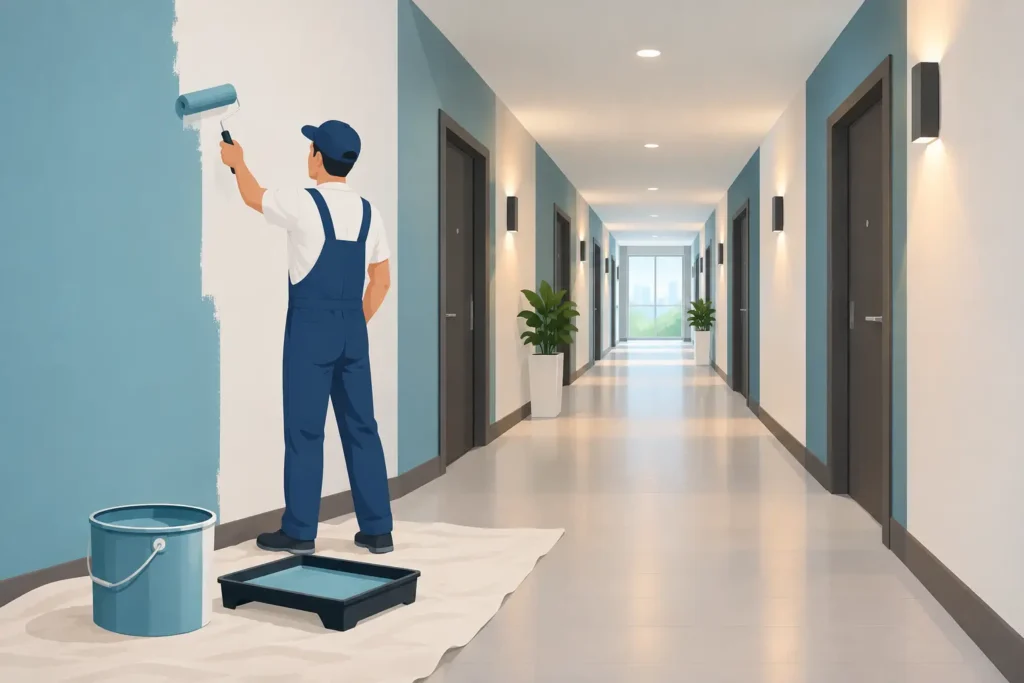
For occupied stores, sequence matters. A crew may complete stockrooms, offices, washrooms, and back corridors first, then move through public areas in sections. This lets the business keep more of the store accessible while the work progresses.
Surface Preparation Determines the Result
Paint cannot hide every problem, and applying fresh coatings over poor surfaces leads to early failure. Proper preparation may include washing, degreasing, sanding glossy finishes, scraping loose paint, filling holes, repairing drywall, caulking gaps, and spot-priming stains or repaired areas.
Preparation is especially important near entrances and in food, beauty, fitness, and service retail environments where walls can collect oils, fingerprints, moisture, or cleaning residue. The correct primer and coating system helps the new finish bond properly and stand up to regular maintenance.
Choosing Paint for Traffic, Not Just Color
Color selection should reflect your brand, lighting, merchandise, and the condition of the space. Light colors can make a compact shop feel more open, while darker accent walls can direct attention toward displays or feature products. But color is only one part of the decision.
Sheen and coating quality affect cleanability and durability. Flat paint can hide minor wall imperfections but may be harder to wash in high-contact areas. Eggshell or satin finishes are often practical for retail walls because they offer a more washable surface without excessive shine. Semi-gloss coatings are commonly used on doors, trim, and other areas that receive frequent cleaning.
There is no single best finish for every store. A premium boutique may prioritize a softer, refined appearance, while a busy convenience or discount retail location may need maximum washability and abrasion resistance. A professional recommendation should account for how the store actually operates.
How to Keep the Store Open During Painting
The biggest concern for many retailers is downtime. Closing for several days can mean lost revenue, missed appointments, and inconvenience for regular customers. In many cases, retail painting can be scheduled around your business instead of forcing a full shutdown.
After-hours, overnight, and weekend work can reduce disruption in customer-facing areas. Early planning is essential because crews need enough time for preparation, painting, drying, cleanup, and safe reopening. Fast-drying coatings can help, but they do not replace proper cure time or careful ventilation.
A good operational plan includes clear work zones, safe walkways, covered fixtures, dust control, and daily cleanup. Merchandise may need to be moved away from walls or temporarily consolidated, but an experienced commercial painting crew should minimize the burden on your staff.
For larger projects, phased work is usually the smart choice. One section can be completed and returned to use before the crew moves to the next. This approach takes coordination, but it helps protect sales and keeps the project organized.
Don’t Overlook the Exterior and Back-of-House Areas
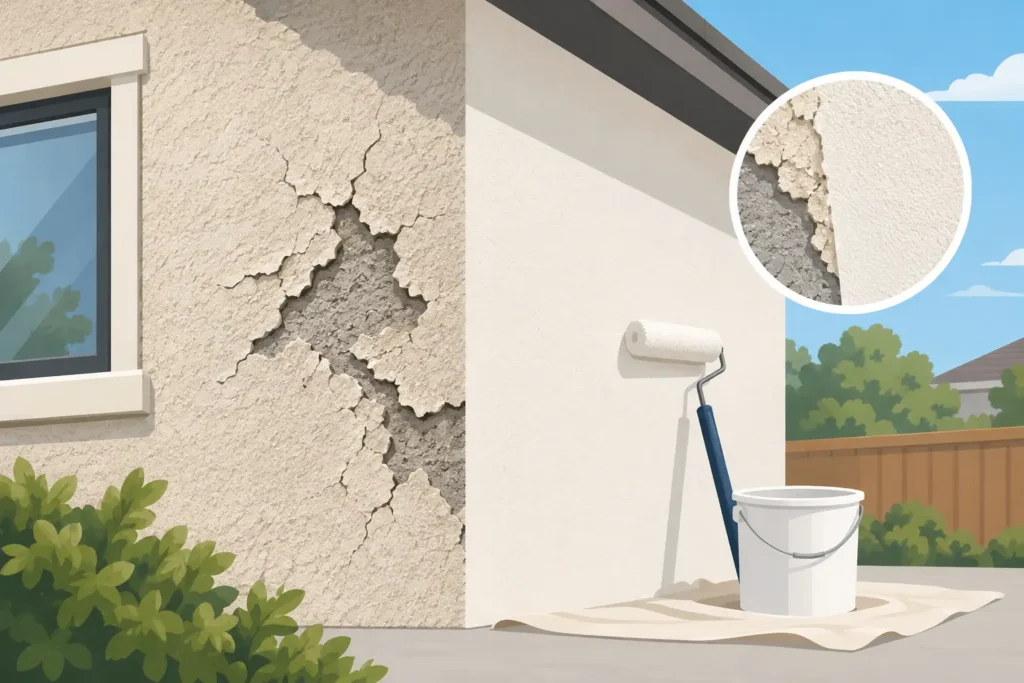
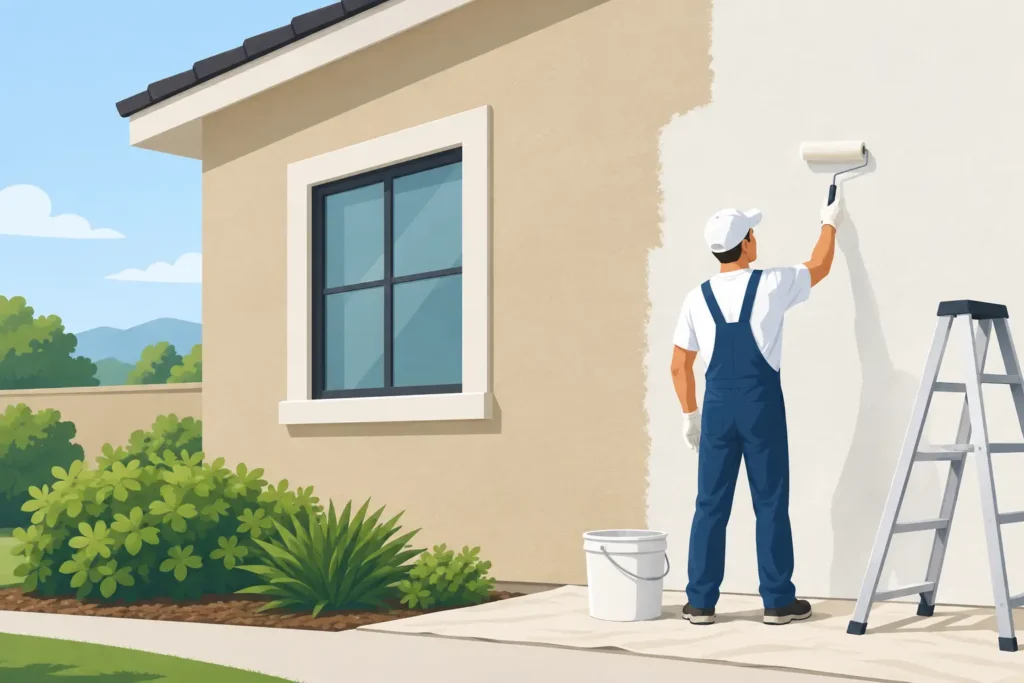
Customers notice the storefront, entrance doors, window trim, and exterior columns immediately. Exterior repainting can improve visibility, reinforce brand colors, and protect building materials from moisture and seasonal weather. Before painting exterior surfaces, loose coatings, failed sealant, cracks, and substrate damage need attention.
Back-of-house areas also affect operations. Stockrooms, employee rooms, receiving areas, offices, and service corridors are often overlooked until they become difficult to clean or show substantial wear. Repainting these spaces can make the workplace brighter, easier to maintain, and more professional for staff and suppliers.
If your retail property includes exposed concrete, metal doors, railings, utility rooms, or loading areas, the coating system must match the substrate. Standard wall paint is not the answer for every surface. Using the wrong product can lead to peeling, rust bleed-through, or premature wear.
What to Expect From a Professional Painting Contractor
Commercial painting should feel controlled from the first site visit through final cleanup. Before work begins, you should have an approved scope, defined pricing, a schedule, and a clear understanding of what your team needs to move, secure, or provide access to.
During the project, communication matters. A dependable contractor keeps you informed about progress, unexpected repairs, access needs, and any changes that affect the schedule. Crews should arrive prepared, protect the work area, maintain a clean site, and avoid leaving your staff to deal with paint debris or misplaced fixtures.
For property managers and multi-location operators, credentials matter too. Licensed, bonded, and insured painters reduce risk and provide confidence that the contractor is equipped for commercial work. JXF Painting Service brings this level of planning and workmanship to retail projects throughout Toronto and the GTA, whether the job involves a single storefront refresh or a larger commercial repaint.
Plan Repainting Before It Becomes an Emergency
The best time to plan a repaint is before the space looks tired. Build paint maintenance into your store planning around lease renewals, seasonal campaigns, fixture changes, and slower sales periods. Keeping accurate records of paint colors, sheens, and past repairs also makes future touch-ups and phased upgrades easier.
A fresh, durable finish gives customers a reason to trust what they see. When the paintwork is clean, consistent, and professionally maintained, the store feels ready for business every day.