
A freshly painted wall may feel dry by the end of the day, but that does not mean it is ready for furniture, cleaning, or everyday wear. How long does paint cure depends on the coating, the surface, room conditions, and how much abuse the finish will face. For most interior latex paints, full curing takes about 14 to 30 days. Until then, the paint film is still hardening and can be marked, scratched, or damaged more easily than homeowners expect.
For a finish that looks clean on day one and stays durable long after the project is complete, drying time and curing time need to be treated as two different milestones.
Dry Paint vs. Cured Paint: What Is the Difference?
Paint dries when enough water or solvent has evaporated for the surface to stop feeling wet or tacky. A wall coated with standard water-based interior paint may be dry to the touch in one to two hours and ready for another coat in about two to four hours. That is useful for scheduling the job, but it is not the point at which the coating reaches full strength.
Paint cures as its binders harden into a durable film. During that process, the coating develops its resistance to scuffs, moisture, household cleaners, fingerprints, and pressure from furniture or hardware. A cured coating is far less likely to stick to another painted surface, peel when tape is removed, or show a permanent mark after being wiped.
Oil-based and alkyd paints generally take longer to dry and cure than water-based products. Specialty coatings also follow their own schedules. Cabinet enamels, floor paints, epoxies, and industrial coatings should always be handled according to the product specifications because putting a surface into service too early can compromise the job.
How Long Does Paint Cure in Typical Conditions?
The following time frames are practical guidelines for common projects. They assume proper surface preparation, compatible primer and paint, normal indoor temperatures, and reasonable airflow.
Interior latex wall and ceiling paint
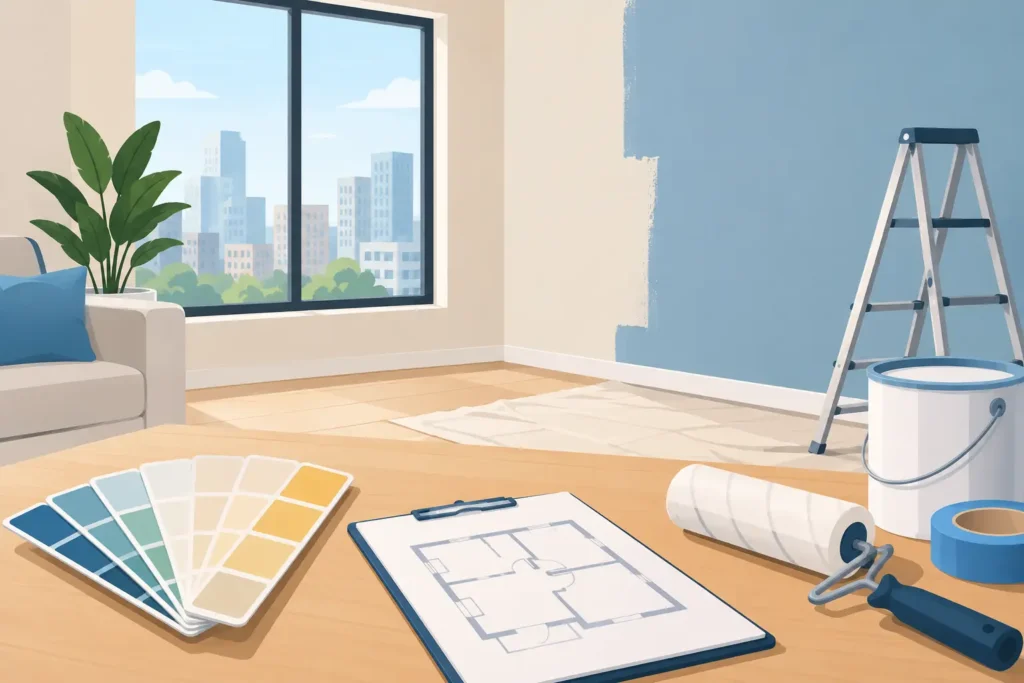
Most acrylic latex paints are dry to the touch within one to two hours, can often be recoated in two to four hours, and cure in roughly two to four weeks. Flat and matte walls may seem ready sooner, but they can still burnish or develop shiny spots if scrubbed before full cure.
For a newly painted living room, bedroom, hallway, or office, light use is usually fine after 24 to 48 hours. Avoid washing the walls, leaning large items against them, or pressing furniture tightly into corners for at least two weeks.
Trim, doors, and cabinets
Trim and doors get touched, bumped, and cleaned far more than walls, so cure time matters more. Water-based trim paints commonly need 14 to 30 days to reach their best hardness. Doors should be opened and closed gently during the first few days. If two painted surfaces meet – such as a door and its frame – early contact can cause sticking or leave marks in the finish.
Cabinets need extra care. Even when doors can be reinstalled after a few days, avoid slamming them, hanging damp towels over doors, or aggressively cleaning them until the coating has cured. A hard-wearing cabinet finish is built through correct prep, thin even coats, and patience after the final coat.
Oil-based and alkyd paint
Traditional oil-based coatings can take six to eight hours or longer to become dry to the touch, with recoating often requiring 16 to 24 hours. Full cure may take several weeks. Modern waterborne alkyd paints can dry faster while still providing a hard, smooth finish, but they also need time before they can handle regular wear.
Epoxy and floor coatings
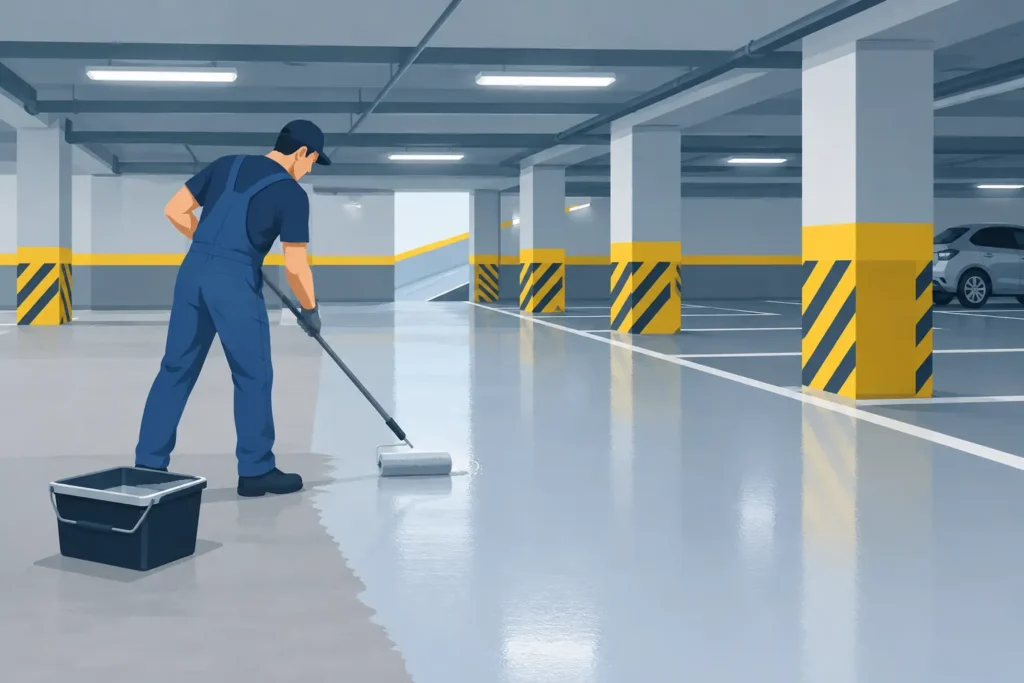
Epoxy systems are not standard wall paint. A garage floor or commercial floor coating may permit light foot traffic in 24 to 48 hours, while vehicle traffic can require three to seven days or more. Temperature, concrete moisture, product formulation, and coating thickness all affect the schedule.
For warehouse floors, underground parking areas, and high-traffic commercial spaces, cure time should be planned before work begins. Reopening too early can lead to tire marks, lifting, scratches, and expensive repairs.
What Makes Paint Take Longer to Cure?
The label provides a baseline, but site conditions determine whether paint reaches that baseline on schedule. In a home, condo, office, or industrial facility, four factors have the biggest effect:
- Temperature: Most paints perform best around 50 to 85 degrees Fahrenheit. Cold slows drying and curing. Excessive heat can make paint skin over too quickly before it levels properly.
- Humidity: High humidity slows the evaporation of water from latex paint. Bathrooms, basements, poorly ventilated rooms, and rainy exterior conditions need more drying time.
- Airflow: Gentle air movement helps moisture leave the coating. Stagnant air slows the process, while excessive forced heat or direct airflow can create uneven drying.
- Coat thickness and surface condition: Thick coats take longer to harden. Painting over a damp, dirty, glossy, or poorly prepared surface can cause problems that cure time alone will not fix.
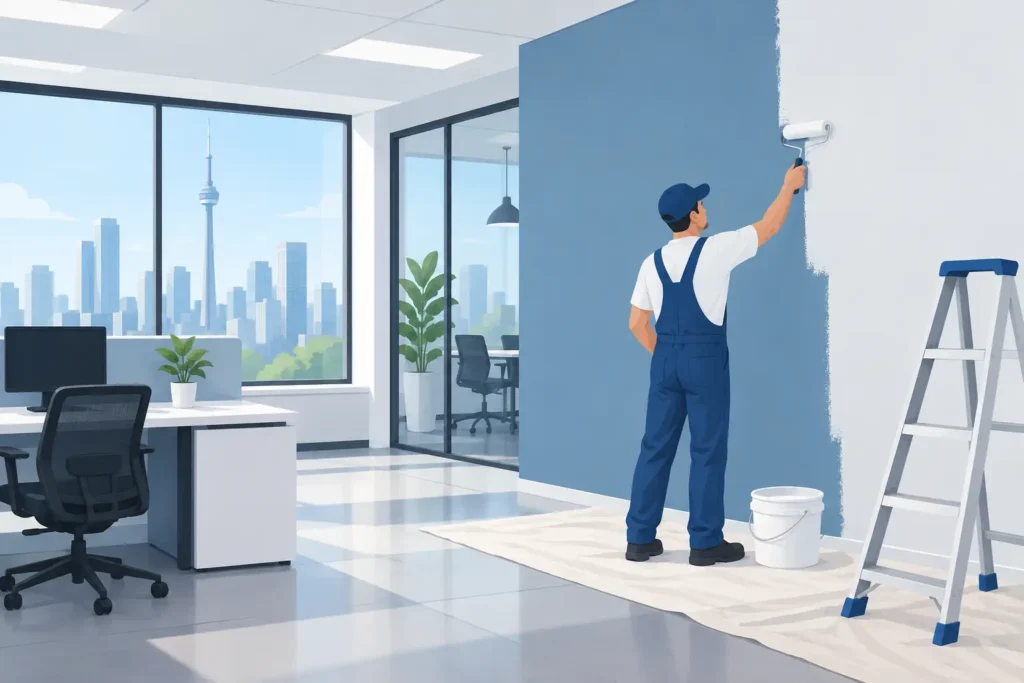
Toronto and GTA properties often deal with humid summers, cold shoulder seasons, and limited ventilation in condo units. That does not prevent a successful paint job, but it does mean the work must be scheduled and managed around actual conditions, not just the time printed on a can.
When Can You Put the Room Back Together?
There is a difference between using a room carefully and returning it to full service. After interior walls have dried for 24 hours, most rooms can handle normal light activity. You can walk through the space, install light switch plates carefully, and move small items nearby without touching the walls.
Wait at least 48 to 72 hours before moving furniture back into place. When placing heavy items, leave a small gap between furniture and freshly painted walls whenever possible. Picture frames, shelving, and wall-mounted hardware should also wait several days so the pressure of installation does not dent or scrape a soft coating.
For the first two weeks, treat the surface with care. Do not wash walls unless there is an urgent spill, and do not use abrasive pads, strong cleaners, or adhesive hooks. If cleaning cannot wait, use a soft damp cloth with mild soap, minimal pressure, and no repeated rubbing in one spot.
A kitchen, child’s room, retail space, or busy office may need a more cautious return-to-service plan than a guest bedroom. High-touch areas should be allowed as much cure time as the project schedule permits.
How to Help Paint Cure Properly
You cannot force paint to cure instantly, but you can create conditions that support a strong finish. Keep the space at a steady, moderate temperature. Run the HVAC system normally if it provides stable conditions, and use ventilation where appropriate without blasting fresh paint with intense heat.
Avoid closing up a humid room immediately after painting. In bathrooms and laundry rooms, use exhaust fans once the paint has had adequate time to set according to the coating instructions. For exterior work, protect fresh paint from rain, dew, and extreme temperature swings.
Do not assume an extra-thick coat will provide better coverage or protection. Professional painters use the correct spread rate, allow proper recoat times, and apply additional coats when needed. This gives the paint film a better chance to dry evenly and cure as designed.
Why Professional Scheduling Protects the Finish
A quality paint job is more than clean cut lines and an even color. It also requires a realistic plan for prep, drying, recoating, curing, and putting the area back into service. That is especially true for doors, cabinets, commercial spaces, epoxy floors, and occupied properties where downtime matters.
JXF Painting Service plans each project around the surface, coating system, and level of traffic the finished area will receive. Proper preparation and approved products matter, but clear guidance after the job matters too. A client should know when the room can be used, when it can be cleaned, and when the coating is ready for full daily wear.
If paint feels dry but you are unsure whether it is ready for furniture, cleaning, or traffic, give it more time. A few extra days of care is a small investment in a finish that stays smooth, clean, and professional-looking for years.