
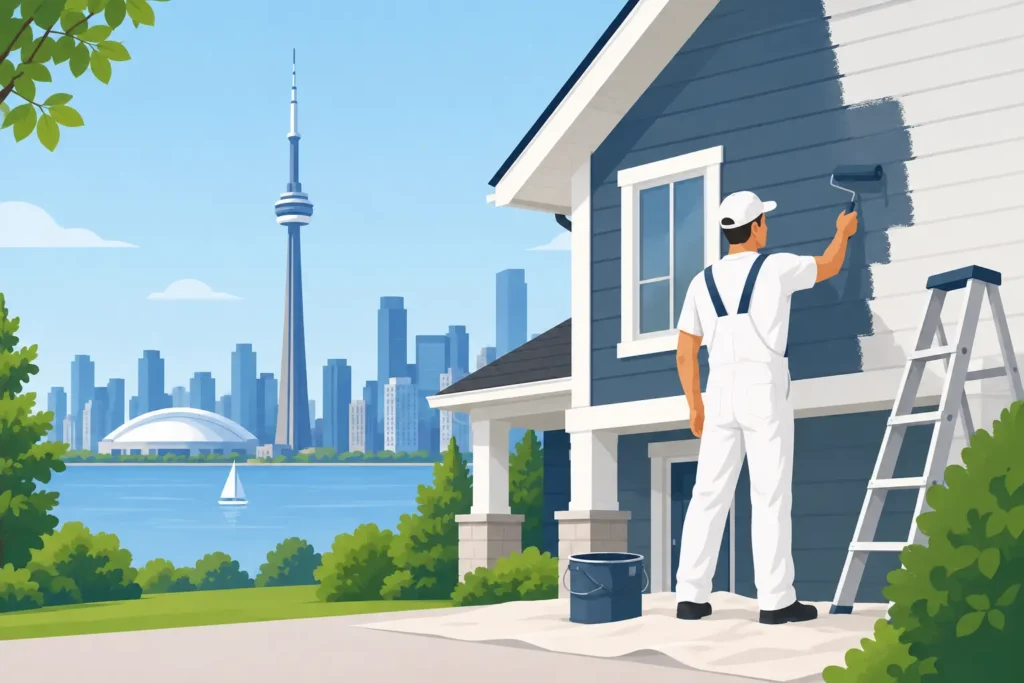


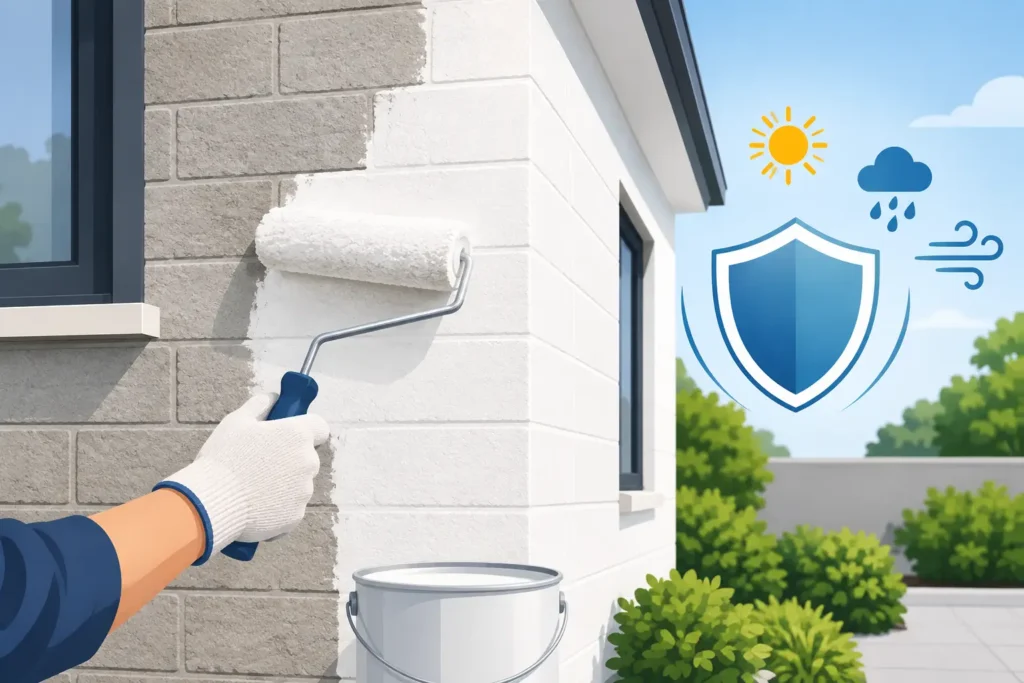
A fresh coat of paint can make a home look maintained, brighter, and more valuable. But the number on a painting estimate is not simply the cost of paint times the square footage. This house painting cost guide explains what homeowners in Toronto and the GTA are actually paying for: skilled labor, proper surface preparation, materials, access, repairs, and a finish that holds up after the crew leaves.
A professional quote should reflect the real condition of the property and the scope required to produce clean, durable work. A low price can look attractive at first, but it may leave out repairs, primer, protection, second coats, or the detailed prep that prevents early peeling and uneven coverage.
What Does It Cost to Paint a House?
House painting costs vary by whether the work is interior or exterior, how much preparation is needed, the number of rooms or stories, and the products specified. In the GTA, a small, straightforward interior project may start in the low thousands of Canadian dollars, while a full-home repaint or a large exterior can run well into five figures.
For rough planning only, many professional interior painting projects fall around $3 to $7 per square foot of floor area when walls, ceilings, trim, and normal preparation are included. A single room may be priced by the room rather than by square footage, especially when there are detailed trims, tall ceilings, or furniture to protect.
Exterior painting is usually measured by paintable wall area and complexity, not by the home’s interior floor area. A simple one-story exterior with sound siding requires far less labor than a two-story brick, stucco, wood, or siding home with high peaks, difficult access, peeling paint, and multiple colors. The on-site assessment matters because two homes with the same footprint can require very different amounts of work.
These ranges are planning figures, not a substitute for a written quote. The right price depends on the surfaces in front of the painter, not a generic online calculator.
The Main Factors Behind House Painting Costs
Surface preparation sets the foundation
Preparation is where professional painting earns its value. Walls may need patching, sanding, caulking, stain blocking, drywall repair, or old wallpaper adhesive removal. Exterior surfaces can require pressure washing, scraping loose paint, sanding, priming bare wood, replacing failed caulking, and treating mildew.
A wall with a few nail holes can be prepared quickly. A wall with water stains, cracked drywall seams, or heavy texture needs a more involved repair process. Skipping that work may reduce the initial estimate, but defects will remain visible through a new coat of paint.
The surfaces being painted
Smooth, open walls paint faster than windows, doors, baseboards, crown molding, stair rails, kitchen cabinets, or coffered ceilings. Trim and doors require careful masking, sanding, and brushwork to achieve straight lines and an even finish. Cabinets require a different level of cleaning, degreasing, sanding, priming, and coating discipline than ordinary wall painting.
Exterior materials also affect cost. Brick, stucco, wood, aluminum, vinyl, and fiber-cement siding each require compatible primers and coatings. Wood with widespread peeling needs significantly more prep than a previously painted surface that is still stable.
Height, access, and protection
High walls, stairwells, cathedral ceilings, upper stories, steep grades, and tight side yards add time and safety requirements. Depending on the site, a contractor may need extension ladders, scaffolding, lifts, or specialized access equipment.
Interior protection is part of the job as well. Floors, furniture, countertops, landscaping, windows, and fixtures must be covered or masked before painting begins. Occupied homes, active offices, and condo units need a clean, organized work area. That labor is essential, even though it does not appear as a visible coat of paint.
Paint quality and coating system
Better paint costs more, but it can improve coverage, washability, color retention, and service life. It is not always necessary to buy the most expensive product on the shelf. The correct product depends on the room or exterior surface.
For example, bathrooms and kitchens need coatings that handle moisture and cleaning. High-traffic hallways benefit from a durable, washable finish. Exterior trim may need a flexible coating that resists weather movement. Primer may be required for bare drywall, patched areas, dramatic color changes, stains, or exterior repairs. A professional estimate should identify the coating approach, not merely say “paint included.”
Interior Painting Costs: What Changes the Price?
Interior painting is often priced by room, area, or a detailed production estimate. Bedrooms with standard ceilings are generally more efficient than kitchens, bathrooms, staircases, and open-concept spaces with extensive trim.
Color changes matter. Painting a light color over a dark red, navy, or black wall may require primer and additional finish coats to achieve a consistent result. The same applies when covering stains or nicotine discoloration. One coat is rarely enough for a reliable color change, even if a paint label claims excellent coverage.
Ceilings, baseboards, doors, window trim, closets, and feature walls should be clearly separated in the quote. Homeowners often assume they are included, while contractors may price them as separate line items. Clear scope prevents surprise costs and makes competing estimates easier to compare.
If you are preparing a property for sale, focus spending where buyers notice it most: entry areas, living spaces, kitchens, hallways, ceilings with marks, and damaged trim. A full repaint is not always necessary. Strategic repairs and neutral colors can deliver a strong visual improvement without overextending the budget.
Exterior Painting Costs: Why Estimates Differ So Much
Exterior work is exposed to weather, moisture, sun, and seasonal temperature changes. That is why the preparation standard is often more demanding than interior painting. A contractor must assess paint failure, caulking, bare substrate, surface moisture, and the condition of previous coatings before pricing the job.
The exterior season can also affect scheduling. Dry conditions and suitable temperatures are needed for coatings to cure properly. Rushing work during poor weather may create adhesion problems that do not show up until later. A dependable contractor plans around those conditions instead of treating every calendar day as paintable.
For a more accurate exterior budget, provide photos of each side of the home and note the material, number of stories, visible peeling, and areas with wood damage. An on-site visit is still best for confirming access, measuring surfaces, and identifying repairs that photos can miss.
How to Compare Painting Quotes Properly
Do not compare estimates on price alone. Compare what each contractor has committed to do. A complete quote should state the surfaces being painted, prep included, number of coats, paint or coating type, repair allowances, protection measures, and whether cleanup is included.
Ask how damaged drywall, rot, hidden water damage, or additional repairs will be handled if they are discovered after work begins. No contractor can always see behind old paint or furniture during an initial visit. What matters is having an approved process for documenting the issue and pricing additional work before it proceeds.
You should also confirm licensing, insurance, labor coverage, schedule expectations, and warranty terms. For condo, commercial, or multi-unit work, ask about building requirements, elevator bookings, after-hours scheduling, dust control, and communication with property management. Those details affect cost, but they also protect the project from delays.
JXF Painting Service builds estimates around the actual property condition, the coating system, and the finish level required, rather than offering a one-size-fits-all number. That approach gives homeowners and property managers a clearer path from quote approval to final walkthrough.
Ways to Control Your Painting Budget Without Cutting Corners
The best savings usually come from good planning, not from reducing prep or choosing the cheapest coating. Keep the color plan simple where possible, combine rooms into one project, clear small personal items before the crew arrives, and address minor wall damage before it becomes a larger repair.
If budget is limited, phase the work by priority. Start with high-visibility rooms, failing exterior trim, water-stained ceilings after the source of moisture has been repaired, or surfaces that are difficult to clean and maintain. A professional can help identify which areas need immediate attention and which can wait.
Before approving any estimate, make sure you can see the scope clearly enough to know what you are buying. The right painting investment is not the lowest initial number. It is the one that delivers clean preparation, appropriate products, dependable workmanship, and a finish you will still be satisfied with years from now.