

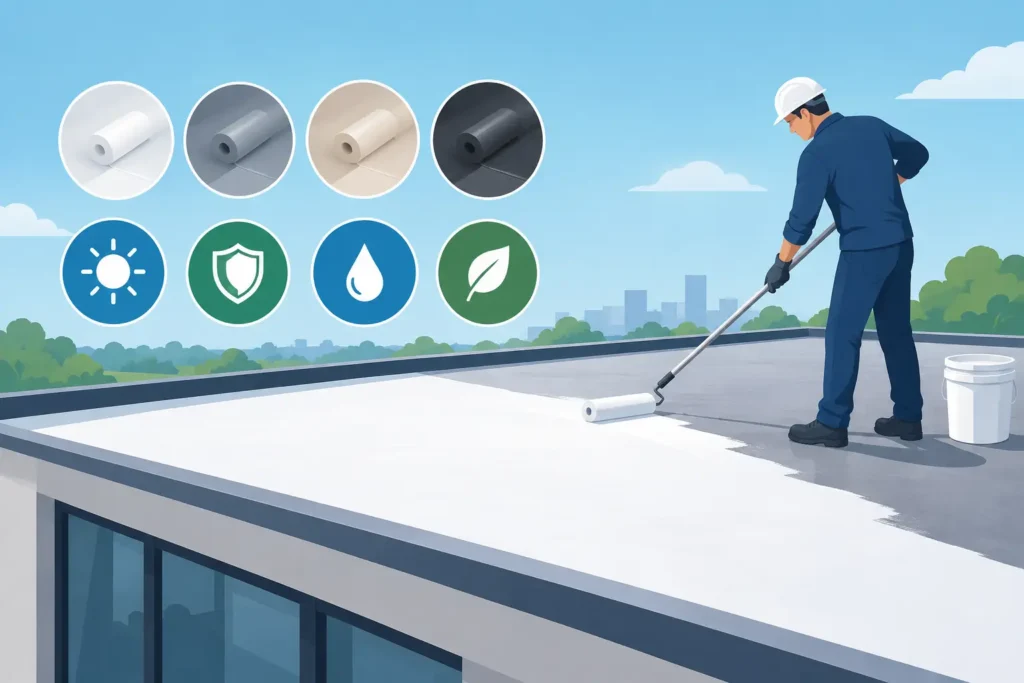

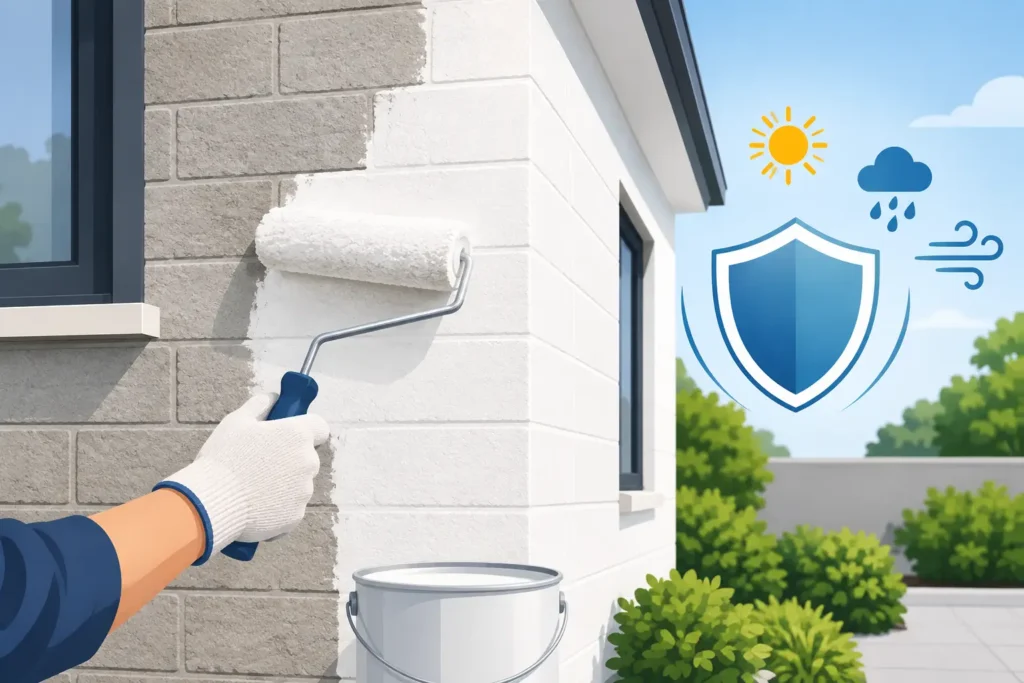
A failed industrial coating rarely starts with the paint itself. It starts with a floor that was not properly profiled, steel that still held contamination, or a coating selected for appearance when the surface needed chemical resistance. This guide to industrial surface coatings helps facility managers, property owners, and contractors make decisions that protect assets, reduce maintenance, and keep operations looking professional.
Industrial coatings are not a one-size-fits-all finish. A warehouse floor, a loading dock guardrail, a metal roof, and a concrete parking structure face different forms of wear. The right system must match the substrate, the environment, the expected traffic, and the downtime the facility can realistically allow.
What Industrial Surface Coatings Are Designed to Do
Industrial surface coatings are engineered paint and protective systems applied to concrete, steel, masonry, metal, and other working surfaces. Their job goes beyond changing color. A properly specified coating can control corrosion, resist abrasion, withstand cleaning chemicals, limit moisture penetration, improve visibility, and make a space easier to maintain.
For a distribution center, the priority may be forklift traffic and tire wear. In a mechanical room, chemical splash and washability may matter more. Exterior steel needs defense against rain, salt, UV exposure, and corrosion. In underground garages, the system may need to manage vehicle traffic, de-icing salts, oil drips, and concrete moisture.
The practical question is not, “What is the toughest coating?” It is, “What coating system performs under the conditions this surface actually sees?” A high-build epoxy may be an excellent choice indoors but can chalk or discolor in direct sunlight unless it is protected with a suitable topcoat. Fast-curing products reduce downtime, but they can demand tighter surface-preparation and application controls.
Start With the Surface and the Service Conditions
Before choosing a product, assess the surface. Coatings only perform as well as the material beneath them. That means identifying the substrate, existing finish, cracks, corrosion, contamination, moisture conditions, and access limitations before work begins.
Concrete needs particular attention. New concrete must cure properly, while older slabs may contain oils, sealers, adhesive residue, dust, or moisture vapor that can interfere with adhesion. Hairline cracks, spalls, and failed joints should be repaired before coating. A coating can improve the appearance of a damaged floor, but it will not correct moving cracks or structural deterioration.
Steel and other metals present a different set of issues. Rust, mill scale, loose old paint, welding residue, and salts need to be addressed. The required level of preparation depends on the coating system and exposure. Some projects call for power-tool cleaning; others require abrasive blasting to create a clean, properly profiled surface.
Service conditions drive the final specification. Review whether the surface will face foot traffic, forklifts, vehicle tires, impact, standing water, high humidity, solvents, oils, acids, temperature swings, or direct sun. Also consider how the area is cleaned. Aggressive washdowns and disinfectants can shorten the life of a finish that was only selected for general wear.
A Guide to Industrial Surface Coatings by Type
Most industrial coating systems use a primer, build coat, and protective topcoat, although the exact assembly varies by surface and performance requirements. The following options are common in commercial and industrial properties.
Epoxy Coatings
Epoxy is widely used on concrete floors, walls, and steel because it delivers strong adhesion, chemical resistance, and a hard, cleanable finish. It is a dependable option for warehouses, workshops, utility areas, storage rooms, and many parking-related applications.
Its trade-off is UV exposure. Standard epoxy can amber, chalk, or lose its original appearance outdoors. That does not always mean the coating has failed structurally, but it can affect the finish. When color retention matters, epoxy is often paired with a UV-stable topcoat.
Polyurethane and Polyaspartic Topcoats
Polyurethane coatings provide abrasion resistance, flexibility, and better color and gloss retention in sunlight than standard epoxy. They are often used as topcoats over epoxy systems where a facility needs both a durable base and a more attractive, UV-resistant final finish.
Polyaspartic systems can cure quickly and are useful where shutdown time is limited. They can be a strong choice for certain floors and traffic areas, but fast cure times leave less room for error. Temperature, humidity, mixing, and crew coordination must be controlled closely.
Zinc-Rich Primers and Protective Metal Coatings
For structural steel, railings, tanks, equipment, and exterior metal, zinc-rich primers can provide sacrificial corrosion protection. They are commonly combined with epoxy intermediate coats and polyurethane finish coats for long-term durability.
This type of system is not just about applying more material. Film thickness, surface profile, recoat windows, and edge coverage all affect performance. Sharp edges, welds, bolts, and corners often need stripe coating because these areas are prone to early corrosion.
Moisture-Cured and Specialty Coatings
Some facilities require specialty systems for damp substrates, severe chemical exposure, high heat, waterproofing, or rapid return to service. These products can solve specific site conditions, but they should not be selected by label alone. A coating that handles moisture may not provide the same chemical resistance or finish quality as another system.
A site assessment helps separate a real performance need from an unnecessary upgrade. The goal is dependable value, not an overbuilt specification that adds cost without improving the outcome.
Surface Preparation Is Where Coating Life Is Won
Industrial painting is preparation work before it is painting work. Even a premium product can peel, blister, or wear prematurely when it is applied over dirt, moisture, weak concrete, loose paint, or corrosion.
Concrete preparation may involve degreasing, mechanical grinding, shot blasting, crack repair, patching, and vacuuming. The finished profile must be appropriate for the product being installed. A smooth surface may look clean but still lack the mechanical grip needed for a high-performance floor coating.
For steel, preparation can include washing, scraping, power-tool cleaning, abrasive blasting, and spot priming. The work area also needs protection from dust, overspray, and contamination. On active sites, sequencing matters. Coating a clean surface before nearby grinding, welding, or demolition is complete can create avoidable rework.
Moisture testing is equally important on concrete. Moisture vapor can push against a coating from below and cause bubbling or delamination. The correct response depends on the reading, the slab condition, and the coating manufacturer’s limits. Sometimes the solution is a moisture-mitigation primer; sometimes the project needs more drying time or a different system.
Application Quality Affects the Final Result
Once preparation is complete, application conditions still matter. Temperature, humidity, dew point, ventilation, and substrate temperature can affect cure, adhesion, appearance, and recoat timing. Exterior projects must also account for weather changes, condensation, and direct sun heating the surface beyond the air temperature.
Professional crews control mixing ratios, pot life, spread rates, wet-film thickness, and dry-film thickness. Applying too little material can reduce protection. Applying too much can create solvent entrapment, slow curing, sagging, or other failures. These details are why industrial coating work should be scoped around the actual site rather than priced as a generic paint job.
For occupied warehouses, offices, garages, and commercial properties, operational planning is part of quality. Work may need to be phased by zone, scheduled after hours, or coordinated around vehicle and pedestrian traffic. Clear communication about access, cure time, odor, ventilation, and return-to-service expectations prevents disruption and helps the project stay on schedule.
How to Plan an Industrial Coating Project
A reliable project begins with an on-site assessment and a clear scope. Document the areas to be coated, substrate condition, repairs required, access needs, protection requirements, and desired performance outcome. If the surface has failed before, identify why. Simply recoating over the same underlying problem usually repeats it.
Ask for the proposed coating system, preparation method, repair approach, and anticipated downtime. A dependable contractor should be able to explain why the selected system fits the exposure conditions and what maintenance will be needed afterward. For larger facilities, a test area can be worthwhile before committing to a full installation.
JXF Painting Service approaches industrial coating work with that practical mindset: assess the substrate, prepare it correctly, protect the active worksite, and apply a system built for the property’s real demands. For facilities across Toronto and the GTA, that means planning around operations instead of treating downtime as an afterthought.
Maintenance Protects the Investment
Even high-performance coatings need routine care. Remove chemical spills promptly, use cleaning products compatible with the finish, and inspect high-traffic areas before small failures spread. Dragging metal equipment, allowing standing water, or using overly aggressive cleaners can shorten coating life.
When chips, exposed steel, cracked joints, or worn traffic lanes appear, address them early. Targeted repairs are usually faster and less expensive than waiting until corrosion, concrete damage, or widespread delamination requires a larger shutdown. The best coating plan is one that gives your facility a finish it can maintain with confidence.