



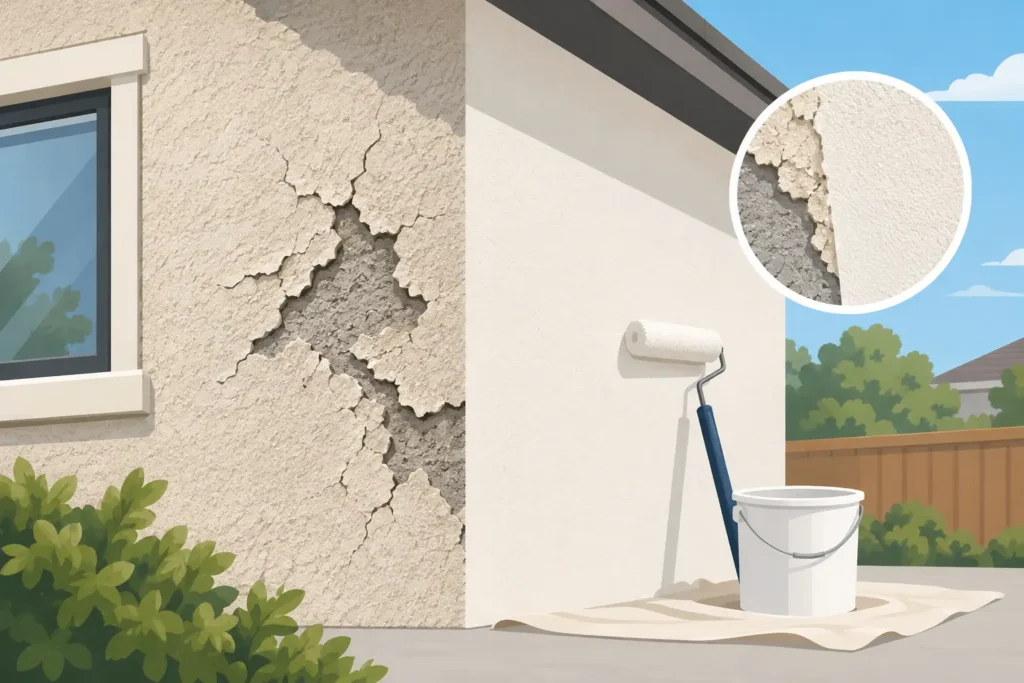
A fresh coat of paint can make a room look new, but it will not solve a crack that was never repaired correctly. Can painters repair drywall cracks? Yes. A qualified painting contractor can repair many common drywall cracks as part of proper wall preparation, then prime and paint the surface so the repair blends into the surrounding finish.
The key is identifying why the crack appeared in the first place. Some cracks are normal signs of settling, seasonal movement, or minor wear. Others point to moisture, framing movement, or a larger structural concern. Professional painters repair the finish properly, but they should not simply hide a recurring problem under paint.
Can Painters Repair Drywall Cracks Before Painting?
Professional painters regularly repair drywall cracks, nail pops, dents, seam failures, and small holes before painting. It is part of the prep work required for a clean, durable finish. If the wall is not repaired, even premium paint will highlight the defect, especially under side lighting or a satin, semi-gloss, or higher-sheen paint.
A proper repair is more than spreading filler over a line in the wall. The damaged area must be opened and stabilized where needed, then reinforced with tape or patch material. The repair is built up with drywall compound, sanded smooth, primed, and painted. Skipping any of these steps can leave a visible ridge, flashing, or a crack that reopens shortly after the project is complete.
For homeowners, landlords, and facility managers, combining drywall repair with painting also keeps the work organized. One experienced crew can prepare the surface, control dust, protect the space, and deliver the finished paintwork without handing off responsibility between multiple trades for routine repairs.
Which Drywall Cracks Can a Painter Repair?
Most cosmetic and non-structural cracks are well within a professional painter’s scope. These include thin hairline cracks, cracks along drywall seams, small cracks above doors and windows, minor corner-bead damage, and cracks caused by normal building settlement.
Hairline cracks often develop where two materials move at different rates or where old paint has lost flexibility. A painter may widen the crack slightly to remove loose material, apply a flexible repair product or compound, sand it level, and prime the area. The right approach depends on the crack’s location and whether movement is still expected.
Cracks along a drywall seam require more attention. If the original tape is lifting or the joint compound has failed, applying a quick skim coat is not enough. Loose tape must be removed or secured, new tape may be installed, and multiple thin coats of compound are applied to feather the repair into the wall. Once sanded and primed, the area can be painted to match the rest of the room.
Small cracks near door frames, window openings, and ceiling transitions are also common. These locations experience movement as a house settles and as temperatures and humidity change. A skilled contractor evaluates whether a standard taped repair is appropriate or whether a flexible caulk joint will perform better at a trim-to-wall connection.
When a Crack Needs More Than Painting and Drywall Repair
Paint contractors can handle surface repairs, but responsible workmanship means knowing when to stop and recommend further investigation. A crack that keeps reopening, widens over time, or appears alongside sticking doors, uneven floors, or gaps around windows may be tied to structural movement. Painting over it would only delay the real repair.
Moisture is another concern. Brown stains, soft drywall, bubbling paint, mold-like growth, or a crack near a known roof, plumbing, or window leak should be addressed at the source first. Wet drywall can deteriorate behind the finished surface. Once the area is dry and the cause of the leak has been corrected, damaged material may need replacement before painting begins.
Wide cracks, especially those wider than about one-eighth of an inch, deserve a closer look. The same is true of diagonal cracks that run from window or door corners, cracks extending through masonry, or substantial ceiling cracks. These conditions do not automatically mean there is a serious structural issue, but they should be assessed before cosmetic work is approved.
For commercial and multifamily properties, crack patterns can also reveal building maintenance issues. Repeated damage in corridors, stairwells, tenant suites, or common areas may result from vibration, water intrusion, building movement, or impact. A clear site assessment helps property decision-makers plan the right repair instead of repeatedly paying to repaint the same failure.
What Proper Drywall Crack Repair Looks Like
A lasting repair starts with preparation. The painter protects floors, furnishings, and adjacent surfaces, then checks the damaged area for loose paint, failed tape, soft drywall, and signs of moisture. Stable hairline cracks may need minimal opening and filling. Failed seams and damaged corners need reinforcement before compound is applied.
Drywall tape is often the difference between a repair that lasts and one that returns. Paper tape, fiberglass mesh, or specialty patch materials can be used depending on the repair. The contractor embeds the reinforcement in compound, applies additional thin coats, and feathers each coat beyond the last. This creates a gradual transition rather than a raised patch that becomes obvious after painting.
After the compound dries, the surface is sanded smooth. Dust control matters here. Fine drywall dust travels easily through occupied homes, offices, retail spaces, and condos, so professional crews use contained work practices and clean the area thoroughly before paint is applied.
Primer comes next. New drywall compound is porous and absorbs paint differently than an already painted wall. Spot-priming the repair helps prevent flashing, which is the dull or uneven-looking patch that can appear after the finish coat dries. The final paint is then applied at the proper sheen and coverage level for the room.
Why Painting Over Cracks Usually Fails
It is tempting to use paint as a quick fix, particularly when preparing a property for a move-in, sale, inspection, or tenant turnover. Thick paint may soften the appearance of a very fine crack for a short period, but it does not reinforce the drywall beneath it. As the wall moves, the crack generally telegraphs back through the new finish.
Caulking is not a universal answer either. Paintable caulk is useful where trim meets walls or at certain small transition gaps, but it is not the correct material for most flat-wall cracks or failed drywall seams. Using the wrong product can leave a sunken line, a glossy patch, or a repair that collects dust and dirt.
The trade-off is straightforward: a quick touch-up costs less upfront, while proper surface preparation takes more time and skill. For high-visibility rooms, rental turnovers, client-facing offices, and areas with bright natural light, the better repair is usually the better value because it protects the appearance of the paint job.
Questions to Ask Before Hiring a Painter for Crack Repairs
Before approving a painting estimate, ask whether drywall repair is included and how the contractor will handle cracks, failed tape, and patching. The scope should distinguish between minor preparation and more extensive drywall restoration. This protects both the customer and the contractor from unclear expectations once work begins.
Ask how the repaired areas will be primed, whether sanding dust will be controlled, and how paint matching will be handled. If the existing paint is faded or discontinued, a perfect spot match may not be possible. In those cases, painting the full wall, or sometimes the full room, produces a more consistent result.
It is also reasonable to ask what happens if the contractor finds water damage or an unstable crack during preparation. A dependable painting company will explain the condition clearly, provide options, and avoid covering an issue that needs another trade or further review.
Get the Repair Right Before the Finish Goes On
Drywall cracks should be treated as a preparation issue first and a painting issue second. JXF Painting Service approaches repairs with the same attention given to the final coat: assess the surface, correct the defect, protect the property, and apply a finish that looks clean from every angle.
If a crack is minor and stable, professional repair and painting can restore the wall efficiently. If the crack suggests water damage or ongoing movement, addressing the cause first is the smart investment. A properly prepared wall gives your new paint the sound, polished surface it needs to perform.