
A gallon of paint can look like a simple weekend purchase. The real decision behind professional painters versus DIY is not the paint itself. It is whether you have the time, preparation skills, equipment, and patience to deliver a finish that still looks good after daily use, seasonal changes, and routine cleaning.
For a small bedroom with sound walls and an uncomplicated color change, DIY can be a sensible option. For high-visibility rooms, exterior surfaces, rental turnovers, occupied offices, condos, or properties with repairs beneath the old paint, hiring experienced painters often protects both the finish and the schedule.
Professional Painters Versus DIY: Start With the Real Scope
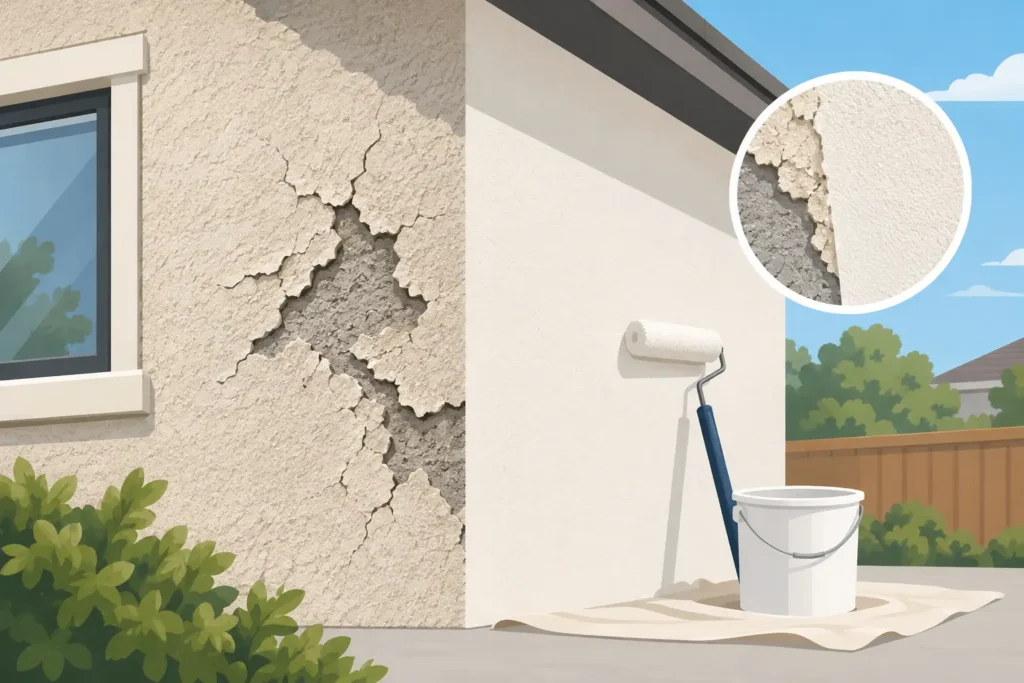
Most painting projects become difficult before the first coat goes on. Walls may have nail holes, cracks, water stains, peeling areas, uneven patches, old caulk, or glossy surfaces that need proper sanding and priming. Trim, doors, ceilings, cabinets, stucco, and exterior siding each require different preparation and application methods.
DIY painting tends to work best when the scope is controlled: one or two rooms, standard drywall, accessible ceilings, minimal furniture, and no major repairs. Once a project includes significant patching, popcorn ceiling removal, stairwells, exterior heights, detailed trim, or specialty coatings, the work changes from a straightforward refresh to a trade job.
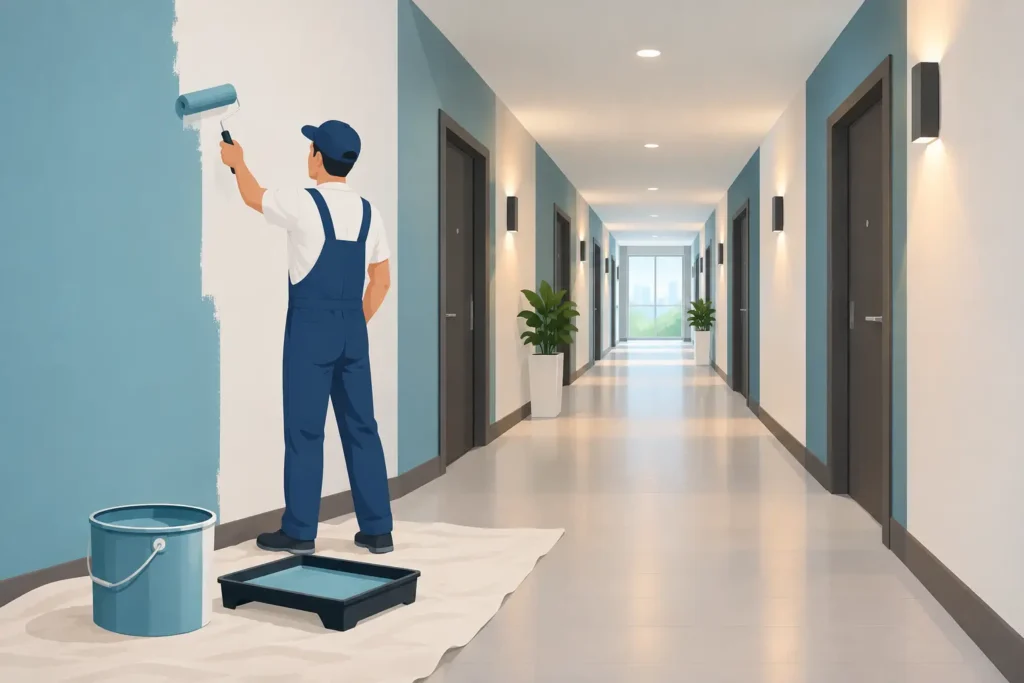
Commercial and industrial properties raise the stakes further. A warehouse, retail space, office, or underground parking garage may require surface preparation, durable coating systems, safety planning, and work completed around tenants, staff, customers, or operations. Saving on labor is rarely worthwhile if the project causes extended downtime or has to be redone early.
The Cost Comparison Is More Than a Labor Quote
DIY appears less expensive because you are not paying a painting crew. That can be true for a modest project, particularly if you already own quality rollers, brushes, drop cloths, ladders, sanding tools, and masking materials. But material costs add up quickly when you need primer, caulk, patching compound, painter’s tape, plastic protection, trays, extension poles, and cleanup supplies.
There is also the cost of mistakes. Uneven sheen, lap marks, paint splatter, missed repairs, peeling paint, and cut lines that wander can leave a room looking unfinished. Correcting those issues may require more paint, more time, or a professional repaint.
A professional quote includes skilled labor, project planning, surface preparation, equipment, protection for floors and furnishings, cleanup, and an agreed-upon scope. It is not always the lowest upfront number, but it gives property owners a clear price for a completed result rather than a running list of supplies and weekends.
For landlords and business owners, speed has a direct dollar value. An empty unit, closed room, delayed move-in, or disrupted workspace can cost more than the difference between a DIY budget and a professional painting quote.
Preparation Determines How Long the Paint Lasts
A fresh coat can hide minor flaws for a short time. It cannot solve the problems that cause paint to fail. Proper preparation is where professional workmanship makes the largest difference.
Experienced painters assess the substrate before choosing products or starting repairs. They identify loose paint, damaged drywall, stains, moisture concerns, failed caulking, rust, mildew, and surfaces that need deglossing. They know when a stain-blocking primer, bonding primer, drywall repair, or specialized coating is needed instead of applying another coat of standard wall paint.
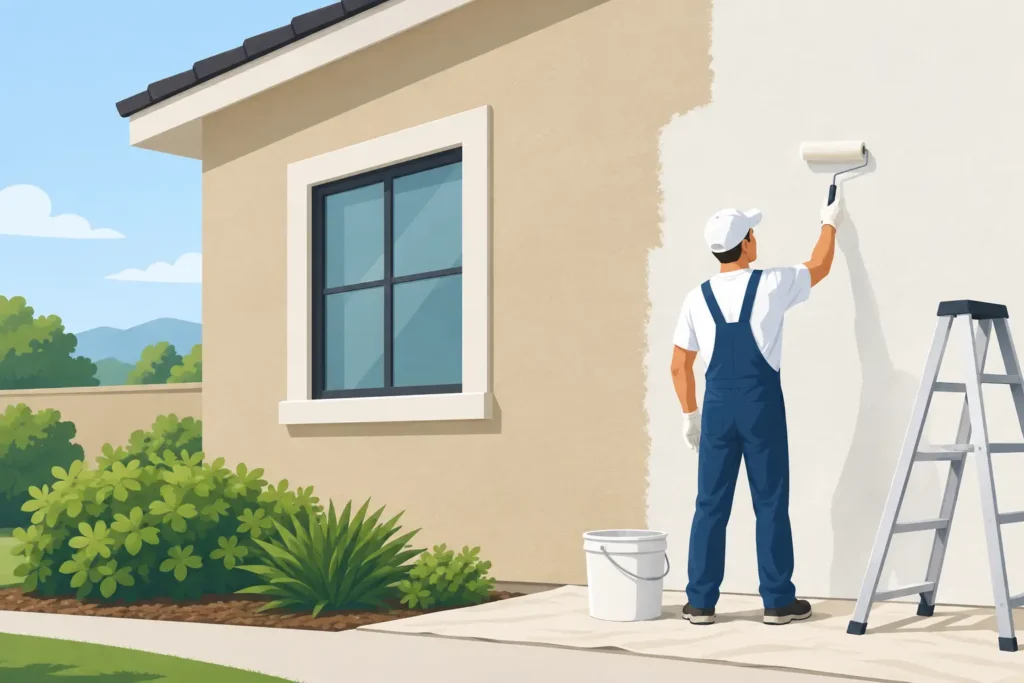
This matters outdoors as much as indoors. Exterior painting in the Toronto and GTA climate must account for temperature, humidity, moisture, sun exposure, and the condition of wood, stucco, brick, metal, or siding. Applying the wrong product, painting over unstable material, or working in poor conditions can shorten the life of the finish substantially.
DIY painters can achieve good results when they commit to preparation. The challenge is that prep is slow, dusty, and easy to underestimate. Professionals build it into the job because they know the final coat is only as reliable as the surface underneath.
Finish Quality Shows in the Details
Most people can tell when a paint job looks clean, even if they cannot explain why. Straight cut lines, consistent coverage, smooth walls, clean corners, properly finished trim, and no paint on hardware or flooring all contribute to a professional result.
Painting large wall areas is usually manageable for a careful homeowner. Ceilings, baseboards, crown molding, doors, cabinets, stairwells, and window trim require more control. Doors can show brush marks. Cabinets can chip if the wrong coating is used. Dark colors and high-sheen paints reveal roller marks, dents, and patchwork more readily than flat, light-colored paint.
The right tools matter, but technique matters just as much. Professional painters select roller nap, brush type, primer, and finish based on the surface and product. They maintain a wet edge, apply consistent coats, and allow proper drying and curing time. Those details create a finish that looks intentional rather than rushed.
Time, Disruption, and Cleanup Should Be Part of the Decision
A homeowner may plan to paint a living room in one day and find that moving furniture, repairing walls, taping, priming, applying two coats, and cleaning up takes an entire weekend. If the room has high ceilings or extensive trim, it can stretch much longer.
A professional crew works with a defined process. The team protects the work area, organizes materials, completes preparation efficiently, and cleans up at the end of the project. For occupied homes, condos, and workplaces, this organized approach reduces disruption and keeps the property usable.
DIY may still be the right choice if you enjoy the work and have flexibility in your schedule. It is less suitable when a property must be ready for tenants, listing photos, a renovation deadline, a reopening date, or a family event. In those cases, dependable scheduling and a clear completion plan are part of the service.
Safety and Liability Are Not Minor Details
Painting carries risks that are easy to overlook. Ladders, high ceilings, exterior elevations, dust from sanding, lead concerns in older buildings, and strong coating fumes all require care. Commercial sites may also involve lift equipment, restricted areas, active traffic, or regulations around safety and access.
Licensed, bonded, and insured painting contractors are equipped to manage work that carries greater risk. That coverage matters when crews are working in a condo common area, a business, a rental property, or around valuable finishes and equipment. It also gives owners a clear point of responsibility if questions arise during the project.
For a simple wall repaint, a homeowner can manage safety with basic precautions. For elevated exterior work, extensive repairs, specialty coatings, or a large occupied property, professional oversight is the safer choice.
When DIY Makes Sense and When It Does Not
DIY is a practical route when the area is small, the walls are in good condition, the color is forgiving, and there is no urgency. A guest bedroom, home office, or low-traffic room can be a good place to put in the effort and save on labor.
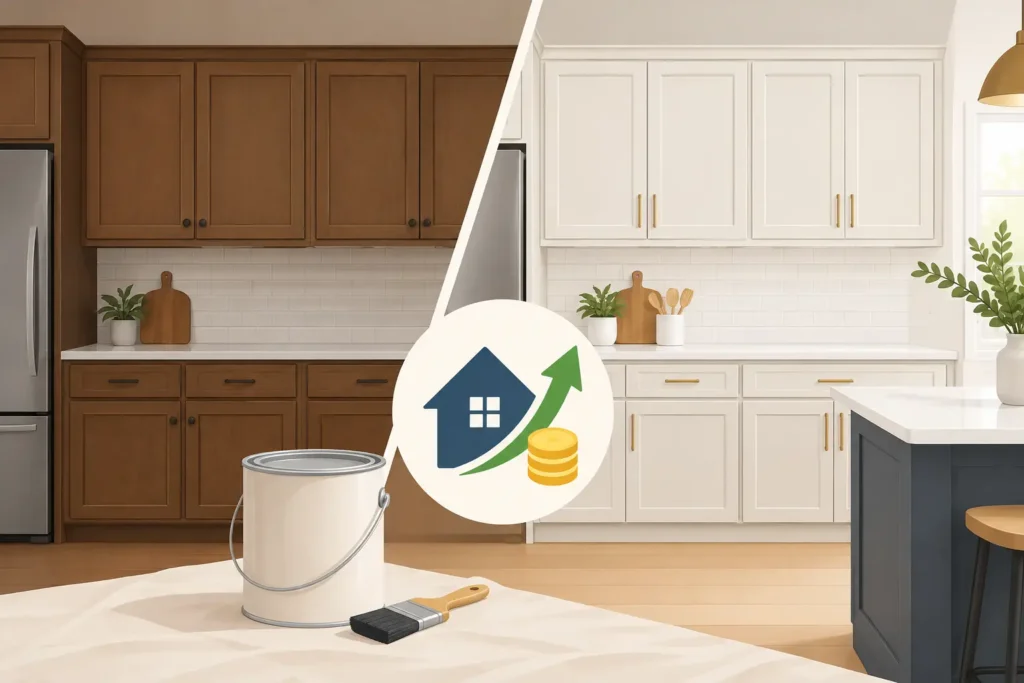
Hiring professionals is usually the stronger investment for projects where appearance, durability, timing, or risk matters. This includes whole-home repaints, exterior painting, cabinets, detailed trim, ceilings, drywall repairs, rental turnovers, commercial interiors, warehouses, and any project where poor execution will be costly to correct.
JXF Painting Service approaches each job with an on-site assessment rather than a one-size-fits-all answer. The right recommendation depends on the condition of the surfaces, the use of the space, the required finish, and the deadline.
Before buying paint or booking a crew, walk through the space honestly. If the job requires more preparation, equipment, or time than you can reasonably give it, a detailed professional quote can prevent the expensive kind of DIY lesson. A good paint job should make the property look better and make ownership easier, not create another project a few months later.