
A brown ceiling ring over a kitchen sink or a soft, bubbling patch of drywall is not a painting problem first. It is a moisture problem. So, can painters fix water damage? A qualified painting contractor can repair and refinish many of the visible surfaces affected by water, but only after the source of the water has been found, stopped, and properly dried.
Painting over a stain too soon may make the room look better for a few weeks. Then the stain returns, the paint peels, drywall swells, or mold appears behind the finish. The right repair sequence protects the appearance of the property and prevents repeat work.
Can Painters Fix Water Damage on Walls and Ceilings?
Painters can often fix the finish damage caused by a leak, including stained drywall, damaged joint compound, peeling paint, cracked ceiling texture, and water-marked trim. Many professional painting teams also handle minor drywall repair, patching, sanding, priming, and repainting as part of one coordinated job.
What painters cannot do is repair the failed roof, plumbing line, appliance connection, foundation crack, or exterior drainage issue that caused the damage. If water is still entering the building, no primer or topcoat will provide a lasting solution.
The distinction matters for homeowners, landlords, and facility managers. A cosmetic repair is appropriate when the material is dry, stable, and free from contamination. A larger restoration project is needed when drywall has lost its structural integrity, insulation is wet, framing remains damp, or there is a mold concern.
The First Step Is Stopping the Water Source
Before any painting work begins, identify where the water came from. A ceiling stain may result from a bathroom leak above, a roof issue, condensation around ductwork, or a plumbing failure several feet away from the visible mark. Water travels along framing and pipes, so the stain is not always directly below the leak.
For an active plumbing leak, call a licensed plumber. For roof penetration or exterior flashing failure, bring in a qualified roofing contractor. If the damage follows a flood, sewer backup, or major appliance failure, a water restoration company may be necessary to remove water, dry materials, and evaluate contamination.
This is not unnecessary caution. Paint applied over damp drywall traps moisture in the assembly. The finish may blister, and the wall or ceiling can continue to deteriorate out of sight. In commercial spaces, ignoring the source can also lead to business disruption, tenant complaints, and avoidable maintenance costs.
How Professionals Assess Water-Damaged Surfaces
A proper assessment starts with more than looking at the stain. The contractor checks whether the area feels soft, swollen, cracked, or loose. They also look for peeling paint, sagging ceiling board, rusted fasteners, odor, visible mold growth, and signs that moisture is spreading beyond the original spot.
Drying time depends on the extent of the leak, the materials involved, airflow, humidity, and whether insulation or framing was affected. A small leak caught early may leave drywall intact once it has dried completely. A long-term leak can turn drywall chalky and weak, even if the surface later feels dry.
A moisture meter is useful when there is doubt. It helps confirm whether the repair area is ready for patching and painting. For property owners, this is a worthwhile checkpoint because it separates a durable repair from a quick cover-up.
When Drywall Can Be Repaired
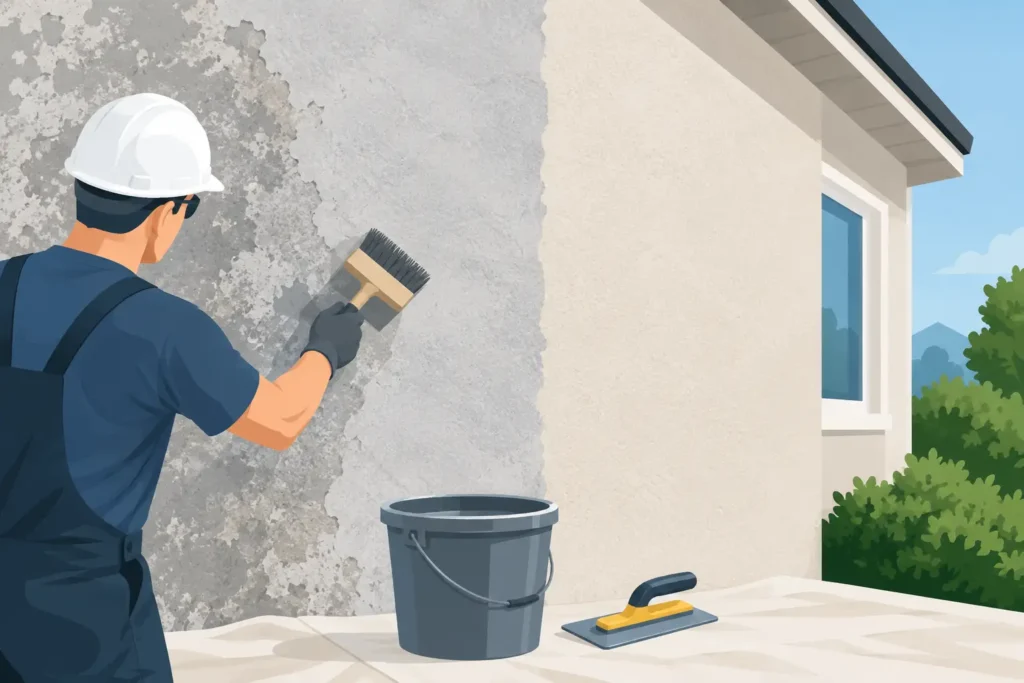
Drywall can often be repaired when the water exposure was limited, the board remains firm, and there is no mold or persistent dampness. In these cases, the painter may scrape loose material, repair shallow damage with compound, sand the surface smooth, spot-prime, and repaint the affected wall or ceiling.
Water stains require the right primer. Standard wall paint is not designed to block tannins, rust, nicotine, or water discoloration from bleeding through. A stain-blocking primer creates a sealed base so the new finish remains even and clean.
When Drywall Should Be Replaced
Replacement is usually the better choice when drywall is soft, swollen, crumbling, sagging, or extensively stained. It is also appropriate when water has entered the wall cavity, saturated insulation, or created conditions for mold growth. Damaged ceiling drywall deserves special attention because weakened panels can become a safety issue.
The affected section is removed, the cavity is inspected and dried, and new drywall is installed. After taping, mudding, sanding, priming, and painting, the repaired area should blend into the surrounding surface. On ceilings and large walls, repainting the full plane often produces a more consistent finish than touching up one small section.
What a Proper Water Damage Paint Repair Includes
The visible finish is only as good as the preparation underneath it. A professional repair generally follows a clear process: confirm that the water source has been corrected, verify that affected materials are dry, remove compromised drywall or peeling paint, repair and sand the surface, apply a stain-blocking primer, and repaint with a suitable finish.
Texture can add another layer of work. Smooth drywall is straightforward to patch, but popcorn ceilings, knockdown texture, and orange-peel walls need careful blending. If the original texture is aged or heavily painted, a perfect spot repair may be difficult. In that situation, refinishing a larger section can provide a cleaner result.
Trim, baseboards, doors, and cabinets may also need attention. Wood expands when wet and can remain warped after drying. Painted trim with minor surface staining can sometimes be sanded, primed, and repainted. Swollen MDF baseboards, delaminated cabinet panels, and warped door components may need replacement rather than paint.
Mold Changes the Scope of the Job
Mold is not something to paint over. If there is visible growth, a musty odor, or a history of prolonged water exposure, the affected materials should be assessed before cosmetic work begins. Small, isolated surface issues may be addressed after the moisture problem is corrected, but widespread growth or contaminated materials call for specialized remediation.
The goal is not simply to make the mark disappear. It is to remove or address the conditions that allow mold to grow. Once that work is complete and the area is dry, painting can restore the appearance of the space with confidence.
For rentals, condo units, offices, and retail properties, documenting the source repair and drying process is particularly useful. It supports clear communication between owners, managers, tenants, insurers, and contractors, while helping prevent disagreements about whether the issue was properly resolved.
Why Painting Too Soon Costs More
The lowest upfront price is often a spot coat of paint over a stain. It is also the option most likely to fail when the underlying problem has not been addressed. Stains can bleed back through, bubbling paint can return, and a hidden leak can damage a larger area before anyone notices.
A proper scope may cost more when drywall needs to be opened, insulation replaced, or texture matched. But it avoids paying twice for the same wall or ceiling. It also helps preserve property value, especially when a home is being prepared for sale or a commercial space needs to maintain a professional appearance.
At JXF Painting Service, the practical approach is to assess the condition of the surface before recommending drywall repair and repainting. The objective is a clean, durable finish, not a temporary patch that leaves the owner with the same problem later.
When to Call a Painter After Water Damage
Call a painter once the leak has been repaired and the damaged area is confirmed dry. Have the contractor inspect the surface if you see a water ring, peeling paint, bubbling drywall tape, cracked compound, or discoloration that remains after drying. They can determine whether the area needs preparation and repainting or whether drywall replacement should happen first.
If the damage is active, widespread, soft to the touch, or associated with mold, address the water and restoration work before scheduling painting. That order may feel slower, but it is the fastest way to achieve a repair that lasts.
A repaired wall should do more than look freshly painted. It should be dry, stable, properly sealed, and ready to stay that way.