

A roof can look serviceable from the ground while its protective finish is already failing. Fading, chalking, rust spots, peeling coatings, and exposed fasteners are early warnings that moisture and UV exposure are gaining ground. Professional roof painting services address those weaknesses before they become larger repair issues, helping property owners protect the building, improve curb appeal, and extend the usable life of an appropriate roof system.
For homeowners, landlords, facility managers, and business owners, the right project starts with an honest assessment. Not every roof should be painted, and paint alone will not correct leaks, damaged decking, failed flashing, or widespread material failure. A qualified contractor identifies whether a roof is a suitable candidate, prepares the surface correctly, and applies a coating system built for the roof material and its exposure.
When Roof Painting Services Make Sense
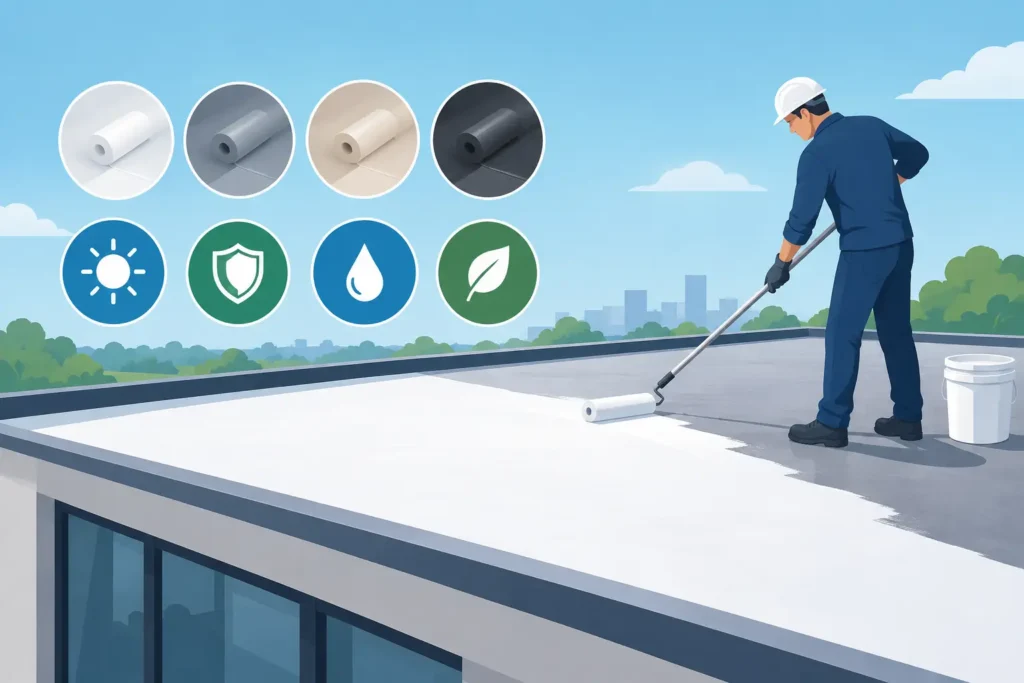
Roof painting is most effective when the roof substrate remains structurally sound but its existing finish has deteriorated. Metal roofs are common candidates because a properly prepared and coated metal surface can gain another layer of protection against oxidation, moisture, and sun damage. Commercial metal panels, corrugated roofs, standing-seam systems, and certain coated roof surfaces can often benefit from repainting.
A coating project may also make sense when a property owner wants to refresh a faded roof color, improve the appearance of a commercial property, or maintain a roof before corrosion spreads. On industrial and commercial buildings, appearance matters, but maintenance is usually the bigger concern. Small areas of coating failure can expose metal to water and accelerate rust, particularly around seams, fasteners, penetrations, and roof edges.
It depends on the roof material and condition. Asphalt shingles generally should not be treated like a metal roof, and a roof with major leaks or soft areas needs repair or replacement evaluation first. The goal is not to put a fresh color over a failing surface. The goal is to create a durable protective finish on a roof that is still worth preserving.
What a Professional Roof Painting Project Includes
A lasting result is driven by preparation, not just the final coat. Roof surfaces collect dirt, airborne contaminants, loose oxidation, mildew, and debris that can prevent proper adhesion. Skipping surface preparation may reduce labor up front, but it often leads to early peeling, uneven coverage, and a coating that does not perform as intended.
Inspection and Project Scoping
The first step is an on-site review of the roof type, access conditions, existing coating, visible rust, drainage patterns, and areas requiring repair. This assessment helps determine whether the work should include pressure washing, scraping, sanding, rust treatment, caulking, priming, or localized repairs before painting begins.
For commercial and industrial properties, scoping also considers operational requirements. A warehouse, retail building, office, or condo property may need work scheduled around tenants, deliveries, customer traffic, or weather-sensitive operations. Clear planning reduces disruption and gives the owner a realistic view of timing and cost.
Surface Cleaning and Repairs
A clean, dry, stable surface is essential. Crews remove debris, clean the roof as required, and allow adequate drying time before coatings are applied. Loose or flaking paint must be removed, while rusted areas may need mechanical preparation and a compatible rust-inhibiting primer.
Problem areas deserve close attention. Fasteners may require sealing, minor gaps may need appropriate caulking, and damaged sections should be addressed before painting. Paint can protect a prepared surface, but it is not a substitute for correcting active water entry points or failed roof components.
Primer and Coating Application
The primer must match the substrate and the coating system. Bare or rust-affected metal often requires a primer designed to support adhesion and corrosion resistance. Once primed, the roof receives a professional-grade coating selected for exterior exposure, temperature changes, rain, UV light, and the specific roof material.
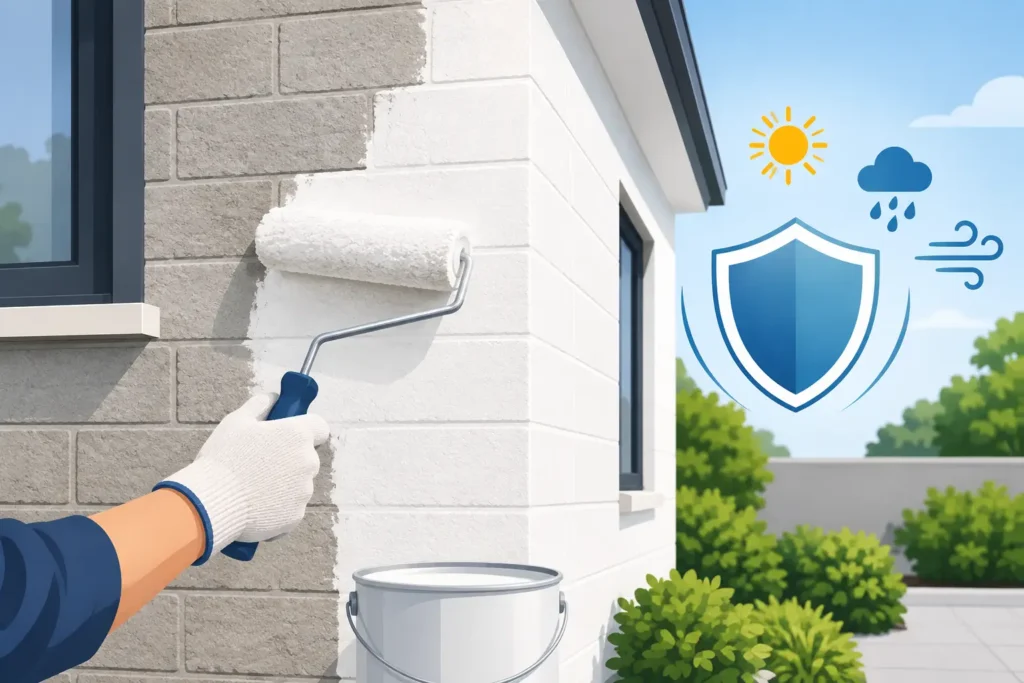
Application method matters as well. Depending on the roof, coatings may be sprayed, rolled, or brushed into detailed areas. Spray application can provide efficient, even coverage across large metal panels, while brushes and rollers are useful around seams, edges, penetrations, and smaller sections. The right approach is determined by site conditions, overspray control, access, and manufacturer requirements.
Why Material Compatibility Matters
Roof coatings are not interchangeable. Applying an incompatible product can cause adhesion problems, bubbling, cracking, or premature failure. A roof with an existing coating may need a compatible topcoat, while exposed galvanized steel, painted metal, or previously repaired surfaces may each require different preparation and primer systems.
Color selection also involves more than appearance. Lighter colors may help reduce heat absorption on certain roofs, while darker finishes may better suit a building’s design or existing exterior palette. The practical choice depends on the building, local conditions, coating specifications, and the owner’s maintenance goals.
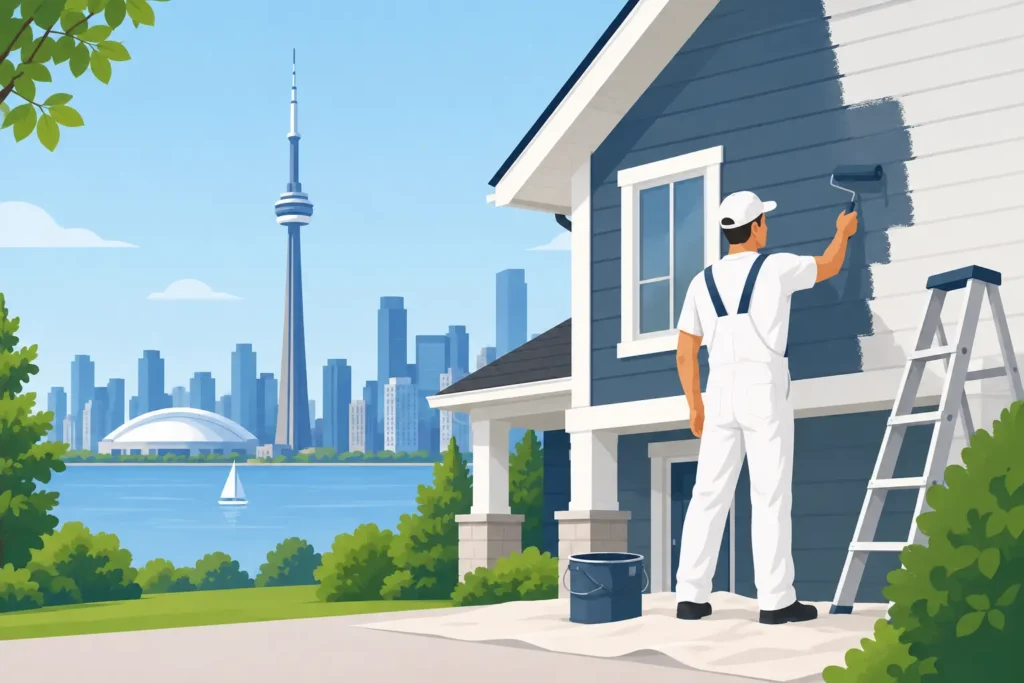
In the Greater Toronto Area, roofs face heavy rain, snow, freeze-thaw cycles, summer heat, and prolonged UV exposure. That combination makes product selection and dry-weather scheduling especially important. A coating applied outside the recommended temperature or moisture conditions can be compromised before it has a chance to cure properly.
The Cost of Waiting Too Long
Property owners often delay roof maintenance because the roof is not leaking yet. That can be a costly decision. Once corrosion gets beneath a failing coating, the repair scope can grow from surface preparation and repainting to panel replacement, flashing repairs, or broader roof work.
Early maintenance is usually more controlled. A contractor can clean and prepare localized problem areas, treat rust, restore coating protection, and improve the roof’s appearance before deterioration spreads. This is particularly valuable for commercial properties where visible rust or peeling finishes can affect the building’s image and signal deferred maintenance to tenants, customers, or inspectors.
That said, painting is not always the most economical answer. If the roof has extensive corrosion, repeated leaks, severely deteriorated panels, or underlying structural issues, replacement or specialized roof restoration may be the better long-term investment. A dependable contractor should explain that distinction instead of recommending paint for every roof.
Choosing a Contractor for Roof Painting
Roof work involves elevation, surface conditions, weather variables, and material-specific coating requirements. Choosing a contractor based only on the lowest quote can create avoidable risk. The better comparison is scope against scope: surface preparation, repairs, primer, number of coats, product type, access needs, protection of surrounding areas, cleanup, and warranty terms should all be clear.
Look for a licensed, bonded, and insured painting contractor with experience across residential, commercial, and industrial properties. Ask how the crew will manage safety, weather delays, overspray, and site cleanup. For a business or multi-unit property, confirm how the project will be coordinated to minimize disruption.
JXF Painting Service provides roof painting and exterior coating work with the practical project planning property owners expect. The process begins with an assessment of the roof condition and a clear, approved scope of work, so clients know what is being prepared, repaired, primed, and painted before the job starts.
Prepare Your Property for a Better Result
A few simple steps can make the work move more efficiently. Clear access around the building where possible, identify restricted areas or tenant concerns, and make the contractor aware of landscaping, vehicles, equipment, or entry points that need protection. Commercial clients should also communicate operating hours, delivery schedules, and any roof-access procedures before the project date.
The contractor should handle the technical preparation, containment, and cleanup, but good communication keeps the job organized. Weather may require schedule adjustments, especially for exterior coatings. A professional team will not rush an application onto a wet surface or during unsuitable conditions simply to meet an arbitrary date.
If your roof is fading, rusting, or showing signs of coating failure, arrange an on-site assessment while the issue is still manageable. A properly planned roof painting project can protect the surface you already own and keep your property looking maintained, professional, and ready for the seasons ahead.