

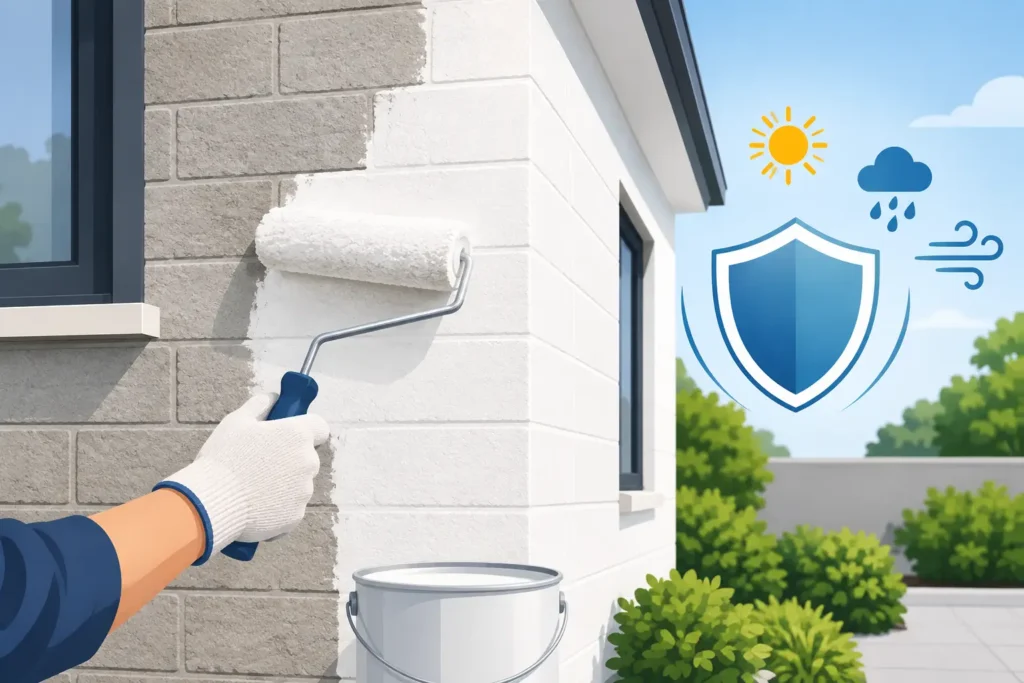

Toronto’s freeze-thaw cycles, humid summers, driving rain, and intense sun can expose weak exterior paint work fast. The best Toronto exterior painters do more than apply a fresh coat. They identify failing surfaces, complete the right preparation, select coatings suited to the material, and leave the property clean and protected.
A good-looking exterior is valuable, but durability is the real test. Whether you are maintaining a detached home, preparing a rental property, refreshing a storefront, or managing a larger commercial building, the contractor you hire should have a clear plan for the surfaces in front of them.
What the Best Toronto Exterior Painters Do Differently
Exterior painting is a surface-preparation job first and a painting job second. Paint cannot permanently correct rotted wood, loose caulking, peeling layers, cracked stucco, rust, or moisture problems. A contractor who promises a fast turnaround without discussing those conditions may be pricing only the visible work, not the work required for a lasting result.
A professional exterior painter starts with an on-site assessment. They should inspect siding, trim, fascia, soffits, doors, window frames, decks, fences, masonry, stucco, metal features, and other areas included in the scope. The goal is to determine what must be cleaned, scraped, sanded, repaired, primed, sealed, or replaced before finish coats are applied.
That assessment also helps set realistic expectations. A painted aluminum siding project is different from staining a cedar fence. Stucco needs a coating that can handle movement and texture. Older wood trim may require extensive scraping, spot priming, and caulking. The right process depends on the substrate, its current condition, and its exposure to weather.
Look Beyond the Lowest Estimate
A low quote can be appealing, especially when several areas need attention. However, exterior painting estimates are only comparable when the scope is comparable. One contractor may include washing, scraping, spot priming, caulking, two finish coats, and cleanup. Another may simply include paint application over the existing surface.
Ask for an estimate that clearly states the areas being painted, the prep work included, the number of coats, the paint or stain system, repair allowances, and any exclusions. If the contractor expects additional charges for damaged wood, major drywall-related exterior repairs, lift access, or extensive height work, that should be explained before the project begins.
Approved pricing should not mean vague pricing. It should mean you understand what is covered and what would change the cost. This protects the owner and helps the painting crew work efficiently without disputes once the job is underway.
Preparation should be specific
General statements such as “prep as needed” are not always enough. There are legitimate cases where the full extent of repairs cannot be known until loose paint is removed, but the contractor should still explain their standard approach.
For a typical painted wood exterior, preparation may include pressure washing or hand washing where appropriate, scraping failing paint, sanding rough edges, filling minor defects, caulking open joints, spot priming bare areas, and protecting landscaping, walkways, windows, and fixtures. Pressure washing is useful, but it is not automatically the right answer for every surface. Excessive pressure can force water behind siding, damage soft wood, or worsen failing mortar.
Choose the Right Coating for Each Surface
Exterior materials do not all accept the same paint. The best result comes from matching the product system to the surface and the conditions it faces.
A quality exterior acrylic paint is commonly used for siding and trim because it offers flexibility, adhesion, and weather resistance. Bare wood may need a primer before topcoats are applied. Metal railings, doors, and fixtures often require rust removal and a compatible metal primer. Stucco and masonry need breathable, durable coatings that work with textured surfaces. Decks and fences are typically better served by a stain or specialized coating designed to handle foot traffic, moisture, and UV exposure.
Product choice also affects maintenance. Deep, dark exterior colors can create a striking finish, but they absorb more heat and may show fading or surface movement sooner on certain materials. Very bright whites look clean, yet they can highlight dirt, staining, and imperfections. A knowledgeable contractor can explain these trade-offs instead of simply applying the most popular color.
Timing Matters in Toronto’s Climate
Exterior painting requires suitable weather conditions, not just an open date on the calendar. Temperature, humidity, rain risk, wind, and overnight conditions all influence curing and adhesion. A surface may feel dry to the touch but still hold moisture from rain, condensation, or morning dew.
Spring through early fall is often the preferred exterior painting season, but the calendar alone does not determine whether painting can proceed. Product requirements matter. Some coatings can be applied in cooler weather than others, while certain jobs need warm, dry conditions for reliable performance.
A dependable contractor monitors the forecast and adjusts the schedule when needed. That can be inconvenient in the short term, but painting through unsuitable conditions is more expensive when premature peeling or blistering follows. A professional crew protects quality first while communicating clearly about any weather-related changes.
Check Credentials, Safety, and Site Protection
Exterior work can involve ladders, scaffolding, lifts, power tools, and work around landscaping, vehicles, tenants, customers, or pedestrians. Hiring an insured, licensed, and bonded contractor is a practical risk-management decision, not just a box to check.
Ask how the crew handles site safety and property protection. For a home, that may mean covering shrubs, moving outdoor furniture, protecting pavers, and masking windows. For a commercial property, it may include coordinating access, setting up work zones, scheduling around customer traffic, and keeping entrances usable whenever possible.
Cleanliness is part of workmanship. Paint chips, sanding dust, empty containers, and overspray should not become the owner’s problem at the end of the day. A professional team maintains an orderly work area and completes a final walkthrough before calling the project finished.
Exterior Painting for Homes, Businesses, and Multi-Unit Properties
The project type changes the planning. Homeowners often focus on curb appeal, protection from weather, and increasing property value. Landlords may need durable finishes between tenancies with minimal disruption. Business owners need an exterior that reflects their brand while keeping operations moving. Condo boards and facility managers need clear communication, safe access plans, documented scope, and reliable scheduling across larger properties.
This is where broad experience matters. A contractor that can handle exterior house painting, stucco painting, deck and fence staining, trim work, warehouse exteriors, office properties, and other commercial surfaces can scale the process to the building rather than forcing every job into the same approach.
JXF Painting Service brings that practical capability to residential, commercial, industrial, and condo projects across Toronto and the GTA. Since 1999, the focus has been on professional preparation, dependable execution, clean job sites, and finishes that hold up under real conditions.
Questions Worth Asking Before You Hire
A short conversation can reveal whether a contractor has a working plan or is only selling a quick paint job. Ask what preparation is included, which products will be used, how repairs are handled, how weather delays are communicated, and who will supervise the work.
Also ask whether the crew has experience with your specific surface. Painting vinyl siding, aged cedar, brick, stucco, aluminum, metal, or previously coated wood each presents different adhesion and preparation concerns. A clear answer is more valuable than a broad promise.
Do not overlook scheduling and access. If you have tenants, pets, customers, deliveries, parking restrictions, or limited exterior space, discuss them before the work starts. The right contractor plans around real site conditions instead of treating them as last-minute obstacles.
Get a Result That Lasts Beyond the First Season
Fresh exterior paint should make a property look sharper immediately, but the better measure is how it performs after rain, heat, snow, and another Toronto winter. That comes down to thorough surface preparation, compatible products, skilled application, and a crew that does not cut corners when conditions get difficult.
Choose a painter who takes the time to assess the building, explain the work, provide clear pricing, and protect the property from start to finish. A well-planned exterior painting project gives you more than a new color. It gives your property a stronger, cleaner, more durable finish for the years ahead.