


A fresh paint job can look excellent on the final walkthrough and still reveal problems months later. That is why painting warranty reviews deserve more attention than a star rating or a vague promise of guaranteed work. They can show whether a contractor stands behind prep work, returns calls when an issue appears, and handles legitimate defects without making the customer fight for every answer.
For homeowners, landlords, condo managers, and facility teams, a painting warranty is not simply a marketing line. It is part of the working relationship after the crew has packed up. The strongest reviews explain what happened, how the contractor responded, and whether the result held up over time.
What Painting Warranty Reviews Can Actually Reveal
A review that says, “Great warranty,” is positive, but it does not tell you much. Look for details about the type of issue, when it appeared, and what the painter did next. Peeling on properly prepared siding, blistering caused by an application error, paint separating from repaired drywall, or premature failure on trim may point to workmanship concerns. A reliable contractor should inspect the problem, identify the likely cause, and explain the repair plan clearly.
The most useful painting warranty reviews usually mention responsiveness. Did the contractor schedule an inspection promptly? Did they communicate a realistic timeline? Did they complete touch-ups cleanly and protect the surrounding property during the return visit? These practical details are more meaningful than broad claims about customer service.
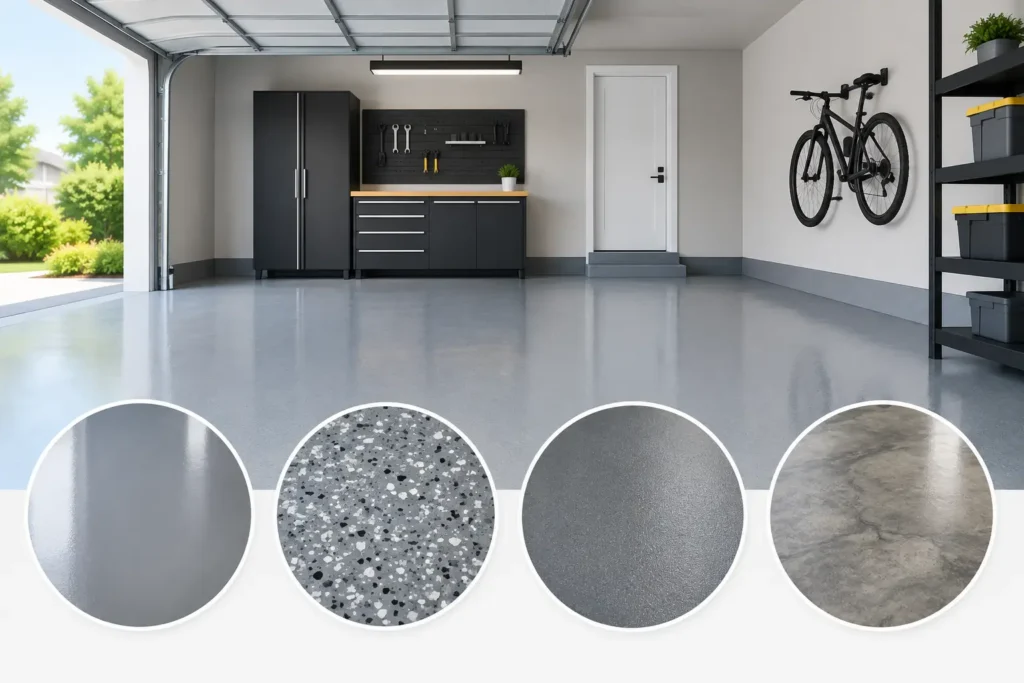
For commercial and industrial properties, pay attention to reviews from projects with similar demands. An office repaint, warehouse floor coating, underground garage, retail space, and exterior residential project all face different conditions. A warranty response that works well for an interior bedroom is not automatically evidence of expertise with high-traffic epoxy floors or weather-exposed exterior surfaces.
A Warranty Is Not the Same as a Maintenance Plan
A painting warranty generally covers defects tied to workmanship and, in some cases, specified product performance. It does not mean every mark, crack, stain, or failure will be repaired at no charge forever. Honest contractors set that expectation before work begins.
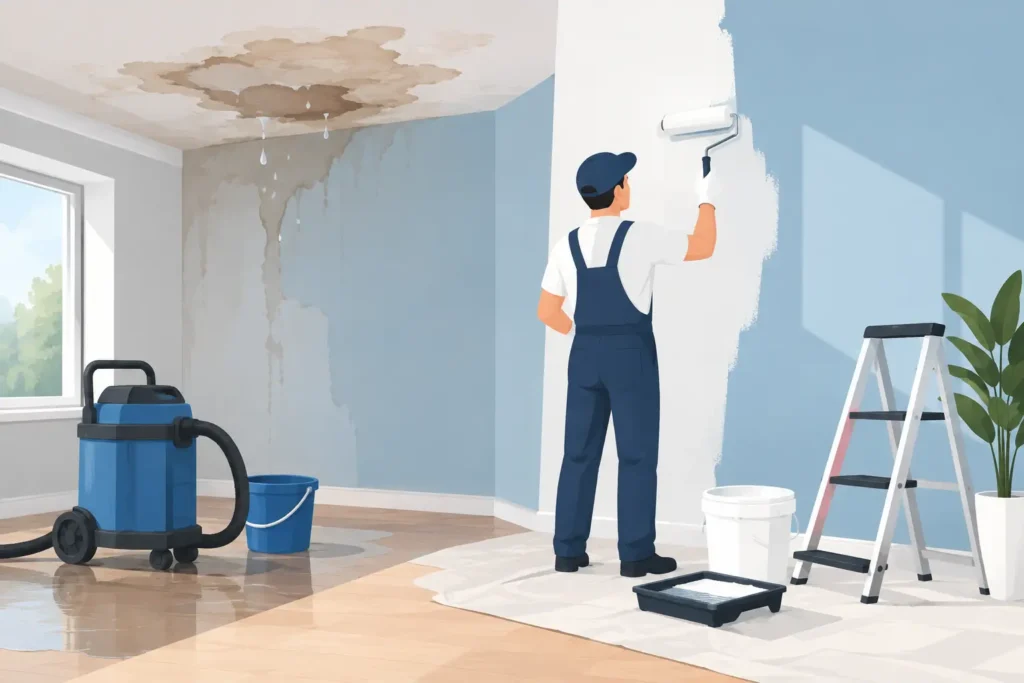
Normal wear is not a workmanship failure. Scuffs in a busy hallway, scratches from moving furniture, grease near a commercial kitchen, impact damage in a warehouse, and fading from strong sun exposure can all affect painted surfaces. Water intrusion, roof leaks, foundation movement, poor ventilation, moisture behind walls, and structural settling can also cause paint failure that no painter can solve with another coat of paint.
This distinction matters because some negative reviews are based on misunderstandings rather than poor service. A professional contractor should still explain the cause respectfully and offer a practical repair recommendation when the issue falls outside the warranty. The right response is not just “not covered.” It is a clear explanation of what happened and what needs to be corrected before repainting.
Read for Specifics, Not Just Praise or Frustration
Online reviews are most valuable when you read patterns across several comments. One glowing review or one angry review rarely tells the full story. Look for repeated evidence about communication, preparation, cleanliness, scheduling, and post-project support.
Positive warranty-related feedback often includes a contractor returning to address minor touch-ups, correcting an issue discovered after drying, or responding professionally to a concern. Those are good signs, especially when the customer describes the response as organized and straightforward rather than reluctant.
Negative feedback deserves a closer look as well. Ask yourself whether the reviewer explains the situation. Was the complaint about an actual paint defect, a delayed response, a disagreement about scope, or a condition that existed before painting? A detailed complaint is not automatically a reason to reject a contractor, but it should prompt better questions during the estimate process.
Be cautious with reviews that use only extremes. Comments such as “best company ever” or “total disaster” may be genuine, but they offer little decision-making value without specifics. A credible review usually identifies the project type, the concern, the contractor’s response, and the final outcome.
Signs a Review Describes Real Warranty Support
A useful review will often mention that the contractor inspected the surface rather than diagnosing the problem by phone. It may explain that the crew fixed a missed area, repaired failing paint after determining the cause, or clarified why a moisture issue had to be addressed first.
Also look for reasonable timing. A contractor cannot always send a crew the same day, particularly during peak exterior painting season or on large commercial schedules. Still, there should be acknowledgement, a plan, and follow-through. Silence, repeated missed appointments, or unclear answers are more concerning than a realistic service timeline.
Questions to Ask Before You Approve a Painting Quote
The best time to understand a warranty is before the job begins, not after a problem appears. Ask for the warranty terms in writing and make sure they match the actual project scope. A short conversation during the estimate can prevent major confusion later.
Ask what is covered and for how long. Then ask what is excluded. A good contractor should be able to explain how moisture, pre-existing coating failure, substrate damage, building movement, customer-supplied materials, and accidental damage affect coverage.
You should also ask what preparation is included. Paint warranties are only as meaningful as the prep behind them. For an interior project, that may include drywall repair, sanding, caulking, spot priming, and protecting floors and furnishings. For exterior work, it can involve scraping loose paint, surface cleaning, priming bare areas, sealing gaps, and identifying deteriorated wood or stucco before coating begins.
For commercial properties, clarify access requirements and operating conditions. If painting must be completed around tenants, staff, inventory, vehicles, or public traffic, the proposal should explain how the work area will be protected and how disruptions will be controlled. Where coatings have special performance requirements, such as epoxy floors, roof coatings, or parking garage surfaces, confirm the recommended system and the conditions needed for proper curing.
Finally, ask how a service request is handled. Who should you contact? What photos or information will be needed? Will the contractor inspect the concern in person? A clear process is a strong sign that the company expects to stand behind its work.
The Contract Matters More Than the Advertisement
A warranty statement is only useful when it is connected to a detailed scope of work. The contract or written proposal should identify the surfaces to be painted, the preparation steps, the products or coating system, the number of coats where applicable, and any repairs included in the approved price.
This protects both sides. The property owner knows what is being delivered, and the painter has a clear standard for the completed project. Without a defined scope, warranty disputes can quickly become arguments about what was included in the first place.
For example, if a wall has ongoing moisture damage, simply applying paint may improve its appearance temporarily but will not correct the source. A responsible painting contractor should identify that limitation before starting. Likewise, painting over unstable, peeling coatings without appropriate removal or priming may create a lower upfront price, but it can reduce durability and complicate future warranty expectations.
Why Preparation and Product Choice Affect Coverage
Customers often focus on the paint brand, but product selection is only one part of long-term performance. The surface condition, cleaning process, primer, application method, temperature, humidity, drying time, and number of coats all affect the finish.
A higher-grade coating can be a smart investment in high-use areas, rental units, exterior trim, offices, and retail spaces. However, premium paint cannot overcome wet drywall, loose stucco, failing caulk, contaminated metal, or poorly repaired surfaces. Good warranty practices begin with an honest assessment of what the surface needs before paint is applied.
This is where experienced painting teams add real value. They can separate cosmetic issues from conditions that require repair, recommend an appropriate system, and document the agreed scope. JXF Painting Service approaches projects with that practical focus, whether the work involves a single home interior or a multi-area commercial property.
Use Reviews to Set Expectations, Not Replace Due Diligence
Painting warranty reviews are one part of choosing a contractor, not the entire decision. Verify that the company is properly insured, review the written quote, compare preparation details, and make sure the communication is clear before any work is scheduled. Price matters, but an unusually low estimate may leave out the prep and protection that make a finish last.
A dependable warranty is valuable because it reflects accountability after the paint dries. Before approving your next project, ask for clear terms, read reviews for evidence of real follow-up, and choose a painter who is prepared to explain the work in plain language.