

A faded front elevation, peeling trim, or bare patches on siding are more than curb-appeal problems. They can leave wood, stucco, and other exterior surfaces exposed to moisture and seasonal wear. When comparing exterior house painters North York homeowners should look beyond the color card and the lowest estimate. The quality of the preparation, coating system, crew discipline, and project communication will determine how the finished work looks and how long it lasts.
1. Start With a Detailed Exterior Assessment
A reliable painting project begins with an on-site look at the property. Exterior conditions can vary significantly from one side of the home to another. A south-facing wall may have sun fading, while shaded areas may show mildew, algae, or trapped moisture. Wood trim can develop rot near gutters, and stucco may have hairline cracks that need attention before paint is applied.
A professional assessment should identify the surface materials, their current condition, access requirements, and any repairs needed before painting begins. This is also the time to discuss problem areas such as peeling paint, damaged caulking, rusty metal details, cracked window trim, and water stains. Painting over these conditions may improve appearance for a short time, but it does not correct the cause.
Ask whether the quote includes surface repairs, caulking, priming, pressure washing or hand washing, scraping, sanding, and protection for landscaping and hardscapes. A vague price often becomes a vague scope of work. A detailed scope gives both the homeowner and contractor a clear standard for the job.
2. Preparation Is the Work That Protects the Finish
Most exterior paint failures are preparation failures. Fresh paint cannot permanently bond to loose paint, chalky siding, dirty brick, damp wood, or unsealed repairs. The visible painting stage may move quickly, but the preparation stage is where professional crews earn their value.
The right process depends on the surface. Wood may require scraping, sanding, spot priming, and new caulking at joints. Stucco may need crack repair and a compatible masonry coating. Aluminum or vinyl siding needs proper cleaning and a coating formulated for the material. Metal railings, doors, and decorative components often need rust removal and an appropriate metal primer.
There is no single preparation method for every house. Aggressive washing, for example, can force water behind siding or into openings if used carelessly. Conversely, skipping cleaning can leave a film that weakens adhesion. Experienced painters choose the method based on the surface, weather conditions, and the specific coating system being used.
3. Confirm the Paint System, Not Just the Brand
A good exterior paint is only one part of a good job. Homeowners should ask what primer and finish coatings will be used, how many coats are included, and why those products fit their surfaces. The answer should be practical, not a sales pitch.
For example, bare wood and repaired areas typically need spot priming before finish coats. Previously painted siding in sound condition may only need cleaning, light sanding in problem spots, and high-quality exterior acrylic paint. Stucco requires a breathable coating that can handle movement and weather exposure. Dark color changes, especially over light surfaces, can require extra coverage or a tinted primer.
Color selection also has performance implications. Very dark colors absorb more heat, which can put added stress on wood, composite trim, and some siding materials. They can look excellent when specified correctly, but they are not always the right choice for every surface. A contractor should be willing to explain that trade-off before work starts.
4. Ask Exterior House Painters North York About Weather Planning
Exterior painting is a weather-dependent service. Temperature, humidity, overnight moisture, wind, and rain all affect how coatings dry and cure. A professional contractor does not simply paint because a date is booked. The crew monitors conditions and adjusts the schedule when needed to protect the result.
This matters particularly during spring and fall, when cool nights and changing forecasts can shorten the workable window. Paint applied too close to rain may wash, streak, or fail to bond correctly. Painting damp surfaces can trap moisture beneath the finish. Very hot direct sunlight can cause paint to dry too fast and leave visible lap marks or poor adhesion.
Ask how the contractor handles weather delays and whether the estimate accounts for return visits if conditions interrupt the work. A short delay is better than a finish that starts peeling after one season. Dependable project delivery means protecting the work, not rushing it.
5. Review the Crew’s Safety, Protection, and Cleanup Standards
Exterior painting involves ladders, extension equipment, overspray risks, and work around windows, gardens, driveways, and neighboring properties. The contractor should have a clear plan for access, site protection, and daily cleanup.
Before work begins, confirm how plants, decks, walkways, outdoor furniture, vehicles, and windows will be protected. If spraying is part of the plan, ask where masking will be used and how overspray will be controlled. Spraying can be efficient and can produce an excellent finish on the right surfaces, but it requires careful containment and experienced application.
Insurance and proper business credentials matter as well. Exterior work carries real risks, particularly on multi-story homes or properties with difficult access. Hiring an insured, established contractor reduces uncertainty for the property owner and shows that the company operates professionally.
Cleanup should be part of the scope, not an afterthought. At the end of each workday, the site should be orderly, tools secured, and walkways usable. When the project is complete, paint chips, masking materials, and debris should be removed so the home looks finished, not like an active worksite.
6. Compare Quotes by Scope and Workmanship
The lowest quote is not automatically the best value. One contractor may include two finish coats, repairs, premium primer, full caulking, and surface cleaning, while another may price only a basic repaint. Those proposals are not equivalent, even if both use the phrase “exterior painting.”
Compare estimates line by line. Check the surfaces included, prep work, number of coats, paint products, repair allowances, access equipment, protection measures, and cleanup. Clarify whether the price includes trim, shutters, doors, soffits, fascia, railings, detached garages, decks, or fences. These details are often the source of unexpected add-ons when they are not addressed in advance.
It is also reasonable to ask about scheduling, crew size, expected project duration, payment terms, and workmanship coverage. A clear estimate demonstrates that the contractor has thought through the job. It also makes it easier to hold everyone accountable to approved pricing and agreed results.
7. Choose a Contractor That Can Handle the Whole Property
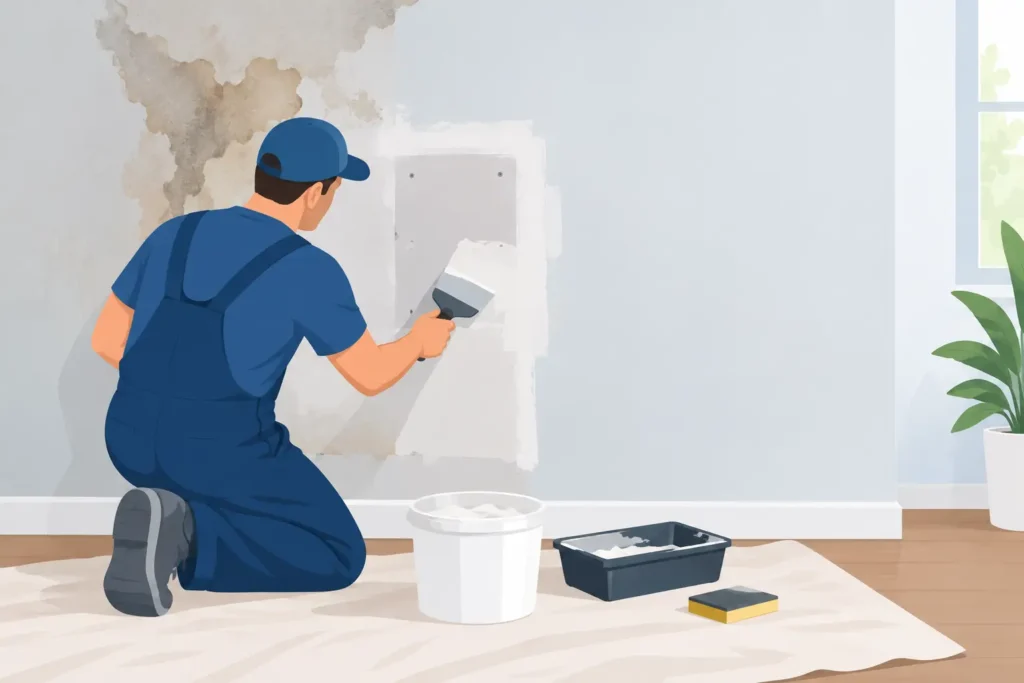
Exterior work often reveals related maintenance needs. A peeling window casing may need minor wood repair. Damaged drywall near an exterior leak may require interior attention after the source is fixed. A faded deck or fence may benefit from staining while the crew is already preparing the property.
Using a full-service painting contractor can make these connected projects easier to manage. JXF Painting Service provides exterior painting along with repairs, trim and door painting, stucco painting, deck and fence staining, and other residential and commercial finishing services across the GTA. That broader capability can be especially useful when a home needs more than a straightforward repaint.
The right contractor will not push unnecessary work. They will explain what should be addressed now, what can wait, and what needs a separate repair specialist before painting can proceed. That kind of judgment protects your budget and the finish.
A well-painted exterior should look sharp on day one, but the real test comes after heat, rain, snow, and another full cycle of changing seasons. Choose a crew that treats preparation, product selection, safety, and communication as part of the paint job. A careful on-site quote is the best place to start.