


Fresh paint can make a home feel newer, brighter, and better cared for in a matter of days. But the difference between a strong result and a frustrating one usually comes down to the residential painters you hire. Good painters do more than apply paint. They protect surfaces, repair flaws, manage the job properly, and leave you with a finish that holds up.
For homeowners, that matters because paint is not just cosmetic. Interior and exterior painting both affect property value, maintenance costs, and how comfortable your home feels day to day. If the work is rushed or the prep is weak, the problems show up fast – peeling, flashing, uneven coverage, messy cut lines, and damage to floors, trim, or furniture.
What residential painters actually do
Professional residential painters handle far more than rolling color onto walls. A proper job starts with assessing the condition of the surfaces. That means looking for drywall damage, nail pops, cracks, water stains, peeling sections, mildew, failed caulking, and other issues that can ruin the final look if ignored.
Inside the home, the scope may include wall painting, ceiling painting, trim and door painting, cabinet painting, drywall repair, and popcorn ceiling removal. Outside, it can involve siding, stucco, brick, wood trim, decks, fences, and other exposed surfaces that take a beating from weather. The best contractors understand that each material needs the right prep, primer, and finish.
This is where experience shows. A painter who works on homes every day knows when patching is enough and when a larger repair is needed. They know how different sheens behave under natural light, how dark colors affect coverage, and why bathroom ceilings, high-traffic hallways, and kitchen cabinets all require different product choices.
Why prep work matters more than the paint itself
Most homeowners notice color first, but prep is what determines whether the finish looks clean and lasts. Residential painters who skip prep can offer a lower price or a faster start, but that shortcut usually costs more later.
Proper preparation often includes moving and covering furniture, protecting floors, removing plates and hardware where needed, sanding rough areas, filling holes, caulking gaps, spot priming stains or repairs, and cleaning surfaces before paint goes on. On exterior work, it may also involve scraping loose paint, pressure washing, treating mildew, sanding bare wood, and sealing vulnerable joints.
The trade-off is straightforward. More prep takes more labor, and more labor affects price. But if a contractor gives you a quote that seems unusually cheap, it is worth asking what is being left out. A lower number can mean fewer coats, lighter patching, minimal sanding, or no real surface correction at all.
How to judge the quality of residential painters
Homeowners often compare estimates by price first, but quality is easier to judge when you look at process. Reliable residential painters should be able to explain how they prepare surfaces, what products they use, how many coats are included, and how they handle damage repair if they find issues during the job.
Communication is a big part of that. A professional crew should give you a clear scope, realistic schedule, and approved pricing before work starts. They should also be licensed, insured, and organized enough to keep the site clean while the project is underway.
You can usually spot a strong contractor by the details they talk about. They will ask about moisture issues, previous coatings, problem areas, and your expectations for durability and finish. They will also be honest when something depends on site conditions. For example, a repaint over a similar color is different from covering deep red walls with white, and weather can affect exterior timelines no matter how good the crew is.
Interior projects: where workmanship is easiest to see
Interior painting tends to expose workmanship quickly. Uneven wall repairs, roller marks, drips, lap lines, and poor cut-ins are easy to spot once the room dries and the light changes through the day. That is why interior jobs require patience as much as speed.
A good interior painter knows how to keep work moving without turning your home into a mess. Rooms should be protected properly, dust should be controlled, and the site should be left orderly at the end of each day. This matters even more in occupied homes where families still need access to kitchens, bedrooms, hallways, and bathrooms.
Paint selection also deserves attention. Flat finishes can hide imperfections but are less washable. Eggshell and satin hold up better in busy areas. Semi-gloss works well for trim and doors, but every sheen highlights surface flaws differently. Residential painters should guide you based on use, lighting, and wall condition rather than giving a one-size-fits-all answer.
Exterior painting is about protection as much as appearance
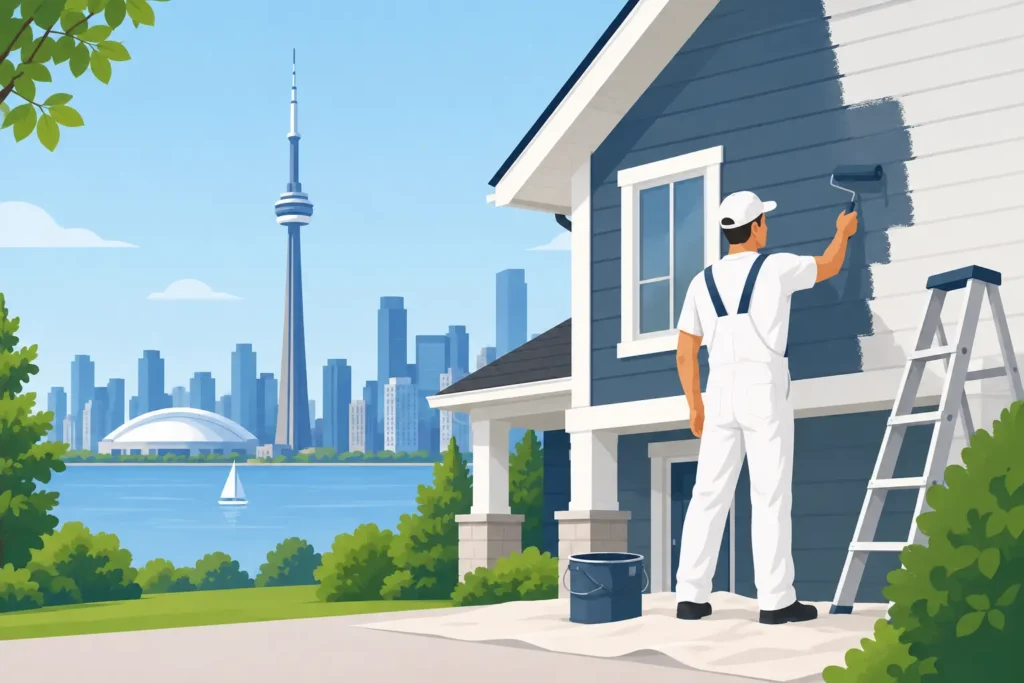
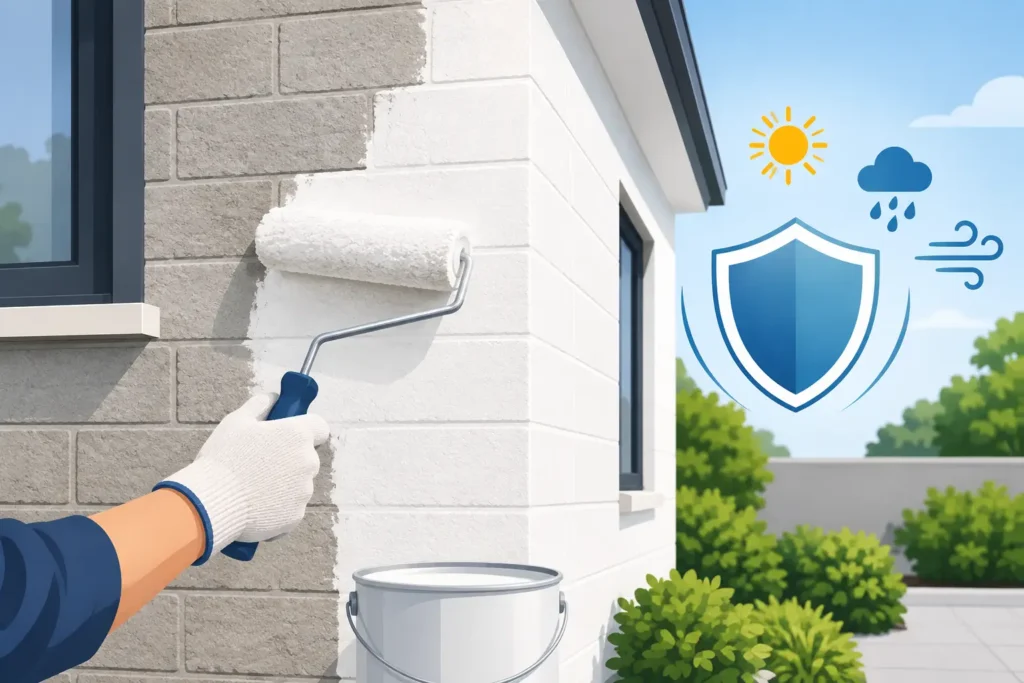
Exterior paint has a harder job. It has to handle sun, rain, wind, temperature swings, and general wear while still looking sharp from the curb. On houses in Toronto and across the GTA, that weather exposure is not minor, so product choice and prep standards matter.
A clean-looking exterior starts with stabilizing the surface. If siding or trim has peeling paint, open joints, or soft spots, coating over it will not solve the problem. Experienced painters address those issues first, then use the right primers and topcoats for the substrate.
Color matters outside too, but performance matters more. Some deep or bold shades fade faster in direct sun. Some materials, like stucco or older wood, need coatings designed for movement and breathability. A contractor who understands exterior systems will explain those trade-offs instead of just offering a paint deck and a date.
Pricing: what affects the quote
No two homes are priced the same, and that is a good thing. Accurate quotes should reflect the actual scope, not a rough guess. Size matters, but so do ceiling height, surface condition, access, trim detail, repair needs, number of colors, and the amount of protection required.
Cabinet painting, for example, is usually more labor-intensive than wall painting because the finish standard is higher and the prep is more technical. Exterior work on a straightforward one-story section is different from work around steep rooflines, heavy landscaping, or difficult access. The cheapest estimate may not include the labor needed to do those areas right.
For that reason, on-site assessment is usually the best approach. It lets the contractor see the actual surfaces, measure properly, and identify issues before they turn into change orders. Companies with broad residential and commercial experience, such as JXF Painting Service, tend to approach quoting with that level of discipline because project control matters on every property type.
Why professionalism matters as much as painting skill
Homeowners are not just hiring for a finish. They are hiring for reliability. That includes showing up when scheduled, keeping the project moving, communicating clearly, and respecting the property from start to finish.
This is where insured, established contractors separate themselves from informal operators. If a company has been working for years, manages crews properly, and handles everything from homes to larger buildings, that usually means it has systems in place. Those systems help with scheduling, cleanliness, supervision, and follow-through.
It also means fewer surprises. You want painters who know how to work around occupied spaces, coordinate access, and solve common site issues without turning a straightforward repaint into a drawn-out problem.
When hiring residential painters makes the most sense
Some homeowners can handle a small room on their own, and there is nothing wrong with that. But larger projects, high-visibility spaces, damaged surfaces, stairwells, exterior elevations, and fine-finish work are usually better left to professionals.
The value is not only time saved. It is the quality of the prep, the speed of execution, the finish consistency, and the reduced risk of rework. If you are painting to prepare for sale, updating a recently purchased home, maintaining an older property, or improving a long-neglected exterior, the right crew can make the job far more cost-effective over time.
A strong paint job should look good on day one and still make sense years later. That means clean lines, solid coverage, durable products, and a contractor who treats the work like a trade, not a side job.
If you are comparing residential painters, focus on who gives you the clearest process, the most realistic scope, and the most confidence that your home will be protected while the work is being done. A good result starts before the first coat goes on, and that is exactly where the right contractor proves their value.