


Paint failure usually starts with a simple mistake: using the wrong product in the wrong place. If you are comparing interior versus exterior paint, the difference is not marketing language or label design. These coatings are built for different conditions, different surfaces, and different performance demands. Choosing correctly affects appearance, durability, cleanup, maintenance, and how long the job holds up before it needs to be done again.
For homeowners, landlords, and property managers, that decision matters more than most people expect. A living room wall and an exterior siding panel may both need paint, but they do not need the same chemistry. One has to stand up to sunlight, moisture, temperature swings, and seasonal movement. The other needs to resist scuffs, allow cleaning, and keep indoor air concerns in view. That is where the real gap between products shows up.
Interior versus exterior paint: the core difference
The main difference between interior and exterior paint is how the coating is engineered to perform. Interior paint is made for controlled environments. It is designed to go on smoothly, level well, resist everyday wear, and handle cleaning without losing its finish too quickly. It also tends to focus more on low odor and lower emissions because it is applied in enclosed spaces.
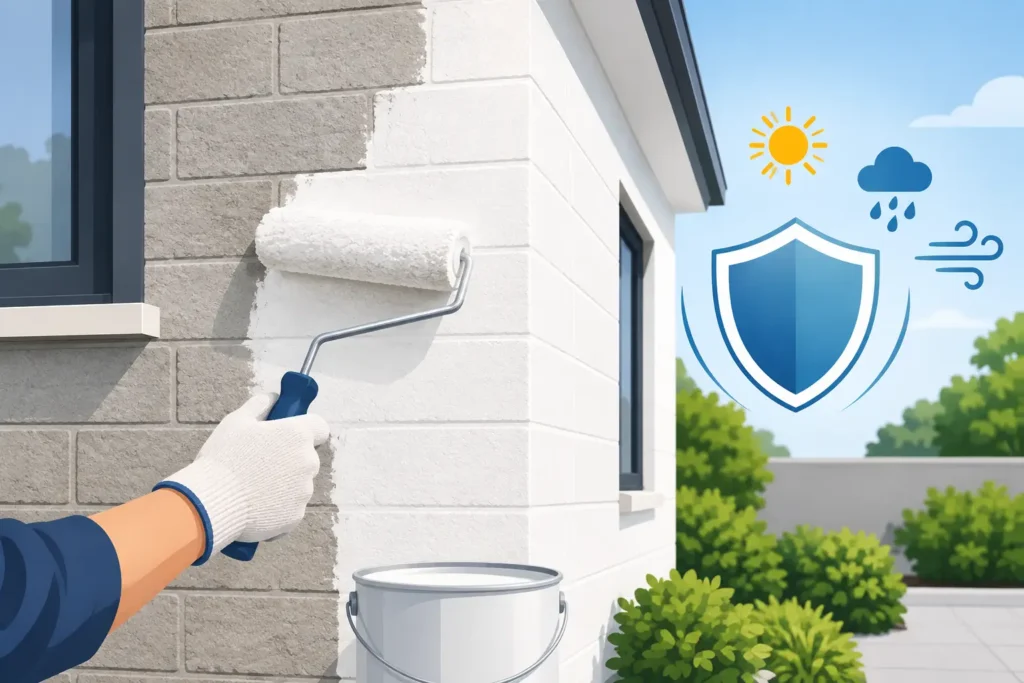
Exterior paint is built for exposure. It has to deal with rain, UV rays, freezing and thawing, heat, humidity, and substrate movement. That means the binders and additives are formulated for flexibility, adhesion, mildew resistance, and weather protection. Even a high-end interior paint usually cannot stand up to that kind of abuse for long.
This is why swapping one for the other rarely ends well. Interior paint used outside often fades, cracks, or peels early. Exterior paint used inside can create odor issues, cure differently, and leave a finish that is not ideal for occupied indoor spaces.
What interior paint is made to do
Interior paint is about appearance and cleanability first. In homes, condos, offices, and common areas, walls and trim are exposed to fingerprints, furniture marks, minor impact, and regular washing. The coating needs to look even under indoor lighting and maintain a consistent finish across large surfaces.
Most interior products are formulated to minimize volatile emissions and smell during application. That makes them more practical for bedrooms, hallways, offices, retail interiors, and occupied units where downtime needs to stay short. They are also designed to dry in a way that supports a smoother cosmetic finish, especially on drywall, trim, and ceilings.
Finish selection matters here. Flat and matte paints can help hide wall imperfections but do not clean as easily. Eggshell and satin offer a good middle ground for many rooms. Semi-gloss and gloss are tougher and often used on trim, doors, kitchens, and bathrooms. The right interior product is not just about the color. It is about how that surface will be used every day.
What exterior paint is made to handle
Exterior paint works harder. Siding, stucco, brick, wood trim, doors, fences, and commercial facades all face conditions that change constantly. Sun can break down pigments and dry out coatings. Moisture can seep into weak films. Seasonal expansion and contraction can crack paint that is too rigid.
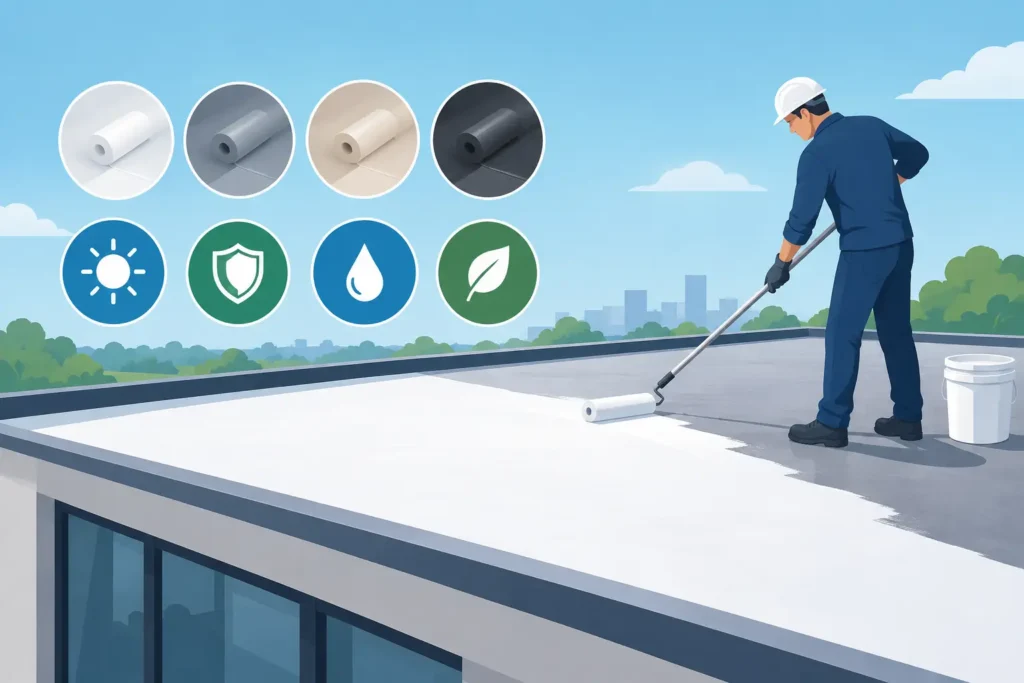
That is why exterior coatings are made with stronger weather resistance and more flexible resin systems. They are also often formulated with additives that help resist mildew, staining, and premature fading. On the right surface, and with proper prep, exterior paint forms a protective barrier as much as a decorative one.
Still, not every exterior surface needs the same product. Masonry, stucco, metal, wood, and previously coated siding all behave differently. A contractor who paints houses, commercial exteriors, and industrial surfaces knows that matching the coating to the substrate matters just as much as choosing interior versus exterior paint in the first place.
Can you use interior paint outside?
Technically, you can apply it. Practically, you should not.
Interior paint does not have the weather resistance needed for exterior conditions. It may look acceptable for a short period in a covered area, but once it faces direct sun, moisture, or temperature changes, breakdown usually starts fast. Peeling, chalking, fading, and blistering are common results. What looks like a money-saving shortcut often turns into a repaint much sooner than expected.
There is also a workmanship issue. If the wrong coating is used outdoors, even excellent surface preparation will not fully compensate for the product mismatch. Good prep helps, but it cannot change what the paint was built to do.
Can you use exterior paint inside?
This is the other question property owners ask, especially when trying to use leftover paint. The short answer is that it is generally not the right choice for interior living or working spaces.
Exterior paint is made for open-air conditions. Indoors, odor can linger longer, and the finish may not perform the way you want on walls, doors, or trim. It is also not formulated with indoor comfort as the priority. In garages, storage areas, or certain utility spaces, a professional may recommend a more heavy-duty product depending on the surface and exposure. But for bedrooms, hallways, offices, condo interiors, and occupied residential rooms, standard interior coatings are usually the better and safer fit.
Why prep still decides the result
People often focus on the can and ignore the surface. That is a mistake.
Even the best paint will fail if it goes over loose material, grease, chalking residue, water damage, peeling layers, or unprimed repairs. Interior walls may need patching, sanding, stain blocking, or drywall repair before a finish coat ever goes on. Exterior surfaces often need scraping, caulking, washing, priming, and moisture checks before painting starts.
This is where professional work separates itself from rushed work. A clean-looking finish on day one is easy. A finish that still looks sharp after seasons of use is the real test. That comes from product selection, surface prep, application method, and curing conditions working together.
Interior versus exterior paint for residential and commercial properties
The stakes change depending on the property.
In a home, interior paint choices affect how rooms feel, how easily walls clean up, and how much maintenance the owner deals with over time. Exterior paint affects curb appeal, protection from weather, and resale value. In condos and rental units, durability becomes even more important because turnover, touch-ups, and repeated cleaning are part of the operating reality.
For commercial and industrial properties, there is usually less tolerance for failure. An office interior needs a clean, professional finish without disrupting staff for longer than necessary. A warehouse, retail storefront, or building exterior needs coatings that hold up under traffic, exposure, and use. In a market like Toronto and the GTA, where freeze-thaw cycles and humidity can be hard on building envelopes, using the right exterior system is not optional.
How to choose the right paint for the job
Start with the environment. If the surface is indoors, choose a product designed for indoor air quality, appearance, and washability. If the surface is outdoors, choose one designed for weather and substrate movement.
Then look at the surface itself. Drywall, wood trim, stucco, brick, metal doors, concrete block, and siding all need different levels of adhesion, flexibility, and primer compatibility. After that, think about wear. A quiet bedroom wall has different needs than a stairwell, office corridor, restaurant washroom, or front entrance exposed to sun and rain.
This is also where cheap paint gets expensive. Lower-grade products may cover poorly, mark up faster, and break down earlier. Better coatings usually provide stronger hide, better finish consistency, and longer service life. The labor to repaint is often the biggest cost, so it makes sense to use a system that holds up.
When expert guidance saves money
A lot of painting problems start before the first coat. The wrong sheen, the wrong primer, poor patching, hidden moisture, or using interior paint where exterior performance is needed can all shorten the life of the project. That is why experienced contractors inspect the substrate, ask about use conditions, and recommend a system instead of just a color.
For property owners managing homes, rental units, offices, warehouses, or multi-surface buildings, that guidance matters. JXF Painting Service handles both interior and exterior work, which means the recommendation is based on performance, not guesswork. That matters when you want the finish to look right and last.
If you are weighing interior versus exterior paint, the safest approach is simple: match the coating to the environment, the surface, and the level of wear. The right product does more than improve appearance. It protects the property, reduces maintenance headaches, and gives you a result you do not have to second-guess six months later.