
Fresh paint shows every shortcut.
If walls start flashing under daylight, trim lines look rough, or exterior paint peels after one hard season, the problem usually is not the color. It is the prep, the product choice, and the crew behind the work. That is why professional residential painting services matter. Homeowners are not just paying for paint on a wall. They are paying for surface correction, clean execution, and a finish that holds up.
For homes in Toronto and the GTA, painting also has to stand up to real wear. Interiors deal with traffic, humidity, cooking residue, and daily life. Exteriors take on sun, rain, freeze-thaw cycles, and shifting temperatures. A proper painting contractor plans for those conditions from the start, not after problems show up.
What residential painting services should actually include
A lot of people think painting starts with opening a can. It does not. Good residential painting services begin with an on-site assessment. That means looking at the actual condition of the walls, ceilings, trim, siding, stucco, doors, decks, or cabinets before pricing and before scheduling.
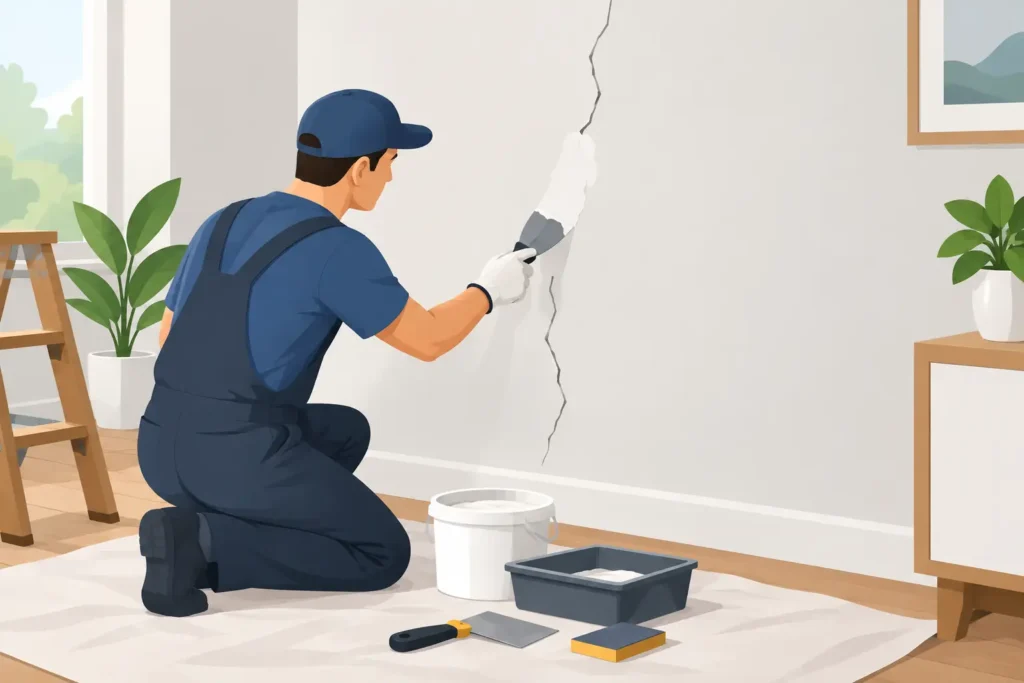
Surface condition changes everything. A room with smooth drywall in good shape is a different project than a room with nail pops, old patchwork, water stains, or peeling paint. The same goes outside. Faded siding, cracked caulking, chalking surfaces, and weather-damaged trim need prep work if the final coat is going to perform.
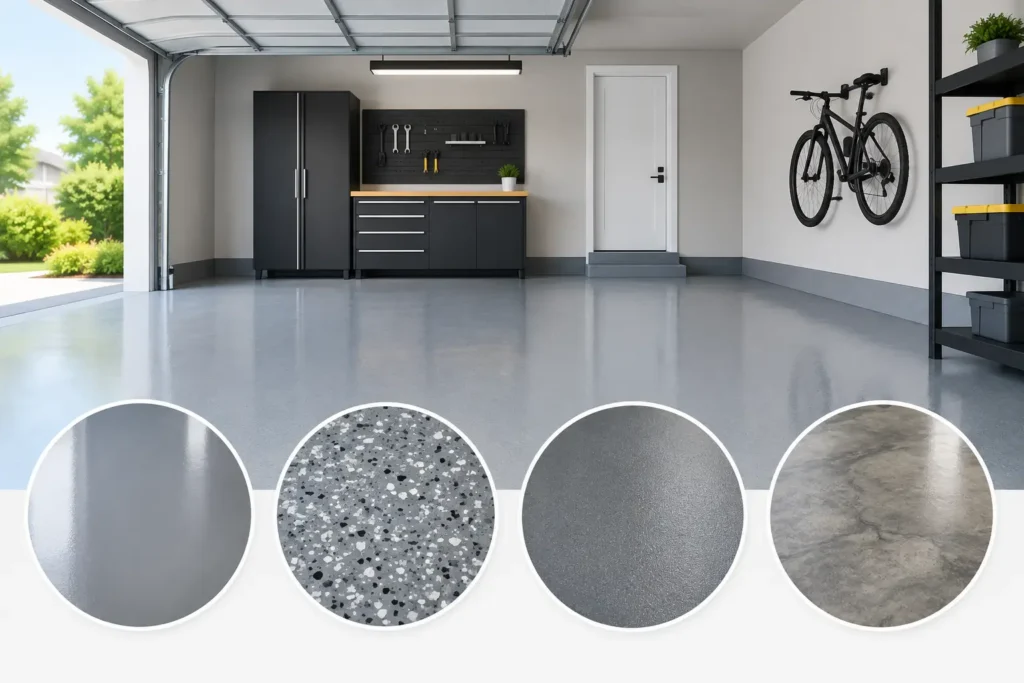
A complete residential painting scope often includes interior wall painting, ceiling painting, trim and door painting, cabinet refinishing, drywall repair, popcorn ceiling removal, and exterior work such as siding, stucco, decks, fences, and garages. Not every home needs all of it, but many projects overlap. When one contractor can handle the full scope, the job moves faster and the finish stays consistent across the property.
Interior residential painting services for a cleaner, sharper home
Inside the home, details matter more than most people expect. Flat ceilings can reveal roller marks. Semi-gloss trim can expose every uneven line. Dark color changes need more coverage and better cut-ins. High-traffic areas like hallways, kitchens, mudrooms, and stairwells need coatings that can be cleaned without losing their finish.
That is where a professional crew earns its keep. Proper masking, floor protection, drywall patching, sanding, spot priming, caulking, and product selection all affect the result. If those steps are rushed, even premium paint will not save the job.
There is also a practical side to scheduling interior work. Families still need to use bedrooms, kitchens, bathrooms, and common areas. A dependable contractor manages the work in stages, keeps the site clean, and communicates clearly so the project does not take over the house longer than necessary.
Cabinets deserve a separate mention because they are not the same as walls. Kitchen and bathroom cabinetry needs a controlled prep and coating process for adhesion, durability, and a smooth finish. Homeowners often choose cabinet painting when they want a visible upgrade without the cost of full replacement. It can be a strong value move, but only if the prep is handled correctly.
Exterior residential painting services and long-term protection
Exterior painting is part appearance and part maintenance. A fresh finish improves curb appeal right away, but its bigger job is protecting the structure underneath. When siding, trim, stucco, or wood surfaces are left exposed, moisture gets in, and repairs get expensive.
This is especially true in climates with heavy seasonal change. Exterior surfaces expand, contract, absorb moisture, and dry out repeatedly. Paint needs to bond properly and stay flexible enough to hold. That is why washing, scraping, sanding, priming, caulking, and repairing damaged sections are not optional extras. They are the foundation of the job.
Different materials also call for different methods. Stucco needs the right coating and application approach. Wood trim may need more repair and sealing. Fences and decks need stain or paint systems chosen for exposure and wear. Metal surfaces can require specialty primers. A contractor who handles a broad range of surface types is usually better equipped to spot issues before they turn into callbacks.
Timing matters too. Exterior work depends on weather, temperature range, and dry time. Good planning keeps the project on track without forcing paint onto surfaces under the wrong conditions.
Why prep work decides the result
Most complaints about painting can be traced back to prep. Peeling, bubbling, uneven coverage, visible patch marks, and rough finish quality are rarely random. They come from painting over failed surfaces, skipping repairs, or pushing production too fast.
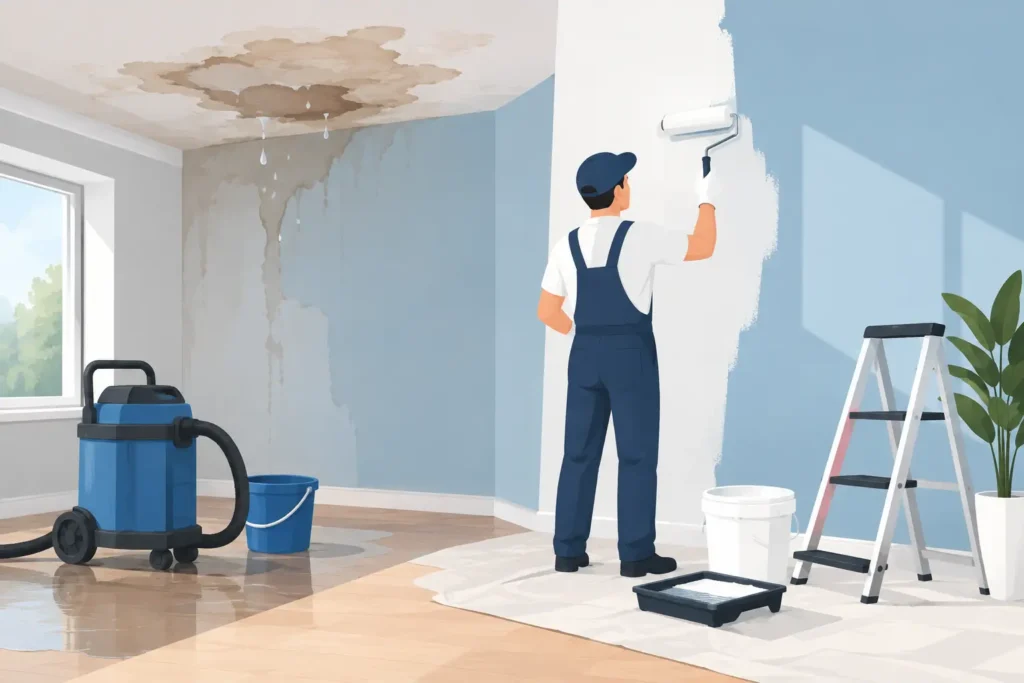
Professional prep starts with inspection. That includes checking for cracks, moisture issues, drywall damage, failed caulking, grease, smoke residue, mildew, or old coatings that are no longer stable. Once the condition is clear, the crew can repair what needs repairing and build the right system for the surface.
There is a trade-off here homeowners should understand. A lower quote often means less prep, fewer coats, or cheaper materials. That can reduce the upfront price, but it usually shortens the life of the job. On the other hand, not every project needs the highest-spec system either. A good contractor explains what is necessary, what is recommended, and where the budget can be managed without sacrificing the finish.
What to expect from a professional painting process
The best painting projects feel organized from the first visit. The contractor should inspect the site, ask the right questions, define the scope, and provide pricing that matches the actual work. That includes the surfaces to be painted, what prep is included, how many coats are expected, and what protections will be used inside or outside the home.
Once approved, scheduling should be clear. Homeowners need to know when the crew is starting, how long the project should take, and what they should do before work begins. That may include moving small items, clearing access, or identifying rooms or exterior zones that need priority.
During the job, cleanliness is a direct sign of professionalism. Floors should be protected. Furniture should be covered or moved carefully. Dust and debris should be controlled. At the end of each day, the work area should look managed, not abandoned. This matters just as much as the final finish because it affects the homeowner experience from start to finish.
Final walkthroughs are just as important. They give the client a chance to review the work, identify any touch-ups, and confirm the project was completed as promised. Reliable contractors do not disappear at the end of the last coat.
Choosing residential painting services without the guesswork
Not every painter is equipped for full residential work. Some only handle basic wall repainting. Others can take on larger scopes that include ceilings, trim, drywall repair, popcorn ceiling removal, cabinetry, and exterior surfaces under one contract. For homeowners, that difference matters.
A contractor should be licensed, bonded, and insured. They should be able to manage both small upgrades and more involved home improvement projects without losing control of timelines or finish quality. Experience also counts. A company that has worked across homes, condos, commercial spaces, and complex properties usually has stronger systems in place for scheduling, safety, communication, and workmanship.
This is one reason many homeowners prefer an established contractor like JXF Painting Service. The value is not just in applying paint. It is in handling the full job professionally, from the first assessment to the final touch-up, with a crew that understands how to work cleanly and deliver a durable finish.
Price will always be part of the decision, but it should not be the only one. The better question is what the quote includes and whether the contractor has the process, labor, and experience to carry it out properly. A cheap paint job can become an expensive correction.
Where the real value comes from
Good painting changes how a home feels, but it also does something more practical. It protects surfaces, reduces visible wear, and helps preserve value. That can matter if you are staying in the home for years or getting it ready for sale.
The strongest results come from matching the right prep, products, and crew to the actual condition of the property. There is no shortcut around that. If you want a finish that looks clean on day one and still performs down the road, choose residential painting services built on workmanship, communication, and a clear scope from the start.
A well-painted home does not need to announce itself loudly. It just looks cared for, holds up better, and gives you one less thing to worry about.