


A garage floor that sheds dust, a patio stained by years of weather, or a warehouse aisle marked by traffic can make an otherwise well-kept property look neglected. Concrete painting is a practical way to improve those surfaces, but the coating is only as good as the preparation underneath it. The right system can make concrete easier to clean, brighter, safer, and more professional. The wrong one can peel within a season.
For homeowners, landlords, facility managers, and commercial property owners, the goal is not simply to change the color of concrete. It is to select a finish that can handle the moisture, movement, traffic, and cleaning routine the surface will actually face.
What Concrete Painting Can Do for Your Property
Concrete is durable, but it is naturally porous. It absorbs water, oil, salts, and contaminants that can leave it looking permanently stained. A properly applied coating seals much of that porosity while delivering a cleaner, more finished appearance.
In a residential setting, painted concrete can upgrade a garage, basement, porch, patio, laundry room, or utility area without the cost of replacement. In commercial and industrial properties, coatings help define work zones, improve light reflectivity, make cleaning more efficient, and give customers or tenants a better first impression.
The finish also needs to suit the location. A decorative porch surface has different demands than an auto shop floor. An underground parking garage requires a different approach than a dry basement. There is no single paint product that works equally well everywhere.
Concrete Painting Starts With Surface Preparation
The most common reason concrete paint fails is not poor application. It is poor surface preparation. Concrete may look dry and clean while still holding moisture, dust, oil, curing compounds, old sealer, or residue that prevents a coating from bonding.
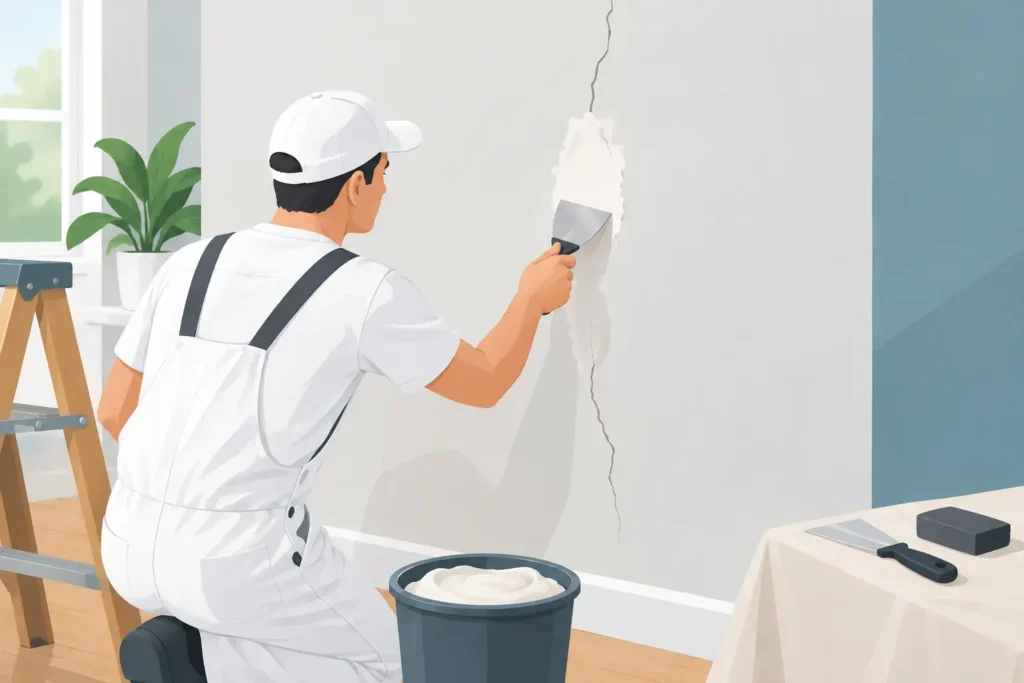
A professional assessment begins with the condition of the slab. New concrete needs sufficient time to cure before it is coated. Older concrete may require crack repair, patching, grinding, or removal of failed paint. Hairline cracks can often be treated as part of the coating process, while wider cracks or active movement may need more substantial repair before finishing.
Cleaning is equally important. Oil stains, tire residue, de-icing salt, and embedded dirt must be removed rather than painted over. Depending on the surface, preparation may include degreasing, pressure washing, mechanical grinding, shot blasting, or acid etching. The correct method depends on the concrete, the existing coating, and the product being installed.
Moisture deserves special attention. Concrete on grade can pull moisture vapor up from below, while exterior slabs are exposed to rain, snow, and freeze-thaw conditions. If moisture pressure is not addressed, it can push a coating away from the slab. Before concrete painting, the surface must be dry enough and the coating system must be appropriate for the conditions.
Why a Smooth-Looking Floor Can Still Need Grinding
Concrete often develops a dense, hard surface called laitance during finishing. It can look sound, but it does not always provide enough texture for paint or epoxy to grip. Mechanical grinding opens the surface and creates the profile needed for reliable adhesion.
This step creates dust and requires proper containment and cleanup. It is also one reason a professional crew can deliver a more dependable result than a quick coat from a hardware store. The work is not glamorous, but it determines whether the finish lasts.
Choosing the Right Coating for Concrete
“Concrete paint” is a broad term. The best product depends on whether the area is indoors or outdoors, the amount of traffic it receives, the presence of vehicles or chemicals, and the appearance you want.
Acrylic concrete coatings are often used for patios, walkways, porches, and other exterior surfaces. They can provide good color retention and are available in finishes designed for outdoor exposure. They are not usually the first choice for a high-traffic garage or industrial floor.
Epoxy coatings create a thicker, tougher film and are a strong option for garages, basements, workshops, storage rooms, warehouses, and many commercial environments. They offer excellent resistance to stains and abrasion when the system is properly specified and installed. Epoxy can be sensitive to moisture and application conditions, so surface testing and prep matter.
Polyurethane or polyaspartic topcoats are often used where added UV resistance, chemical resistance, or faster return to service is required. These systems can be especially useful on floors that receive vehicle traffic or strong sunlight. They typically cost more than basic paint, but the longer service life and better performance may justify the investment.
For safety-sensitive areas, an anti-slip additive can be incorporated into the coating. This is useful near entrances, ramps, pool-adjacent surfaces, loading areas, and anywhere wet shoes or tires are expected. More texture improves traction, but too much texture can make a floor harder to mop. The right balance depends on how the area is used.
Indoor and Outdoor Concrete Need Different Planning
Interior concrete surfaces are generally easier to control because rain, direct sun, and temperature swings are less of a concern. Still, basements and garages can have moisture issues, and garage floors must withstand hot tires, road salt, oil, and repeated vehicle traffic.
Exterior concrete is exposed to a tougher cycle. Toronto and GTA properties deal with snow, freeze-thaw movement, salt, standing water, and summer heat. A coating that looks excellent in a dry showroom can fail quickly on an exterior slab if it cannot tolerate those conditions. Drainage, surface slope, and the condition of the concrete should be reviewed before selecting a finish.
Paint will not fix a slab with active water intrusion, major scaling, or structural cracks. Those underlying issues need to be corrected first. Applying a decorative coating over failing concrete may improve appearance for a short time, but it is not a durable repair strategy.
The Application Process Matters as Much as the Product
After preparation, crews repair approved defects, mask adjacent finishes, and apply the coating according to manufacturer requirements. That includes the correct spread rate, recoat window, temperature range, and cure period. Rushing any of these stages can leave thin coverage, poor adhesion, roller marks, or soft spots.
Most projects involve more than one coat. A primer may be needed to improve bonding or manage porosity. A base coat provides color and coverage, while a topcoat adds protection and can set the sheen level. Decorative flakes, line markings, or safety striping can be added when they serve a practical purpose.
A quality contractor also plans around access. For a homeowner, that may mean coordinating garage contents and vehicle parking. For a business or condo, it may involve phased work, clear signage, isolated work zones, and scheduling during lower-traffic hours. A durable finish should not require unnecessary disruption to operations.
How Long Will Painted Concrete Last?
Service life depends on the coating, preparation, traffic, and maintenance. A basic painted patio may need refreshing sooner than a professionally installed epoxy or multi-coat commercial system. Heavy equipment, tire traffic, chemical exposure, poor drainage, and harsh cleaning practices all shorten the lifespan of a finish.
Routine care helps protect the investment. Sweep abrasive grit before it acts like sandpaper under foot or tire traffic. Clean spills promptly, especially oil, solvents, and de-icing chemicals. Use cleaning products appropriate for the coating rather than highly aggressive chemicals that can dull or weaken the surface.
Expect normal wear in high-use areas. The goal is not a surface that never changes, but a coating system that wears predictably, remains easy to maintain, and can be repaired or recoated when needed.
When Professional Concrete Painting Is Worth It
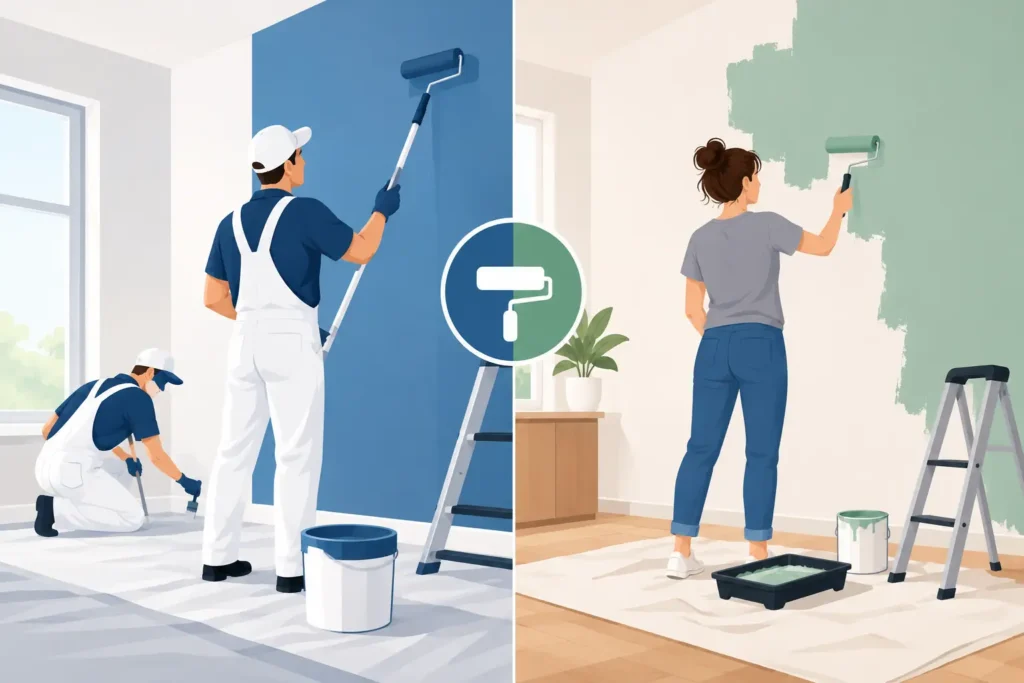
Small, dry, low-traffic areas may be manageable as a do-it-yourself project if the surface is sound and the product is correctly matched to the conditions. The risk rises with garages, basements with moisture concerns, commercial floors, exterior slabs, parking areas, and surfaces with old failed coatings.
Professional concrete painting is especially valuable when preparation equipment, moisture testing, crack repair, precise scheduling, or specialized coatings are required. An experienced crew can identify whether paint, epoxy, resurfacing, or repair is the right solution before money is spent on a finish that will not hold up.
JXF Painting Service handles concrete and epoxy coating projects with the same focus applied to every property improvement job: clear scope, clean workmanship, approved pricing, and a finish built for the way the space is used. Before choosing a color or sheen, start with the slab itself. A well-prepared concrete surface gives every coat above it a real chance to perform.