
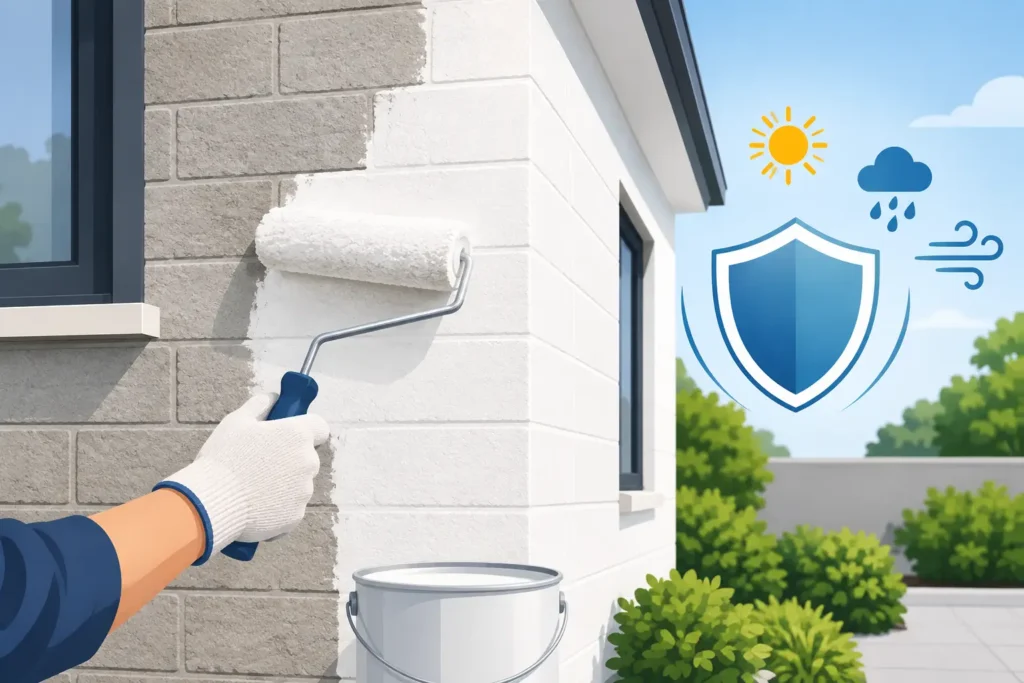


A roof coating is not simply paint applied to a roof. It is a protective system that must match the roof substrate, existing condition, drainage pattern, and exposure to weather. This roof coating selection guide helps property owners and facility managers choose a system that protects the building instead of creating an expensive coating failure a few seasons later.
For a commercial building, warehouse, multi-unit property, or flat-roofed addition, the right coating can extend service life, improve appearance, help manage surface temperatures, and postpone a full replacement. The wrong choice can peel, crack, trap moisture, or fail around drains and penetrations. The material matters, but preparation and application conditions matter just as much.
Start With the Roof, Not the Product
The first question is not, “Which coating is best?” It is, “What is this roof made of, and what condition is it in?” A coating system needs a stable, dry, compatible surface. It will not correct major structural problems, active leaks caused by failed flashing, saturated insulation, or widespread membrane deterioration.
Common roof substrates include modified bitumen, built-up roofing, metal, concrete, single-ply membranes, and previously coated roofs. Each surface has different adhesion requirements. Metal roofs may need rust treatment and fastener repairs. A modified bitumen roof may require a compatible primer. A roof with an old coating may need adhesion testing before another product is applied over it.
A professional assessment should identify open seams, cracks, loose flashings, ponding water, blistering, rust, clogged drains, and soft areas. Repairs come before coating. If moisture is trapped below the surface, sealing the roof can make the underlying issue worse.
When a Coating Is the Right Solution
Roof coatings work best when the existing roof is generally sound but showing surface wear. The membrane should still have useful life left, with repairs limited to localized defects rather than broad failure. A coating can then provide a renewed protective layer over the roof field, seams, details, and approved repair areas.
If the roof has recurring interior leaks, extensive wet insulation, failing seams across large sections, or severe deck damage, replacement or more extensive restoration may be the better investment. A dependable contractor should tell you when coating is not the responsible option.
Compare the Main Roof Coating Types
Most coating decisions come down to acrylic, silicone, or polyurethane systems. Each has a place. The right choice depends on the roof’s drainage, traffic level, substrate, and budget.
Acrylic Coatings
Acrylic coatings are water-based and commonly selected for roofs with positive drainage. They are valued for their bright finish, reflectivity, and cost-effective coverage on large roof areas. They can be a practical choice for metal roofs and many low-slope commercial roofs when surface preparation is completed properly.
Their main limitation is standing water. Acrylic coatings generally perform best where water drains within a reasonable time after rainfall. On a roof with persistent ponding, the coating may soften, lose adhesion, or wear prematurely. Cold or wet application conditions can also affect curing, so scheduling matters.
Silicone Coatings
Silicone is often a strong option for roofs where ponding water is difficult to eliminate. It resists moisture well and can perform reliably through repeated rain exposure. This makes it worth considering for low-slope roofs with imperfect drainage, particularly on older commercial properties where re-sloping the roof is not part of the project scope.
The trade-off is that silicone can attract dirt over time, which may reduce the brightness of a white roof surface. It can also be harder to recoat later unless the correct preparation and compatible materials are used. Silicone is not automatically the premium answer for every roof, but it is often the practical answer where water remains after a storm.
Polyurethane Coatings
Polyurethane coatings are known for toughness, adhesion, and resistance to foot traffic. They are often used on roofs that experience regular maintenance access, equipment servicing, or other physical wear. Some systems use a base coat for adhesion and durability, followed by a topcoat designed for weather resistance and color retention.
This added performance can come with higher material and labor costs. Polyurethane systems also require careful attention to mixing, application thickness, weather, and safety procedures. For a roof with frequent traffic paths or more demanding exposure, the additional investment may be justified.
Roof Coating Selection Guide: Match the System to the Conditions
A coating should be selected based on the conditions the roof actually faces, not on a generic product claim. A white reflective coating may be valuable on a large exposed roof, but it is only useful if the system remains bonded and watertight. A durable traffic coating is useful near mechanical units, but it may be unnecessary over the entire roof field.
Consider four practical factors before specifying a system:
- Drainage: Identify where water collects and how long it remains. Correct drainage issues where possible, then choose a coating suited to the remaining conditions.
- Roof movement: Metal panels, seams, and flashings expand and contract. The coating system must have the flexibility to move without splitting.
- Foot traffic: Service routes to HVAC equipment need added protection. Designated walk pads or reinforced areas may be needed instead of relying on the field coating alone.
- Weather exposure: Sun, rain, snow, freeze-thaw cycles, and temperature swings all affect coating performance. The system must suit the local climate and the installation window.
For Toronto and the GTA, freeze-thaw exposure and seasonal moisture make roof inspection especially important. Coatings should be installed only when temperatures, surface dryness, and weather forecasts meet the manufacturer’s requirements. Rushing an application before rain or applying over damp material can compromise an otherwise quality product.
Surface Preparation Decides the Outcome
Many roof coating problems begin before the coating is opened. Dirt, chalking, oils, loose old coating, algae, and poorly bonded repairs interfere with adhesion. A clean-looking roof is not necessarily ready for coating.
Proper preparation usually includes cleaning the surface, removing loose material, repairing cracks and seams, treating rust where present, and allowing the roof to dry completely. Primer may be required depending on the substrate and coating system. Areas around drains, vents, curbs, parapet walls, fasteners, and penetrations need detailed attention because these are common leak points.
Application thickness also matters. Coatings are specified by dry film thickness, not just by the number of passes. Applying a material too thin can reduce its protective value. Applying it too heavily in one pass can create curing problems. An experienced crew measures coverage, follows the system requirements, and checks the completed roof for thin spots and missed details.
Budget for the Full System, Not Just the Pail Price
The lowest coating price is rarely the lowest project cost. A quote should account for cleaning, repairs, primers, reinforcement fabric where needed, coating material, access, protection of surrounding areas, and labor. If one proposal is dramatically cheaper, confirm whether it includes the preparation work required for the coating to adhere.
It also helps to compare expected service life and maintenance needs. A lower-cost acrylic system may be a sound decision on a well-drained roof. A silicone or polyurethane system may cost more upfront but be better suited to ponding water or high-traffic conditions. The goal is not to buy the most expensive coating. It is to invest in the system that fits the roof and reduces avoidable repairs.
Ask the Right Questions Before Work Begins
Before approving a roof coating project, ask what substrate is present, what repairs are included, whether primer is required, and how ponding water will be addressed. Ask how the contractor will prepare seams, penetrations, drains, and vertical transitions. You should also know the planned application conditions, required cure time, and whether access to the building will be affected during the work.
JXF Painting Service approaches coating work as a surface-protection project, not a quick cosmetic upgrade. Clear scoping, proper preparation, clean execution, and communication during the job protect both the roof and the property owner’s budget.
The best next step is a hands-on roof assessment before selecting a product. Once the roof’s condition, drainage, substrate, and repair needs are clear, the right coating choice becomes a practical business decision rather than a guess.