
A fresh paint job can make a room feel finished, cleaner, and more valuable overnight. But how long does interior paint last once the furniture is back in place and daily life resumes? For most homes, a professionally applied interior paint finish lasts five to 10 years. The real answer depends on the room, the surface preparation, the quality of the paint, and how much wear the space receives.
A quiet bedroom may still look excellent after a decade. A busy hallway, kitchen, rental unit, office reception area, or condo corridor may need attention much sooner. Knowing what affects paint life helps property owners plan maintenance before small cosmetic issues turn into larger drywall, moisture, or surface-repair work.
How Long Does Interior Paint Last by Room?
Interior paint does not wear at the same rate throughout a property. Traffic, humidity, cleaning habits, sunlight, and contact with walls all matter.
Bedrooms and low-traffic rooms: 7 to 10 years
Adult bedrooms, formal dining rooms, and low-use living areas generally hold paint well. These spaces have limited moisture and fewer scuffs from bags, furniture, pets, and hands. A quality acrylic latex paint applied over properly prepared walls can often last close to 10 years in these conditions.
Children’s bedrooms may need repainting sooner, usually within three to five years. Marks around light switches, headboards, desks, and play areas add up quickly, even when washable paint is used.
Living rooms and hallways: 5 to 7 years
Living rooms and hallways are high-contact areas. Hallways collect handprints, shoe scuffs, moving damage, and dents from furniture. In homes with children or pets, the lower portion of a hallway wall often shows wear before the rest of the room.
A durable, washable finish can extend the refresh cycle, but it will not eliminate physical damage. Spot touch-ups can help for minor marks, although older paint may no longer match perfectly because of fading and normal color change over time.
Kitchens and bathrooms: 3 to 5 years
Kitchens and bathrooms have the shortest repaint cycle in many homes. Steam, grease, splashes, cleaning products, and fluctuating humidity all put pressure on paint films. Bathroom ceilings are especially vulnerable when ventilation is poor.
In these rooms, the right product and preparation matter more than the color. Walls should be cleaned, glossy surfaces should be properly prepared, and moisture-prone areas need coatings suited to repeated washing and humidity. Painting over residue, mildew, or peeling material may look better briefly, but it will not produce a lasting finish.
Trim, doors, and cabinets: 3 to 7 years
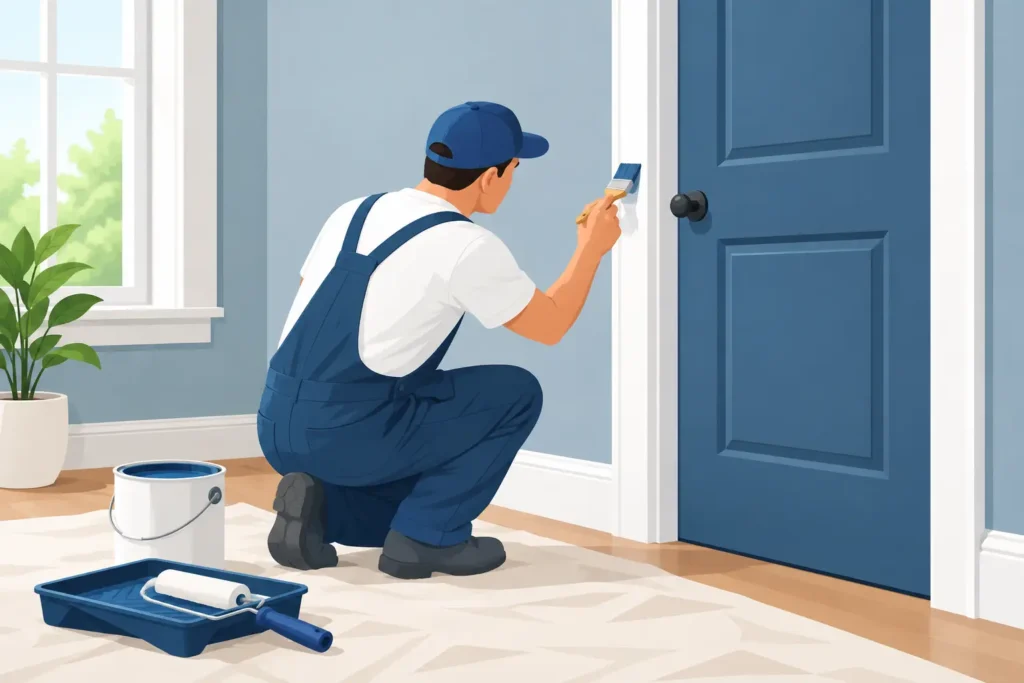
Trim, baseboards, doors, and cabinets take direct abuse. Door edges get chipped, baseboards are hit by vacuums, and cabinet doors are touched many times every day. Their paint may wear out before the adjacent walls, especially in family homes, rental properties, and commercial spaces.
Because these surfaces are highly visible, a small chip or yellowing finish can make an otherwise clean room look tired. Repainting trim and doors is often an efficient way to sharpen the appearance of a property without repainting every wall.
What Makes Interior Paint Wear Out Early?
Paint failure is not always caused by age. In many cases, the finish wears prematurely because the surface underneath was not ready or the coating was not suited to the conditions.
Poor surface preparation is one of the biggest causes. Walls with dust, grease, smoke residue, loose drywall compound, wallpaper adhesive, or chalky old paint do not give new paint a stable base. The same is true when cracks, dents, water stains, and failed caulking are painted over instead of repaired.
Moisture is another major factor. A recurring ceiling stain, bubbling paint near a window, or peeling around a bathroom fan is usually a moisture problem first and a paint problem second. The source may be a plumbing leak, roof issue, condensation, failed caulking, or inadequate ventilation. Repainting without correcting the cause means the damage will return.
Low-quality paint can also shorten the life of a finish. Less durable coatings may require more coats for coverage, mark more easily, and lose their clean appearance sooner. Higher-grade paint costs more upfront, but it usually provides better coverage, washability, and long-term value in active rooms.
Application conditions matter as well. Paint needs the proper temperature, drying time, and coat thickness to cure correctly. Rushing the process or applying paint over damp surfaces can lead to adhesion issues, lap marks, peeling, and an uneven sheen.
Signs It Is Time to Repaint Interior Walls
A wall does not need to be completely peeling before it deserves attention. Repainting at the right time protects surfaces and keeps a home, rental unit, office, or commercial property presentable.
Look for visible scuffs that no longer wash off, fading near windows, yellowing on white trim, repeated touch-up patches, dents and cracks, or paint that has become difficult to clean. Stains that bleed through, blistering, flaking, and peeling need more than a cosmetic coat. Those signs call for proper diagnosis and repair before new paint is applied.
Color changes are also a practical reason to repaint. Neutral, well-finished rooms help homes show better for sale or lease, while clean brand-appropriate colors improve offices, retail spaces, and common areas. The timing may be based on appearance and property value, not just paint failure.
How to Help Interior Paint Last Longer
Good maintenance can add years to a paint job. Clean walls gently with a soft sponge or microfiber cloth, mild soap, and water. Avoid harsh abrasives, which can burnish or dull the finish, particularly on flat paint.
Address stains and scuffs early, but test any cleaner in an inconspicuous area first. Keep bathroom fans running during and after showers, use kitchen ventilation when cooking, and repair leaks promptly. Moving furniture carefully and adding door stops where needed will also reduce chips and dents on walls and trim.
When touch-up paint is available, label the can with the room, color, sheen, and date. Store it in a stable indoor location with the lid tightly sealed. Even then, use touch-ups selectively. If the surrounding paint has faded or been cleaned repeatedly, a full wall repaint often delivers a more uniform result.
Why Professional Preparation Extends Paint Life
A lasting paint job starts before the first coat goes on. Professional painters inspect surfaces, repair drywall damage, sand rough areas, seal stains, caulk gaps, and prime where needed. These steps create a sound surface so the finish coat can perform as intended.
This is especially valuable in older Toronto and GTA properties, rental turnovers, condo units, and commercial spaces where walls may have layers of previous paint, hidden repairs, or inconsistent finishes. A contractor should also recommend the appropriate sheen and coating type for each area. Flat paint may suit a low-traffic ceiling, while a washable eggshell, satin, or semigloss finish may be a better fit for active walls, trim, and doors.
JXF Painting Service approaches interior work with the same focus on preparation, clean execution, and dependable scheduling used on larger commercial and industrial projects. The goal is not simply to make walls look freshly painted on day one. It is to deliver a finish that stands up to the way the property is actually used.
If your walls are showing recurring marks, damaged drywall, moisture stains, or uneven touch-ups, do not wait for the finish to fail completely. A professional assessment can identify whether a careful refresh, targeted repairs, or a full repaint will give your space the best long-term result.