

When should exterior walls be repainted? The answer is rarely based on a calendar alone. A painted exterior can look acceptable from the driveway while moisture, failed caulking, sun exposure, and surface wear are already weakening the coating underneath. For homeowners, landlords, and property managers, repainting at the right time protects siding, stucco, trim, masonry, and other exterior surfaces before minor maintenance turns into a larger repair.
In the Greater Toronto Area, exterior paint works hard. Freeze-thaw cycles, summer heat, rain, wind, road salt, and strong sun on exposed elevations all affect how long a finish lasts. The best time to schedule the work is when the existing paint still gives a professional crew a sound surface to prepare – but before peeling paint and moisture damage spread.
When Should Exterior Walls Be Repainted?
Most exterior walls need repainting every five to 10 years, but the material, previous paint job, exposure, and maintenance history matter more than the number. Wood siding and trim often need attention sooner than brick or properly maintained stucco. A south- or west-facing wall may fade, crack, or lose adhesion faster because it takes more direct sun and weather.
A high-quality paint system applied over properly prepared surfaces can last longer. On the other hand, a rushed job with poor caulking, inadequate priming, or paint applied to damp surfaces may fail in only a few years. That is why a site assessment should focus on the condition of the substrate, not just the appearance of the color.
For many properties, repainting is best planned during dry, moderate weather. Paint needs suitable surface and air temperatures, along with enough dry time to cure correctly. Spring through early fall is often the practical window in Toronto and the GTA, although the exact schedule depends on the product specifications, daily temperatures, humidity, and rain forecast.
Signs Your Exterior Paint Is Due for Attention
Paint does more than improve curb appeal. It forms a protective layer between your building materials and the elements. Once that layer begins to fail, water can reach joints, cracks, exposed wood, and vulnerable areas around windows and doors.
Peeling, blistering, or cracking paint
Peeling is the clearest signal that repainting should not be delayed. It can result from moisture behind the paint film, poor adhesion, old coatings, or painting in unsuitable conditions. Blistering and bubbling deserve the same attention, especially if they are near eaves, window frames, trim boards, or areas where water can enter.
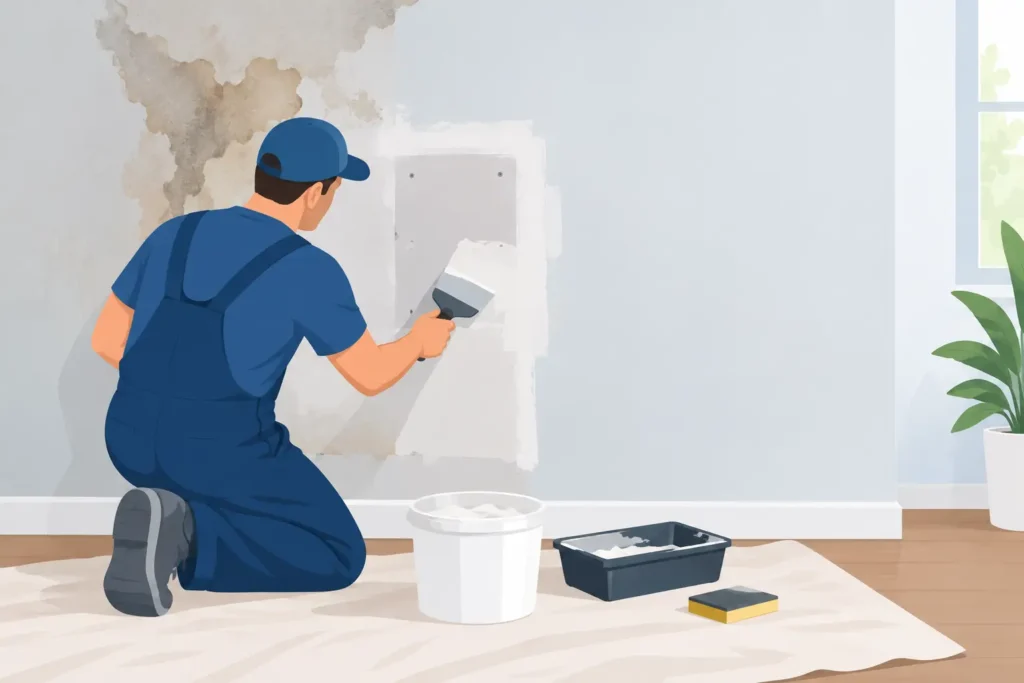
A professional painter should identify the cause before applying new paint. Simply covering failed paint without scraping, sanding, priming, and correcting moisture issues can produce another short-lived finish.
Fading, chalking, and uneven color
Fading is common on exposed walls, particularly dark colors and surfaces that receive direct afternoon sun. Chalking happens when aging paint breaks down into a powdery residue. Run a hand across the wall. If color transfers to your fingers, the surface needs cleaning and evaluation before repainting.
Fading alone is often an appearance issue, but it may also indicate that the paint film is losing its protective qualities. For commercial properties, uneven color can make a storefront, office building, or multi-unit property look neglected long before the rest of the building requires major work.
Failed caulking and open joints
Exterior caulking around windows, doors, trim, siding joints, and penetrations does not last forever. When it becomes brittle, cracked, shrunken, or separated from the surface, water has an easy path behind the paint.
Repainting provides the right opportunity to remove failed caulking, seal appropriate gaps, repair damaged areas, and create a continuous finish. This preparation work is just as important as the final coats of paint.
Stains, mildew, and recurring moisture marks
Dark spots, green growth, rust stains, and water streaks should be investigated rather than painted over. Mildew may be caused by shade, poor drainage, leaking gutters, or restricted airflow. Rust staining can point to fasteners or metal components that require treatment.
The wall must be cleaned and the source of moisture addressed first. Otherwise, staining and coating failure can return through the new paint.
The Surface Makes a Difference
Different exterior materials age differently, so there is no single repainting schedule that suits every property.
Wood siding, fascia, soffits, and trim require close monitoring because paint is a primary defense against moisture. Once bare wood is exposed, it can absorb water, swell, split, and begin to rot. Repaint wood promptly when you see cracking, peeling, soft spots, or bare areas.
Stucco may hold paint well, but hairline cracks and surface contamination can affect the new coating. Small cracks may need appropriate repair and elastomeric or masonry-compatible products depending on the condition of the wall. Larger or moving cracks may indicate a problem that should be assessed before painting begins.
Brick and masonry often need less frequent painting, but previously painted masonry requires careful preparation. Trapped moisture, efflorescence, deteriorating mortar, and incompatible coatings can create persistent problems. The right approach protects the surface without sealing in an existing moisture issue.
Vinyl and aluminum siding can fade or develop a dull appearance even when the material remains sound. Repainting may be a cost-effective alternative to replacement, provided the surface is cleaned correctly and the paint is formulated for the substrate. Color selection matters on vinyl, since very dark colors can increase heat absorption and create distortion risks.
Do Not Wait for Full Paint Failure
Delaying a repaint because only one elevation looks worn can cost more later. North-facing walls may develop mildew while sun-facing walls fade. Trim can fail before siding. A wall near landscaping, sprinklers, or a roof valley may show moisture damage long before the rest of the building.
Addressing these areas early gives painters more options. Surface preparation is faster, repairs are usually smaller, and the finished coating has a better chance of lasting. Waiting until paint is extensively peeling can mean more scraping, wood repair, drywall work inside affected areas, or replacement of damaged exterior components.
For landlords and condo stakeholders, proactive repainting also reduces disruption. Exterior maintenance can be scheduled around tenant access, seasonal operations, and building priorities instead of becoming an urgent repair after a leak or visible deterioration complaint.
What Proper Exterior Preparation Should Include
A lasting repaint is built on preparation. The exact scope depends on the property, but professional work generally starts with an on-site inspection of paint condition, damaged materials, caulking, drainage concerns, and access requirements.
Loose and peeling paint should be removed. Surfaces need cleaning to eliminate dirt, chalk, mildew, and contaminants that interfere with adhesion. Cracks, holes, and damaged areas should be repaired, while failed caulking is removed and replaced where needed. Bare wood, repaired sections, rust-treated metal, and other exposed substrates may require the correct primer before finish coats are applied.
This is also the time to protect landscaping, windows, walkways, vehicles, tenant areas, and adjacent finishes. On commercial and industrial properties, a well-planned crew can organize work zones and timing to keep operations moving with minimal interruption.
Choosing the Right Time to Book the Work
Do not wait until the first warm week of the season to start planning. Exterior painting schedules fill quickly when weather conditions are favorable. If your walls showed wear at the end of last season, arrange an assessment early so the project can be scoped, quoted, and scheduled for the right conditions.
A professional estimate should account for more than square footage. It should identify surface repairs, access needs, material type, prep requirements, primer needs, paint system, and any special challenges such as height, landscaping, occupied units, or business operations. Approved pricing and a clear scope help prevent surprises once work begins.
JXF Painting Service helps property owners across Toronto and the GTA assess exterior surfaces, complete required preparation, and apply durable finishes with clean, dependable workmanship. If your paint is peeling, fading unevenly, or no longer sealing the building properly, the right time to act is before the next season makes the damage worse.