


A repaint should improve your property, not interrupt the way it operates. Whether you manage an office, warehouse, retail unit, condo building, or busy household, the right plan can minimize painting disruption without cutting corners on prep work or finish quality. The difference comes down to clear scheduling, proper containment, skilled crews, and a contractor that understands how your space is actually used.
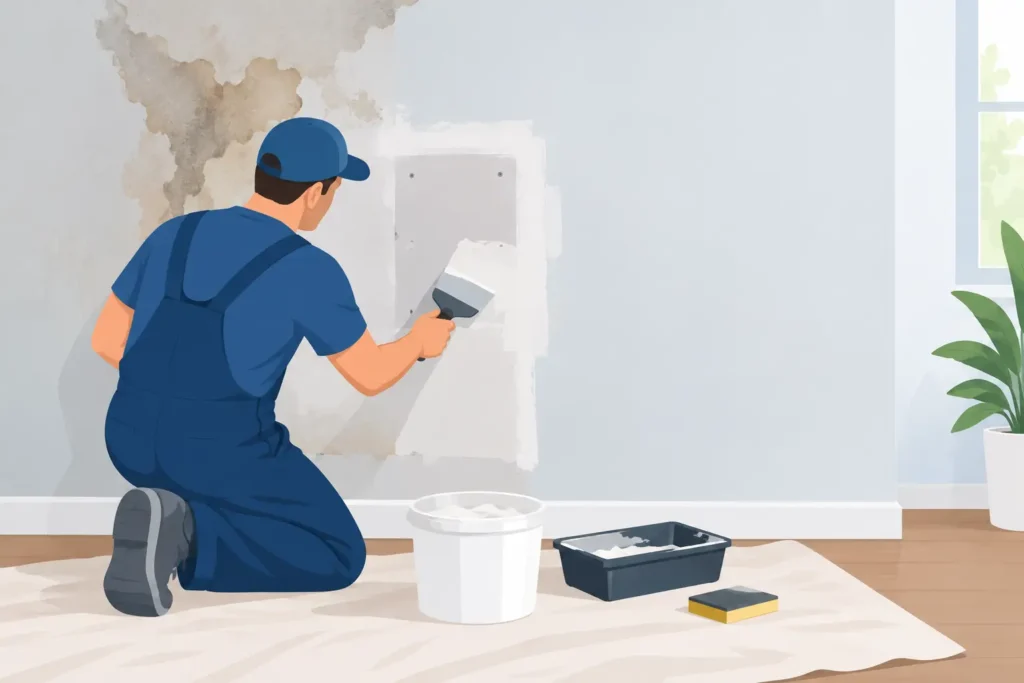
Painting is not just applying a new color. It involves moving furniture or equipment, protecting surfaces, repairing damage, preparing walls, allowing for dry time, and keeping people safely away from active work areas. A professional approach accounts for every one of those details before the first drop cloth goes down.
Start With a Site Assessment and Real Scope
The fastest way for a project to become disruptive is to start with an incomplete scope. A room that appears ready for paint may have damaged drywall, stains, failing caulk, loose paint, moisture concerns, or surface contamination that needs attention first. If these issues are discovered halfway through the work, timelines can change and occupied areas may stay out of service longer than expected.
A proper on-site assessment establishes what needs to be painted, what repairs are required, which surfaces need special coatings, and where crews can stage materials. It should also identify high-traffic routes, emergency exits, sensitive equipment, tenant access points, and areas that cannot be closed during business hours.
For commercial and industrial properties, this step should include the people who know the building best. Facility managers, operations staff, security teams, and tenant representatives can flag peak activity periods and operational restrictions that are not visible during a walk-through. For homeowners, it means identifying rooms that must remain usable, such as kitchens, bedrooms, home offices, or nurseries.
Build the Schedule Around Your Operations
The best painting schedule is rarely the one that finishes a single area fastest. It is the one that keeps the property functioning while the work moves forward in controlled phases.
An office may be best painted after hours or over a weekend, with crews working floor by floor. A retail location may need work completed before opening, after closing, or during slower days. In a warehouse, painting may need to be coordinated around loading schedules, forklift routes, production lines, and safety requirements. Condo common areas often require advance notice, elevator coordination, and a staged plan that preserves resident access.
Residential work benefits from the same thinking. Instead of opening every room at once, a crew can complete one section, clean it, and return it to use before moving to the next. This limits the amount of furniture displaced and gives the household a more manageable routine during the project.
There is a trade-off: night, weekend, or phased work can sometimes affect labor costs and project duration. However, for an occupied business, avoiding lost productivity, customer inconvenience, or tenant complaints is often worth far more than the added scheduling complexity.
Choose Phased Work When the Space Must Stay Open
Phasing divides the project into practical zones. For example, an office can be separated by department, a warehouse by bay, and a home by room or floor. Each zone is prepared, painted, inspected, and cleaned before the crew advances.
This approach makes it easier to maintain access, control dust, and communicate what will happen next. It also allows the contractor and property representative to address concerns early rather than discovering them after the entire site is underway.
Protect Occupants, Equipment, and Finished Surfaces
Good containment is one of the most visible signs of a professional painting operation. Floors, furniture, fixtures, computers, shelving, inventory, and adjacent finishes must be protected before preparation begins. Plastic barriers, drop cloths, masking, and careful material staging keep work contained and reduce cleanup time.
Containment matters even more when drywall repair, sanding, popcorn ceiling removal, or surface scraping is involved. These tasks can create dust that travels beyond the immediate work area if they are not properly managed. A qualified crew uses appropriate barriers and cleanup practices to keep dust from spreading through occupied spaces.
For industrial and commercial properties, protection should extend to equipment and workflow. Covering machinery is only part of the job. Crews also need to maintain clear marked paths, avoid blocking exits, keep cords organized, and secure paint products away from public or employee access.
Paint selection also affects disruption. Low-odor, low-VOC coatings can be a practical choice for occupied interiors, particularly in offices, schools, healthcare-adjacent spaces, condos, and homes. They do not eliminate the need for ventilation and dry time, but they can make the work more comfortable for occupants. The correct product still depends on the surface, traffic level, cleaning requirements, and expected wear.
Communicate Before the Crew Arrives
A strong painting plan should tell people what is happening before work begins. For businesses, that may mean notifying employees, tenants, customers, building security, and cleaning staff. For condos, notices should clearly explain dates, work locations, access changes, parking or elevator needs, and any temporary restrictions.
The message does not need to be complicated. It should state which areas will be active, when crews will be present, what occupants need to move or secure, and who to contact with questions. When people know what to expect, there are fewer last-minute interruptions and fewer complaints.
Homeowners should receive equally clear direction. A painting contractor can explain which furniture needs to be moved, whether wall décor should come down, where pets should be kept, and which rooms will be unavailable. This preparation helps the crew begin on time and protects personal belongings.
Keep Access and Safety Under Control
Painting crews need room to work, but they should not take over more of the property than necessary. Access plans determine where painters enter, where materials are stored, how waste is removed, and how ladders or lifts are positioned. In a busy building, these details protect both productivity and safety.
For exterior painting, access planning includes protecting landscaping, managing parking, securing work zones, and accounting for weather. A contractor should not promise a fixed exterior completion date without recognizing that rain, temperature, humidity, and substrate conditions can change the schedule. Reliable delivery means planning for these realities, not ignoring them.
For interior projects, safety means keeping walkways clear, posting signs where needed, and maintaining access to exits and essential building services. In spaces with the public present, such as retail stores, lobbies, and shared condo corridors, a visible and orderly work area builds confidence that the property is being managed properly.
Use the Right Crew and the Right Materials
Speed matters, but rushed painting creates callbacks, uneven coverage, missed repairs, and premature failure. The way to finish efficiently is not to skip steps. It is to assign experienced painters who can prepare surfaces correctly, apply the right coating system, and maintain clean work habits from start to finish.
Different properties require different methods. Cabinet painting calls for controlled preparation and curing. Warehouse coatings may need durable systems that withstand traffic and abrasion. Parking garages, roofs, stucco, decks, and metal surfaces each require products and techniques suited to the material and exposure conditions. A contractor with broad experience can recommend the correct scope instead of forcing every job into the same process.
JXF Painting Service plans residential, commercial, industrial, and condo projects with these operational requirements in mind. Since 1999, the focus has been on trained crews, clean job sites, dependable scheduling, and workmanship that holds up after the project is complete.
Inspect Areas as They Are Completed
Do not wait until the final day to review the work. A phased inspection process allows the property representative to walk completed areas with the project lead, confirm coverage and finish quality, and identify touch-ups before the crew moves too far ahead.
This is especially useful on larger properties, where lighting, wall condition, and color appearance can vary from one area to another. It also gives facility managers a chance to confirm that furniture, equipment, and access routes have been restored as planned.
Final cleanup should be treated as part of the painting service, not an afterthought. Materials should be removed, floors and surfaces checked, and the work area returned in usable condition. A clean closeout is what allows employees, tenants, customers, or family members to step back into the space with minimal delay.
The right painting contractor does more than deliver a clean finish. They protect your schedule, your property, and the people who rely on it. Plan the work around real conditions, communicate early, and choose a crew that treats disruption control as part of the job.