
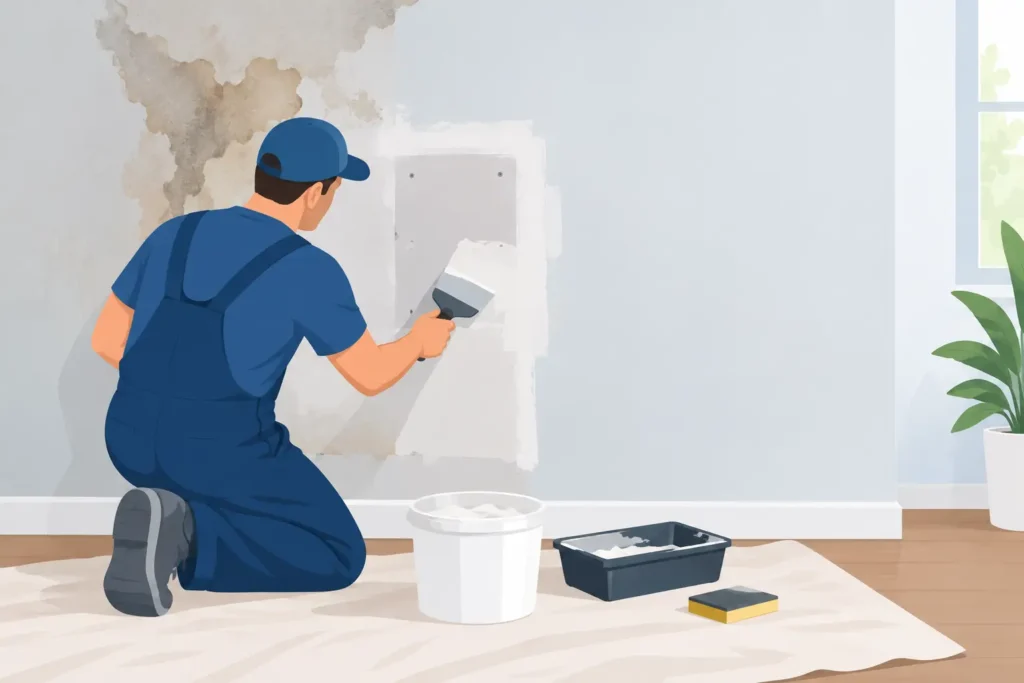


A downtown repaint is rarely just about changing wall color. Commercial painters downtown Toronto property managers and business owners hire need to work around tenants, customers, deliveries, building rules, elevators, and tight access points. The finish matters, but so does the contractor’s ability to keep the property functional while the work gets done.
For offices, retail stores, restaurants, medical spaces, condo common areas, warehouses, and mixed-use buildings, commercial painting requires a clear plan. The right crew protects surfaces, controls dust and odors, coordinates schedules, and delivers a finish built for daily traffic.
What Downtown Commercial Painting Requires
Downtown properties present challenges that do not always exist in suburban commercial work. Loading zones may be limited. Parking may be unavailable. Material deliveries may need to be booked through property management, and elevator access can be restricted to certain hours. In older buildings, walls may also have hidden repairs, water staining, cracks, or multiple layers of previous coatings.
A professional painting contractor accounts for these details before work begins. That means confirming access, measuring the full scope, identifying repairs, reviewing finish requirements, and establishing a realistic work schedule. A quote should reflect the actual site conditions, not just the square footage on a floor plan.
The work also needs to suit the building’s use. A lobby, for example, needs a clean and polished finish that stands up to constant contact. A back-of-house area may need a durable coating that is easier to wash and maintain. An office renovation may require low-odor products and evening work so employees can return the next morning.
Choosing Commercial Painters Downtown Toronto Can Rely On
The lowest quote is not always the lowest-cost choice. A poorly managed paint job can create downtime, tenant complaints, damaged flooring, missed opening dates, and early repainting costs. For commercial properties, reliability and execution are part of the product.
Start by looking for a contractor with experience across the type of space you manage. Painting a small retail unit is different from repainting a multi-floor office, warehouse, underground garage, or condo corridor. Each project has its own access requirements, safety considerations, coating systems, and scheduling demands.
A qualified contractor should be able to explain how they will protect the job site, handle prep work, manage repairs, and coordinate the crew. They should also be properly licensed, bonded, and insured. These details protect the property owner and show that the contractor operates as a professional business, not a temporary crew.
Communication is equally important. You should know who is managing the job, when the crew will arrive, what areas will be unavailable, and how change requests will be handled. Clear approved pricing before work starts reduces surprises once the project is underway.
Ask About the Work Plan, Not Just the Paint Brand
High-quality paint helps, but it cannot compensate for weak preparation. Most commercial paint failures start before the first finish coat is applied. Dirty walls, loose caulking, unfilled dents, damaged drywall, moisture issues, and poorly sanded repairs can all affect adhesion and appearance.
Ask how the contractor plans to prepare each surface. Depending on the property, this may include patching drywall, repairing cracks, sanding rough areas, caulking trim, spot-priming stains, washing surfaces, and removing failed paint. Exterior work may require scraping, power washing, sealing, or specialized coatings for masonry, stucco, metal, and wood.
The right paint system depends on the space. Durable, washable finishes are often a practical choice for hallways, reception areas, stairwells, and high-contact walls. Lower-sheen finishes can suit private offices and meeting rooms where glare is a concern. In industrial or service areas, epoxy and other high-performance coatings may be necessary for floors, concrete, metal, or demanding cleaning conditions.
Protecting Business Operations During the Project
Commercial painting should support your operation, not interrupt it. In a busy downtown location, that often means planning work around business hours, tenant needs, customer traffic, and building policies.
For occupied offices, painters may work evenings, overnight, or on weekends. Retail spaces may need phased painting so one section remains open while another is completed. Condo common areas may require advance notices, controlled access, and daily cleanup so residents can move through the property safely.
Containment and cleanliness are not optional details. Floors, furniture, fixtures, glass, electronics, and adjacent finished surfaces need proper protection. A professional crew keeps materials organized, removes waste regularly, and leaves work areas clean at the end of the shift. This matters especially in customer-facing spaces, where a disorganized job site can affect how people view the business.
Odor management also deserves attention. Low-VOC and low-odor coating options can be useful in offices, clinics, restaurants, and occupied residential buildings. They are not the right answer for every surface or performance requirement, but they can reduce disruption when schedules are tight.
Scheduling Is a Cost-Control Tool
A fast project is valuable only when the work is properly prepared and completed. Rushing coats before they dry, skipping repairs, or overcrowding a job site can lead to visible flaws and return visits. The better approach is an efficient schedule that allows for prep, drying time, inspections, and final touch-ups.
Before approving a project, confirm the sequence of work. Know when furniture needs to be moved, when access will be limited, whether areas will be completed in phases, and when the final walkthrough will happen. If your space has a hard deadline, such as a lease turnover, grand opening, or tenant move-in, communicate it early so the scope and staffing can be planned correctly.
Commercial Painting Services That Add Long-Term Value
A repaint can do more than make a property look cleaner. It can improve tenant appeal, reinforce a company’s brand image, protect exterior materials, and help maintain the value of a commercial asset.
For office properties, refreshed common areas, conference rooms, corridors, and washrooms create a more professional environment for employees and visitors. For retail businesses, updated colors can sharpen the customer experience and support a renovation or rebrand. For landlords, quality painting between tenants helps present units in rentable condition without unnecessary delays.
Industrial and warehouse properties benefit from coatings that match the work environment. Marked safety zones, durable floor systems, clean walls, and properly coated metal surfaces can improve appearance while making the facility easier to maintain. Underground parking garages and service areas often need specialized prep and coatings because moisture, vehicle traffic, salt, and concrete wear place greater demands on the finish.
JXF Painting Service handles commercial painting projects with the same practical focus: assess the property, define the scope, protect the space, complete the work cleanly, and deliver a finish that holds up under real use.
Get More From Your Painting Budget
The best way to control painting costs is to define the work clearly before the crew arrives. Identify all areas to be painted, note required repairs, choose colors and finish levels early, and confirm whether furniture moving, after-hours access, or building coordination is required. Small unanswered details can become expensive delays once a project is active.
It also helps to think beyond the immediate repaint. If a hallway is repeatedly scuffed, a more washable coating may reduce maintenance calls. If exterior trim is failing due to moisture exposure, addressing caulking and surface prep may extend the life of the coating. If a tenant turnover requires speed, planning a repeatable color palette and finish schedule can simplify future work.
A dependable commercial painter does not simply apply paint and leave. They help you make practical decisions about prep, coating performance, scheduling, and maintenance so the finished space works harder for the property. When the job is scoped properly from the start, your repaint can improve the look of the building without putting the rest of the business on hold.