

A peeling front door, faded siding, or chalky brick does more than hurt curb appeal. It leaves the exterior exposed to moisture, sunlight, and temperature changes that can create larger repair costs later. Knowing how to choose exterior paint starts with the surface, the condition of the property, and the weather it must handle – not simply the color chip that looks best under store lighting.
For homeowners, landlords, and property managers, the right exterior coating protects the building while giving it a clean, maintained appearance. The wrong product can fail early, even when the painting work itself is solid. A professional assessment helps match the paint system to the property rather than forcing one product onto every surface.
Start With the Surface You Are Painting
Exterior paint is not one-size-fits-all. Wood, vinyl, stucco, brick, aluminum, fiber cement, metal, and concrete each accept coatings differently. Before selecting a color or sheen, identify what is currently on the surface and whether it is still sound.
Wood siding and trim need a flexible paint that can move slightly with seasonal expansion and contraction. Bare or weathered wood also needs the right primer to seal the surface and improve adhesion. Skipping this step can lead to uneven absorption, early peeling, and stains bleeding through the finish.
Stucco and masonry need breathable coatings that allow moisture vapor to move out. A dense, non-breathable paint can trap moisture behind the coating, especially where cracks, poor drainage, or cold-weather exposure are already concerns. Brick deserves extra caution. Painted brick can look sharp, but it is a long-term maintenance commitment, and not every brick wall should be painted.
Metal railings, doors, and exterior steel need coatings that resist rust and bond properly to prepared metal. Any loose rust must be removed first. Painting over corrosion may improve the appearance for a short time, but it will not stop the underlying problem.
Vinyl and aluminum siding call for products formulated for those materials. With vinyl, color selection matters because very dark colors can absorb heat, potentially causing warping or distortion. A paint manufacturer may approve certain deeper shades for vinyl, but that approval should be confirmed before the job begins.
Check the Condition Before Buying Paint
A quality paint cannot compensate for failed caulking, rotten trim, loose siding, active leaks, or widespread paint failure. Preparation determines how long the finish will last.
Walk around the property and look for peeling edges, hairline cracks, blistering, mildew, chalking, nail pops, damaged soffits, and gaps around windows and doors. Chalking is common on older painted surfaces. If a powdery residue comes off on your hand, the surface needs thorough washing and may require a bonding primer before repainting.
Moisture problems should be resolved before painting. Stains below gutters, soft wood near window frames, recurring mildew, and bubbling paint can signal water getting behind the finish. Applying a new coat over damp or damaged material only hides the issue temporarily.
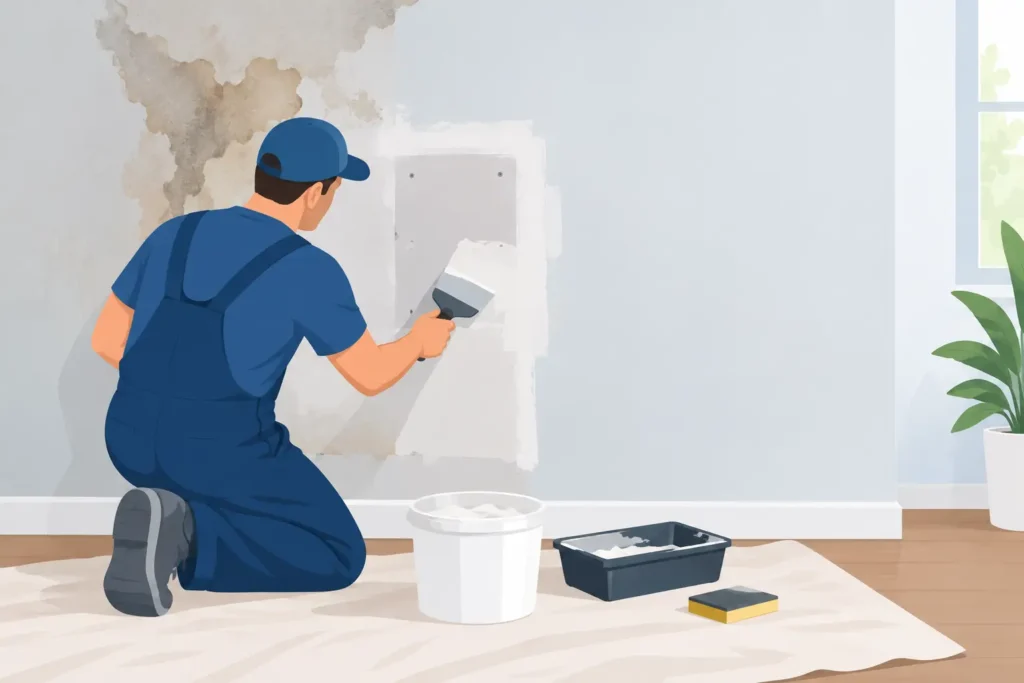
Proper preparation typically includes washing, scraping, sanding, spot repairs, caulking, priming, and protection for landscaping, walkways, windows, and fixtures. The amount of prep depends on the property. A well-maintained home with minor fading needs far less work than a building with years of neglected paint and exposed substrate.
Choose Exterior Paint for Local Weather
Toronto and the GTA experience harsh freeze-thaw cycles, summer heat, rain, snow, and strong ultraviolet exposure. Exterior paint in this climate needs to stay flexible, resist moisture, and hold its color through changing seasons.
Acrylic latex exterior paint is a common choice for many residential surfaces because it dries relatively quickly, has lower odor than traditional oil-based options, and remains flexible. High-quality acrylic products generally provide better color retention and resistance to cracking than lower-grade coatings. They are often a practical choice for siding, trim, and many previously painted surfaces.
Oil-based paints still have specific uses, particularly on certain metal surfaces or where a specialty primer is required. However, they tend to have stronger odor, longer drying times, and more demanding cleanup. The best system may use different products for different parts of the same property: one coating for siding, another for trim, and a specialty primer for rusted metal or water-stained areas.
Do not judge paint only by price per gallon. Higher-grade paint often contains better binders and pigments, which can improve coverage, adhesion, and durability. It may cost more upfront but can reduce the need for premature repainting. That said, premium paint is not automatically the best value if the surface preparation or application conditions are poor.
Pick the Right Sheen for Each Area
Sheen affects appearance, cleanability, and how much surface texture shows. A higher sheen reflects more light and is easier to wipe down, but it can highlight dents, patches, and imperfect preparation.
Flat or matte finishes are often used on siding, stucco, and masonry because they hide small surface irregularities well. Their trade-off is that they can be harder to clean than shinier finishes. Low-luster or satin finishes offer a little more washability and a subtle sheen without being overly reflective.
Trim, shutters, fascia, and doors often benefit from satin or semi-gloss paint. These finishes give architectural details a cleaner, sharper look and stand up well to handling and routine washing. Semi-gloss is a strong choice for front doors and painted trim, but it will show every sanding mark or repair if preparation is rushed.
Using one sheen across the whole exterior can work for simple properties, but it may make trim look flat or siding look too shiny. A coordinated combination usually produces a more professional result: lower sheen on large wall areas and a more durable sheen on details that receive more wear.
Choose Color With the Property and Maintenance in Mind
Color should complement the roof, masonry, hardscaping, neighboring properties, and fixed features that are not being replaced. Test large samples on different sides of the building. Paint changes dramatically between morning shade, direct afternoon sun, and cloudy conditions.
Light colors generally reflect more heat and can make a property look larger or cleaner. Dark colors create contrast and can give a home a more modern look, but they may fade faster in direct sun and show dust, pollen, and surface imperfections more readily. Deep blues, blacks, reds, and intense accent colors often require additional coats for even coverage.
For rental, commercial, or condo properties, neutral and durable color schemes are often the safer investment. They appeal to more people, make future touch-ups easier, and support a maintained, professional appearance. A bold front door or carefully chosen trim color can add character without committing the entire building to a high-maintenance palette.
If the property is subject to condo rules, heritage requirements, or commercial brand standards, confirm approved colors before ordering materials. This avoids delays and the expense of repainting a finished area.
Do Not Ignore Primer, Caulk, and Application Conditions
Primer is not always needed over a stable, compatible painted surface, but it is essential in many situations. Bare wood, patched areas, raw metal, masonry repairs, tannin-prone wood, stains, and major color changes often need a suitable primer. The primer must be compatible with both the substrate and the finish coat.
Caulk is equally important around trim, penetrations, windows, and doors. Use a paintable exterior-grade product that remains flexible. Caulk cannot replace damaged wood or fill large moving gaps, and it should not block drainage paths designed into siding or window systems.
Weather during application matters as much as the product selection. Paint needs an appropriate temperature range, dry substrate, and enough time to cure before rain, dew, or freezing conditions. Painting in direct, intense sun can cause lap marks or poor flow. Painting too late in a cool, damp season can slow curing and weaken the finish.
When a Professional Assessment Makes Sense
A small, straightforward repaint may be manageable for an experienced homeowner. Larger homes, multi-story elevations, stucco repairs, extensive peeling, commercial buildings, and properties with access challenges are different. They require proper equipment, detailed preparation, safe work practices, and a clear scope of work.
JXF Painting Service evaluates the surface condition, repair needs, coating type, color plan, and access requirements before work begins. That approach helps homeowners and property managers avoid a common mistake: paying for a fresh coat when the exterior actually needs repair, priming, or moisture correction first.
The best exterior paint is the one that suits the surface, survives the weather, and is applied over a properly prepared substrate. Take the time to test colors, address damage honestly, and select a coating system built for the job. Your exterior will look better now and stay protected longer.